The Langtang Valley Trek is one of Nepal’s most scenic and culturally rich hiking experiences. Nestled between the Himalayas, this trek offers breathtaking mountain views, lush forests, and a glimpse into the traditional Tamang and Sherpa cultures. Unlike more crowded trails like Everest or Annapurna, Langtang remains relatively untouched, making it perfect for trekkers seeking solitude and natural beauty.
Why Choose the Langtang Valley Trek?
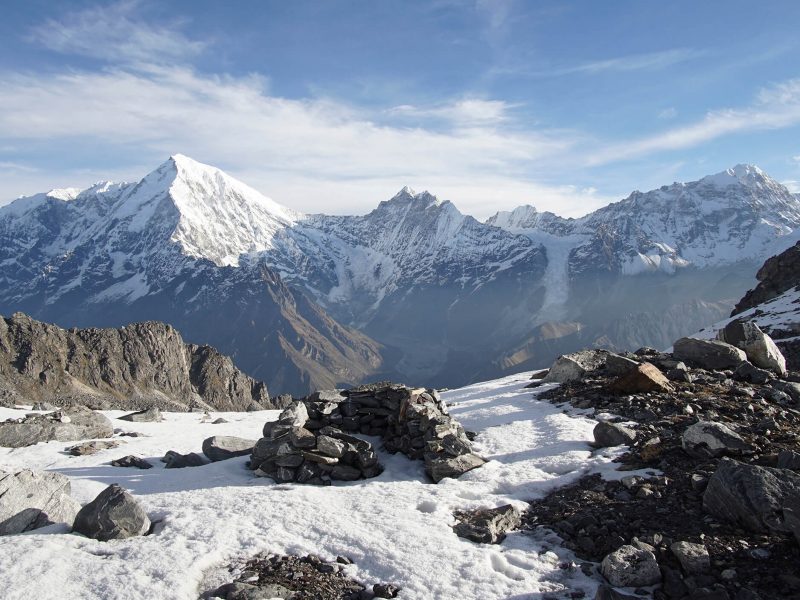
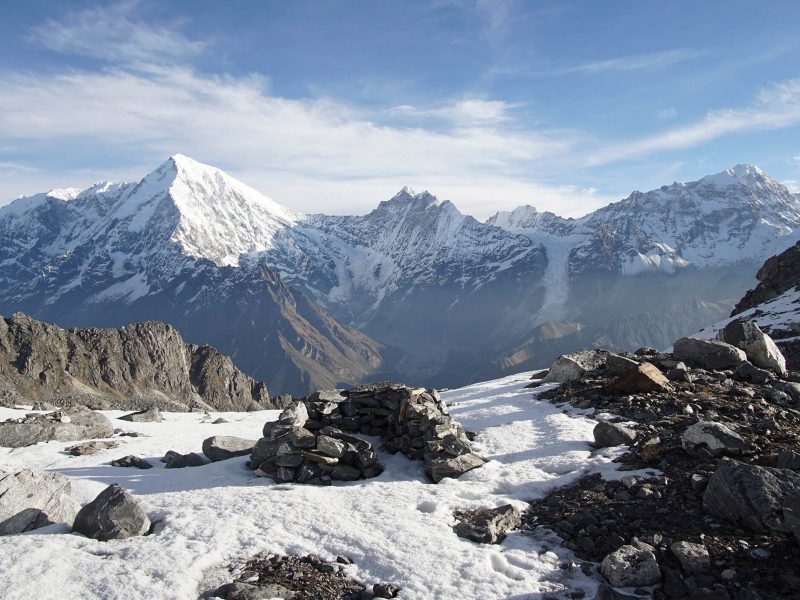
The Langtang Valley Trek is one of Nepal’s most rewarding yet underrated trekking destinations. Nestled between the towering Himalayas and lush forests, this trek offers a perfect mix of breathtaking scenery, rich cultural encounters, and a peaceful atmosphere away from the crowds of more popular routes like Everest and Annapurna. The valley, often called the “Valley of Glaciers,” provides awe-inspiring views of Langtang Lirung (7,227m), Ganesh Himal, and other snow-capped peaks. The trail takes trekkers through diverse landscapes—from dense rhododendron and bamboo forests to high alpine meadows and glacial moraines—making every day of the journey visually captivating.
Another major highlight of the Langtang trek is its cultural richness. The region is primarily inhabited by Tamang and Sherpa communities, whose traditions, architecture, and Buddhist heritage are deeply woven into daily life. As you walk through villages like Langtang and Kyanjin Gompa, you’ll encounter intricately carved mani walls, spinning prayer wheels, and ancient monasteries, offering a glimpse into the spiritual and communal life of the locals. The warm hospitality of the people, combined with their resilience (especially after rebuilding from the 2015 earthquake), adds a deeply human element to the trek.
Unlike the heavily trafficked Everest and Annapurna routes, Langtang remains less crowded, providing a more serene and intimate trekking experience. This makes it ideal for those seeking solitude amidst nature. Additionally, its proximity to Kathmandu (just a 6-7 hour drive to the trailhead at Syabrubesi) makes it a great option for trekkers with limited time who still want an authentic Himalayan adventure.
Best Time to Trek Langtang Valley
The best seasons for the Langtang Valley Trek are spring (March to May) and autumn (September to November).
- Spring brings mild temperatures, clear skies, and vibrant rhododendron blooms, painting the hillsides in shades of red and pink. The days are pleasant for trekking, and the mountain views are spectacular.
- Autumn is equally stunning, with stable weather, crisp air, and unobstructed Himalayan panoramas. This season is particularly popular due to the post-monsoon freshness and ideal trekking conditions.
Winter (December to February) is possible but challenging due to cold temperatures and occasional snowfall, especially at higher elevations. However, the trails are quieter, and the snow-covered landscapes are magical for those prepared for the cold.
The monsoon season (June to August) is generally not recommended due to heavy rainfall, which can trigger landslides and make trails slippery. Cloud cover also obscures mountain views, reducing the trek’s scenic appeal.
Difficulty Level & Fitness Requirements
The Langtang Valley Trek is rated as moderate in difficulty. While it doesn’t require technical climbing skills, trekkers should have a reasonable level of fitness to handle daily walks of 5-7 hours, often involving steep ascents and descents. The trail reaches its highest point at Kyanjin Ri (4,773m) or Tserko Ri (5,000m), where altitude can cause mild symptoms of Acute Mountain Sickness (AMS). Proper acclimatization, hydration, and a steady pace are essential.
Beginners with good stamina can complete the trek, but prior hiking experience and cardiovascular training (such as walking, jogging, or stair climbing) will make the journey more enjoyable. Carrying a light backpack and using trekking poles can help reduce strain on knees during descents.
Permits Required
To trek in Langtang, you need two permits:
- Langtang National Park Entry Permit – Can be obtained in Kathmandu or at the park entrance.
- TIMS (Trekkers’ Information Management System) Card – Required for all trekkers in Nepal for safety and tracking purposes.
These permits help support conservation efforts and local infrastructure, ensuring the sustainability of the region.
Accommodation & Food
Accommodation along the Langtang route consists of basic teahouses—family-run lodges offering shared rooms with twin beds and communal dining areas. While facilities are simpler than in more commercialized trekking regions, they provide warmth, shelter, and a chance to connect with fellow trekkers.
Food options include Nepali staples like dal bhat (rice with lentils and vegetables), as well as noodles, soups, momos (dumplings), and Tibetan bread. Many teahouses also serve Western dishes like pasta, pancakes, and porridge. A unique treat in Kyanjin Gompa is the local yak cheese, produced at a small cheese factory established with Swiss support in the 1950s.
Highlights of the Langtang Valley Trek
- Kyanjin Gompa – A picturesque village surrounded by glaciers and peaks, home to an ancient monastery.
- Langtang Village – Rebuilt after the 2015 earthquake, symbolizing the resilience of the local community.
- Kyanjin Ri & Tserko Ri – Short but steep hikes offering panoramic views of the Langtang Himalayas.
- Wildlife Spotting – The Langtang National Park is home to red pandas, Himalayan black bears, and various bird species.
- Cultural Encounters – Visiting monasteries, spinning prayer wheels, and interacting with Tamang and Sherpa families.
Packing List Essentials
- Clothing: Moisture-wicking base layers, insulated jacket, waterproof shell, trekking pants, warm hat, and gloves.
- Footwear: Sturdy, broken-in hiking boots and thick woolen socks.
- Gear: Backpack (30-50L), trekking poles, reusable water bottle, sunglasses, and sunscreen.
- Essentials: First aid kit, toiletries, headlamp, portable charger, and camera.
Final Thoughts
The Langtang Valley Trek is a perfect blend of adventure, culture, and natural beauty. Whether you’re a solo traveler seeking solitude, a nature lover eager to explore diverse landscapes, or a culture enthusiast wanting to experience Himalayan traditions, this trek delivers an unforgettable journey. With its accessibility from Kathmandu, breathtaking scenery, and warm local hospitality, Langtang remains a hidden gem waiting to be discovered.