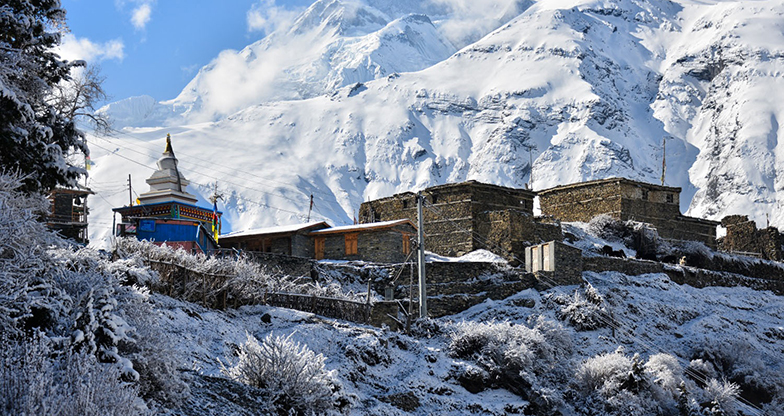
The Nar Phu Valley Trek 12 days is a hidden Himalayan adventure that takes you into one of Nepal’s most remote and culturally rich regions. Nestled between the Annapurna and Manaslu ranges, Nar and Phu are two untouched villages that showcase the authentic Tibetan-influenced lifestyle, centuries-old monasteries, and breathtaking mountain landscapes. This trek is perfect for those seeking an off-the-beaten-path experience, far away from the crowded trails of the Annapurna Circuit.
Starting with a cultural tour of UNESCO World Heritage Sites in Kathmandu, the journey leads you through scenic drives, rugged trails, and traditional settlements. As you trek from Koto to Meta and further into Phu Valley, you are welcomed by dramatic cliffs, ancient chortens, and picturesque stone villages. The exploration day in Phu allows trekkers to visit the famous Tashi Lhakhang Monastery and soak in views of Himlung Himal and surrounding peaks.
Continuing the trail, the route descends to Nar Phedi Monastery, offering a unique overnight stay experience, before reaching Nar Village, another authentic Himalayan settlement. The highlight of the trek is crossing the challenging Kang La Pass (5,240 m), which rewards you with breathtaking panoramic views of Annapurna II, Tilicho Peak, and Gangapurna. The descent to Ngawal and Pisang gradually reconnects you to the Annapurna region before driving back to Kathmandu.
Throughout the trek, you will enjoy comfortable accommodation in local teahouses and monasteries, along with freshly prepared meals that include breakfast, lunch, and dinner. The itinerary is well-designed to allow for proper acclimatization, cultural exploration, and high Himalayan adventure within 12 days.
The Nar Phu Valley Trek is ideal for trekkers looking for a combination of culture, wilderness, and adventure in Nepal. With fewer crowds, unique villages, and spectacular landscapes, this trek offers an authentic Himalayan journey that is both challenging and rewarding. Female Guide Holiday ensures safe guidance, proper acclimatization, and cultural insights, making your trek a truly memorable experience.
Mountain Views During the Nar Phu Valley Trek
The Nar Phu Valley Trek offers some of the most striking Himalayan views in the Annapurna region. As you move through deep gorges, remote valleys, and high passes, the snowcapped giants of Nepal reveal themselves from different angles.
- Annapurna II (7,937 m) – Majestic and dominant, seen especially from Kang La Pass and Ngawal.
- Gangapurna (7,455 m) – Towering beautifully above the Annapurna range, visible after crossing the high pass.
- Tilicho Peak (7,134 m) – Stunning snow peak near the world’s highest lake, clearly seen from Kang La.
- Himlung Himal (7,126 m) – The pride of Phu Valley, standing tall and close to the village.
- Pokarkang (6,145 m) – A striking mountain that rises above the Phu Valley region.
- Kangaru Himal (6,981 m) – A rugged peak that can be admired on the way to Meta.
- Manaslu range (8,163 m, visible in distance) – Appearing along the drive and early trek sections.
Along the way, you will also enjoy views of countless unnamed peaks, ridgelines, and glaciers that add to the dramatic beauty of the Nar Phu Valley. The crossing of Kang La Pass (5,240 m) is the highlight, offering a sweeping panorama of the Annapurna massif and surrounding peaks that leaves trekkers speechless.
Best Time to Visit
The Nar Phu Valley Trek can technically be done year-round, but the best time to visit is during the spring (March to May) and autumn (September to November) seasons. These months provide the most favorable weather, clear skies, and excellent trekking conditions.
- Spring (March – May):
Spring is one of the most popular times to trek in the Nar Phu Valley. The weather is relatively warm at lower elevations, while the higher trails remain cool and pleasant. The valleys come alive with blooming rhododendrons, wildflowers, and lush greenery. Mountain views of Annapurna II, Tilicho Peak, Gangapurna, and Himlung Himal are exceptionally clear. This is also a great time to experience local festivals and cultural events in the villages. - Autumn (September – November):
Autumn is considered the best season for the Nar Phu Valley Trek. After the monsoon rains, the air is crisp and fresh, with excellent visibility. The skies remain clear, offering spectacular panoramic views of the Himalayas throughout the trek. Daytime temperatures are comfortable for trekking, while nights at higher altitudes are cool but manageable. The trails are dry, making high passes like Kang La (5,240 m) safer to cross. - Winter (December – February):
Winter brings cold weather and heavy snowfall in the higher sections of the trek. While the trails are quiet and the scenery is beautiful, crossing Kang La Pass can be extremely challenging or even impossible due to snow. Only very experienced trekkers with proper gear should attempt this trek in winter. - Monsoon (June – August):
The summer monsoon season is the least recommended time to trek in Nar Phu Valley. Heavy rainfall makes the trails slippery and landslides are common. Clouds often block mountain views, and the leeches at lower elevations can be a nuisance. However, the region becomes very lush and green, making it appealing for those who prefer solitude and don’t mind unpredictable weather.
Recommended Seasons
For the best experience, spring (March–May) and autumn (September–November) are the most recommended times to trek the Nar Phu Valley. These seasons combine clear skies, safe trekking conditions, and comfortable temperatures, ensuring that you get the most out of this hidden Himalayan journey.
What to Expect on the Nar Phu Valley Trek
The Nar Phu Valley Trek is a rewarding journey into one of Nepal’s most remote and culturally rich Himalayan regions. Unlike the busy trails of Everest or Annapurna, this trek takes you into hidden valleys where traditions, landscapes, and lifestyles have remained unchanged for centuries. Here’s what you can expect during the 12-day Nar Phu Valley adventure:
1. Off-the-Beaten-Path Experience
The Nar Phu Valley is less traveled compared to other popular trekking regions, which means fewer crowds and a more authentic experience. Expect quiet trails, raw Himalayan landscapes, and intimate encounters with local culture.
2. Unique Cultural Encounters
The trek passes through the ancient villages of Nar and Phu, where people still follow Tibetan-influenced traditions. You’ll visit monasteries, chortens, and mani walls, interact with local villagers, and even spend a night at Nar Phedi Monastery, making the journey as much cultural as it is adventurous.
3. Breathtaking Mountain Views
Expect to witness incredible panoramas of Annapurna II, Gangapurna, Tilicho Peak, Himlung Himal, Kangaru Himal, and Pokarkang. The highlight is crossing Kang La Pass (5,240 m), where the views of the Annapurna range are truly unforgettable.
4. Challenging Yet Rewarding Trek
This is a moderate to strenuous trek that requires good physical fitness. Daily walks range from 5 to 8 hours, with steep ascents and descents. The high altitude and the crossing of Kang La Pass make the trek challenging, but the rewards of pristine landscapes and cultural immersion make it worthwhile.
5. Comfortable Teahouse Accommodation
Accommodation during the trek is in traditional teahouses run by local families. While facilities are basic, they provide warmth, hospitality, and authentic mountain meals. The unique overnight at Nar Phedi Monastery is a highlight, offering an unforgettable cultural stay.
6. Full Board Meals on the Trek
Expect to enjoy three meals a day – breakfast, lunch, and dinner – throughout the trek. Meals usually consist of traditional Nepali, Tibetan, and simple international dishes, freshly prepared at the teahouses.
7. Adventure and Serenity Combined
The Nar Phu Valley trek is not only about high passes and mountain views but also about experiencing peace and serenity in remote Himalayan landscapes. With fewer trekkers around, you can truly connect with nature and local life.
Difficulty Level
The Nar Phu Valley Trek is graded as moderate to strenuous, mainly because of its high altitude, rugged terrain, and long trekking days. The most challenging part is crossing Kang La Pass (5,240 m), which involves steep ascents and descents. Although the trek does not require technical climbing skills, it demands stamina, determination, and some prior trekking experience in the Himalayas. Trekkers should be comfortable walking 5 to 8 hours per day over rocky trails, steep ridges, and occasional high-altitude conditions.
Physical Fitness and Requirements
Good physical fitness is essential for this trek. We recommend regular cardio exercises like running, cycling, or swimming before the trip to build stamina. Strength training for legs and core muscles is also helpful. Trekkers should be able to carry a light daypack and walk several days in a row. While you don’t need to be an athlete, having a positive mindset and preparation helps a lot. Female Guide Holiday also advises trekkers to check with their doctor before traveling, especially if they have any pre-existing health conditions.
Acclimatization
Since the trek reaches over 5,000 meters, proper acclimatization is very important. The itinerary includes an exploration and acclimatization day in Phu (4,080 m) to help your body adjust to the altitude. Walking slowly, staying hydrated, and avoiding alcohol during the trek are essential. Our guides from Female Guide Holiday are trained in altitude awareness and will monitor your health regularly. If symptoms of Altitude Mountain Sickness (AMS) appear, they will provide guidance and take appropriate action.
Transportation
Transportation for the Nar Phu Valley Trek includes both long drives and local transfers. The standard package uses tourist buses and local jeeps to reach the starting and ending points of the trek. However, for added comfort, Female Guide Holiday can arrange private vehicles upon request at an additional cost. The road journey itself is scenic, passing through hills, terraced fields, rivers, and small mountain villages.
Accommodation
During the trek, accommodation is mostly in local teahouses and guesthouses. These teahouses provide simple yet cozy rooms, usually with twin-sharing beds, blankets, and basic furniture. In Phu and Nar villages, trekkers get a close experience of traditional lifestyle through local hospitality. A special highlight is the overnight stay at Nar Phedi Monastery, where you will share meals and rooms with monks, making it a truly cultural experience. In Kathmandu, accommodation is in a comfortable tourist-standard hotel.
Meals
All meals are included during the trek. You will be served breakfast, lunch, and dinner daily at the teahouses. Meals usually consist of traditional Nepali dishes such as dal bhat (rice, lentils, and vegetables), Tibetan bread, momos (dumplings), noodle soup, and some Western options like pasta or pancakes depending on availability. At Nar Phedi Monastery, you will enjoy simple but hearty meals prepared by monks. In Kathmandu, only breakfast is included, giving you the chance to explore different restaurants for lunch and dinner.
Drinking Water
Safe drinking water is essential in the Himalayas. Bottled water is available in teahouses, but it can be expensive and creates plastic waste. Female Guide Holiday encourages trekkers to carry a reusable water bottle and use water purification tablets or filters. Boiled water is also available in most teahouses for a small fee. Staying hydrated is very important, especially at higher altitudes.
Wi-Fi and Electricity
Wi-Fi is available at some teahouses along the Nar Phu Valley trail, but the connection is often slow and unreliable due to the remote location. Electricity is available in most villages for charging phones and cameras, usually powered by solar or small hydro stations. Teahouses may charge a small fee for charging devices. It’s a good idea to carry a power bank or solar charger for convenience.
Guide and Porter Support
Trekking with a knowledgeable guide makes the journey safe and culturally enriching. Female Guide Holiday provides licensed and experienced trekking guides who are familiar with the Nar Phu Valley routes, culture, and safety protocols. They also act as translators, helping you connect with local villagers. For carrying luggage, we arrange 1 porter for every 2 trekkers, which keeps the workload balanced and ensures your comfort. Porters will carry up to 20–25 kg of luggage, while trekkers carry only a light daypack.
Safety and Security
Your safety is the top priority of Female Guide Holiday. Our guides carry a first-aid kit, are trained in emergency response, and constantly monitor trekkers for altitude-related symptoms. We ensure safe food practices at teahouses and use reliable accommodation partners. The Nar Phu region is considered safe, with warm hospitality from locals. However, trekkers should still keep valuables secure and follow the guide’s instructions at all times.
Travel Insurance
Travel insurance is mandatory for the Nar Phu Valley Trek. Your insurance must cover high-altitude trekking (up to 6,000 m), medical emergencies, evacuation by helicopter, and trip cancellations. Female Guide Holiday requires trekkers to provide insurance details before starting the trek. Having comprehensive insurance ensures peace of mind and quick support in case of emergencies.
Passport and Visa
To trek in Nepal, you must carry a valid passport with at least six months’ validity. A Nepal tourist visa can be obtained on arrival at Tribhuvan International Airport in Kathmandu or from Nepalese embassies/consulates abroad. The visa fee varies depending on the duration of stay (15, 30, or 90 days). Always carry a few passport-sized photos for permits and documents.
TIMS Card and Trekking Permits
The Nar Phu Valley is a restricted area, so you need special permits to enter. Female Guide Holiday will arrange all required permits on your behalf. These include:
- Restricted Area Permit (RAP) for Nar and Phu Valleys
- Annapurna Conservation Area Permit (ACAP)
- TIMS (Trekkers Information Management System) card
These permits help with conservation, safety monitoring, and controlled access to the region. Carrying these documents is mandatory and will be checked at several points during the trek.
Why is Nar Phu Valley a Restricted Area?
Nar Phu Valley is a hidden gem located near the border of Tibet, rich in cultural heritage and historical significance. Due to its proximity to the international border, delicate ecosystem, and unique local culture, the Nepalese government has designated it as a restricted area. Only a limited number of visitors—around 400 per year—are allowed to enter. This restriction ensures border security, preserves the valley’s cultural traditions, and protects its fragile environment. Trekkers need a special government permit to explore Nar Phu Valley, supporting sustainable tourism while safeguarding the unique Himalayan heritage.
Is Hiring a Guide Necessary?
Yes, hiring a licensed guide is essential for trekking Nar Phu Valley. As a restricted area, the permit process can be complex and time-consuming, and a guide or registered trekking agency like Female Guide Holiday helps manage all paperwork efficiently.
Beyond permits, the terrain includes rugged trails, river crossings, and challenging mountain sections, which pose risks such as Acute Mountain Sickness (AMS). Guides provide local knowledge, navigation assistance, safety monitoring, and medical support if needed. Hiring a guide not only ensures safety but also enriches your experience with insights into local culture, traditions, and Himalayan history.
Crossing Kang La Pass
The Nar Phu Valley Trek offers an exhilarating challenge with its physically demanding terrain, featuring steep climbs and descents. One of the highlights is crossing the Kang La Pass, a high mountain pass situated at 5,322 meters (17,460 ft) above sea level. This section adds an extra layer of adventure and requires careful attention to altitude, as the risk of Acute Mountain Sickness (AMS) is significant.
Over the course of the 12-day trek, trekkers ascend to elevations exceeding 5,000 meters, putting both stamina and endurance to the test. Proper acclimatization is essential to ensure your body is prepared for the higher altitudes, allowing you to safely continue the journey. Despite the physical challenges, reaching the summit of Kang La Pass rewards trekkers with breathtaking panoramic views of the surrounding Himalayan peaks, making every step of the demanding climb worthwhile.
Trekking Gears and Essential Packing List
For a safe and comfortable experience during the Nar Phu Valley Trek, it is important to carry the right trekking gear and essential items. Proper preparation ensures you can handle varying weather conditions, high altitudes, and remote trekking areas.
1. Clothing:
- Waterproof and windproof jacket and pants
- Fleece jacket or insulated down jacket for warmth
- Thermal base layers for both top and bottom
- Quick-dry trekking shirts and trousers
- Trekking socks (wool or synthetic)
- Warm hat, gloves, and scarf/buff
- Lightweight trekking shoes for lower altitudes and sturdy mountaineering boots for higher passes
- Sandals or flip-flops for evenings in lodges
2. Backpacks and Bags:
- Daypack (25–35 liters) for daily essentials
- Duffle bag or main trekking bag (Female Guide Holiday provides porter support)
- Rain cover for backpacks
3. Sleeping and Camping Essentials:
- Sleeping bag suitable for sub-zero temperatures (Female Guide Holiday provides this for trekkers via porters)
- Sleeping mat (optional, for extra comfort)
4. Accessories and Essentials:
- Trekking poles for stability on steep terrain
- Sunglasses with UV protection
- Headlamp or flashlight with extra batteries
- Water bottles or hydration system (at least 2 liters capacity)
- Personal toiletries (toothbrush, toothpaste, biodegradable soap, wet wipes)
- Sunscreen and lip balm with high SPF
- Personal medications and a small first aid kit
5. Electronics and Miscellaneous:
- Mobile phone and power bank
- Camera and memory cards
- Travel documents, passport, permits, and trekking insurance
- Snacks like energy bars or nuts for trekking days
6. Optional but Recommended Items:
- Lightweight camp towel
- Hand sanitizer
- Notebook or travel journal
- Oximeter for monitoring oxygen levels at high altitude
7. Required Documents:
- Passport with a valid visa for Nepal
- Trekking permits including Restricted Area Permit for Nar Phu Valley and Annapurna Conservation Area Project (ACAP) Permit
- Trekkers’ Information Management System (TIMS) card
- Travel insurance documents covering trekking and high-altitude activities
- Copies of personal ID, emergency contacts, and health information
Female Guide Holiday ensures trekkers are provided with essential equipment such as sleeping bags, first aid kits, and porter support to carry heavier items. Proper packing and preparation can make your Nar Phu Valley Trek a safe, enjoyable, and memorable experience.
Items Provided by Female Guide Holiday
- Sleeping Bag: For use during the trek (to be returned after the trip).
- Down Jacket: For warmth during cold nights and high-altitude sections (returnable after the trek).
- Duffel Bag: To store your gear, which will be carried by the porter.
Final Notes
Before starting the Nar Phu Valley Trek, careful preparation—both physical and logistical—is essential for ensuring a safe, enjoyable, and unforgettable journey through one of Nepal’s most remote and culturally rich trekking destinations. This 12-day adventure combines exploration of ancient villages, traditional Tibetan-influenced culture, and breathtaking high-altitude landscapes, including the challenging Kang La Pass at 5,322 meters. The trek covers diverse terrain, from lush mid-hill forests and terraced farmlands to arid high-altitude landscapes, requiring proper planning for both clothing and equipment.
We highly recommend a layered clothing system, including moisture-wicking base layers, insulated jackets, and waterproof shells to adapt to sudden mountain weather changes. Sturdy, well-broken-in trekking boots, comfortable backpacks, and properly fitted gear are essential for safety and comfort throughout the trek.
The Nar Phu Valley Trek is considered moderately to highly challenging due to its sustained elevation gain, long hiking days, high passes, and limited infrastructure. While no technical climbing skills are required, good physical fitness, proper acclimatization, and mental resilience are key to completing the trek successfully.
At Female Guide Holiday, we bring years of experience in organizing safe and memorable trekking adventures across Nepal. Our dedicated team provides full support, including assistance with trekking permits, route guidance, logistics, accommodation arrangements, and emergency support. Whether you are trekking solo, in a group, or with one of our experienced female guides, we are committed to making your journey smooth, enriching, and unforgettable.
We handle the planning so you can fully immerse yourself in the spectacular Himalayan scenery, unique local culture, and personal achievement that the Nar Phu Valley Trek offers.
Cancellation Policy
Cancellation by the Participant
If you need to cancel your booking for the Nar Phu Valley Trek, please inform Female Guide Holiday in writing via email or official letter. The cancellation terms are:
- 60 days or more before departure: 20% of the total trek cost will be retained to cover pre-arranged permits, accommodations, transport, and administrative costs.
- 30 to 59 days before departure: 50% of the total trek cost will be charged.
- Less than 30 days before departure: No refund will be provided; 100% of the trek cost is non-refundable.
These policies reflect advance arrangements including trekking permits, accommodations, transportation, and guide/porter services.
Cancellation by the Organizer
In rare cases, Female Guide Holiday may need to cancel the trek due to extreme weather, natural disasters, political unrest, or other safety concerns. In such instances, participants will have the option of:
- A full refund of all payments made for the trek, or
- Rescheduling the trek for a future available date at no additional cost.
Your safety is our highest priority. We only cancel trips when absolutely necessary and provide alternative solutions whenever possible.
Force Majeure Clause
Female Guide Holiday cannot be held responsible for cancellations, delays, or extra expenses due to force majeure events, including but not limited to:
- Earthquakes, landslides, or floods
- Political unrest, strikes, or border closures
- Epidemics, pandemics, or health emergencies
- Airspace closures, flight delays, or airline cancellations
In these cases, participants are responsible for any additional personal costs such as extra accommodation, changed flights, or insurance claims. We strongly recommend all trekkers obtain comprehensive travel insurance covering trip cancellations, medical emergencies, and force majeure events before joining the trek.
Trip Highlights
- Explore the remote Nar and Phu villages, rich in Tibetan culture and traditions.
- Visit ancient monasteries including the famous Tashi Lhakhang Monastery in Phu.
- Combine cultural immersion, wilderness trekking, and panoramic mountain views in one journey.
- Cross the challenging Kang La Pass (5,240 m) with breathtaking views of Annapurna II, Tilicho Peak, and Gangapurna.
- Enjoy warm hospitality and authentic meals at local teahouses in remote villages.
- Experience an overnight stay at Nar Phedi Monastery, a unique cultural encounter.
- Scenic drive through countryside, rivers, and terraced fields on the way to and from the trailhead.
- Walk through dramatic canyons, chortens, prayer walls, and untouched Himalayan landscapes.