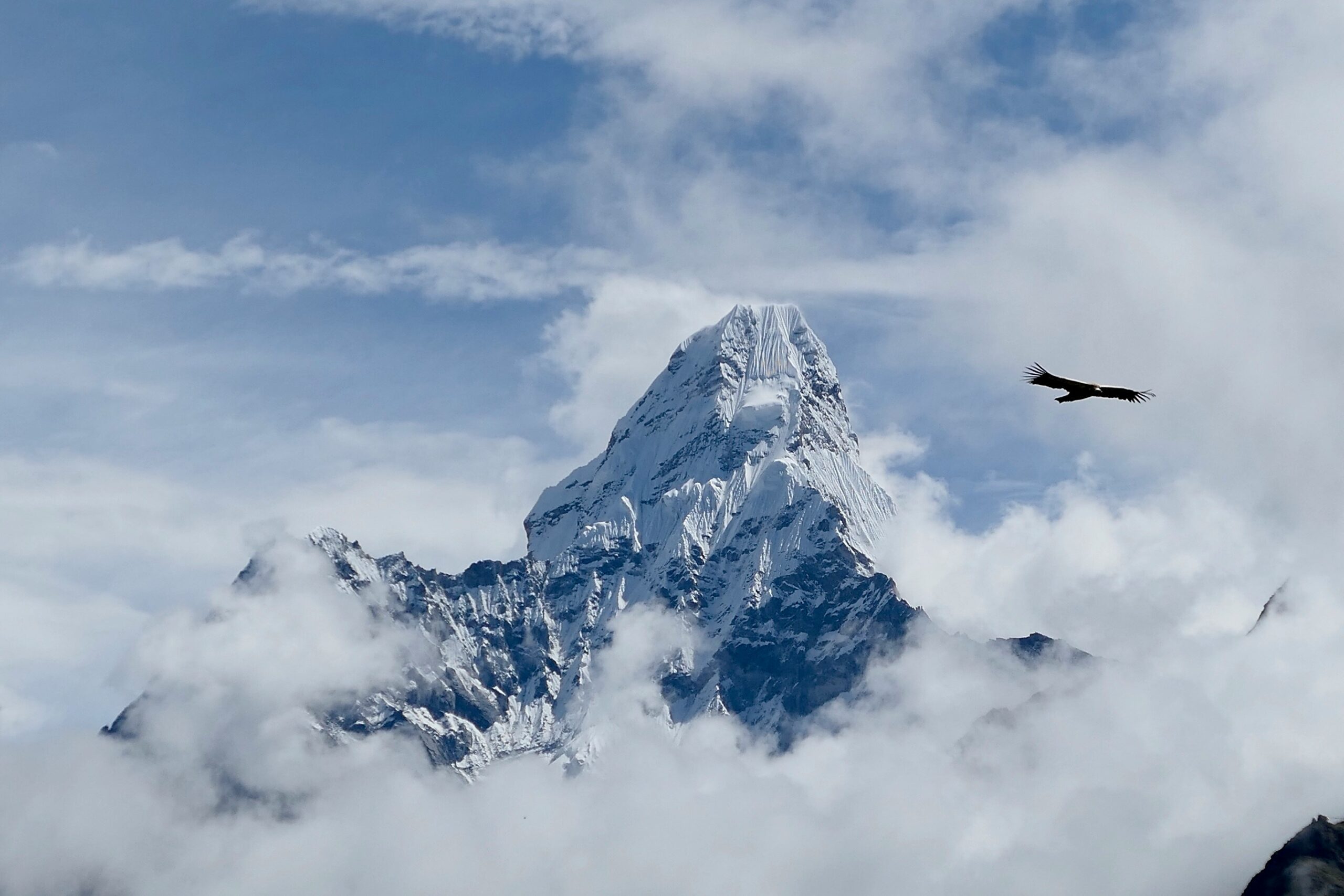
The Ama Dablam Base Camp Trek with Helicopter Return to Kathmandu is one of the most scenic and rewarding short treks in the Everest region. This 9-day journey offers a perfect blend of Himalayan adventure, cultural immersion, and breathtaking mountain scenery — ideal for those who want a taste of the Everest region without committing to the longer and more demanding Everest Base Camp trek.
Ama Dablam, often referred to as the “Matterhorn of the Himalayas,” rises elegantly to 6,812 meters and is celebrated for its distinctive pyramid-shaped peak. This trek takes you to its base camp, offering awe-inspiring views of the Everest range, including Lhotse, Nuptse, and Thamserku. Along the way, you’ll explore picturesque Sherpa villages, centuries-old monasteries, and vibrant mountain landscapes that reflect the spiritual and cultural richness of the Khumbu region.
This itinerary is thoughtfully designed by Female Guide Holiday Pvt. Ltd. to balance adventure, comfort, and cultural experience. The journey begins with a thrilling mountain flight to Lukla — the gateway to Everest — followed by a gradual trek through beautiful valleys and traditional settlements like Namche Bazaar, Khumjung, and Pangboche. The route allows ample time for acclimatization while showcasing the stunning beauty and warm hospitality of the Sherpa people.
The highlight of the trip is reaching Ama Dablam Base Camp, set in a spectacular amphitheater of ice, rock, and alpine meadows. From this viewpoint, trekkers can enjoy magnificent vistas of Everest, Lhotse, Nuptse, and other towering peaks. The adventure concludes in style with a scenic helicopter flight back to Kathmandu, giving you a unique aerial perspective of the world’s highest mountains — a truly unforgettable finale to your Himalayan journey.
Detailed Experience
Your adventure begins with a picturesque flight from Kathmandu to Lukla (2,860 meters), one of the most famous airstrips in the world. The flight itself is an experience, offering incredible aerial views of lush hills and snow-clad peaks. After landing in Lukla, you’ll meet your trekking team and begin your walk through the Dudh Koshi valley, passing small Sherpa villages and terraced farmlands on your way to Phakding.
From Phakding, the trail follows the Dudh Koshi River and ascends gradually through pine forests and suspension bridges until you reach Namche Bazaar, the bustling Sherpa capital. Namche is a vibrant trading hub surrounded by spectacular mountain vistas. Here, you’ll find cozy lodges, shops, cafes, and even a small museum dedicated to the history of mountaineering in the Everest region.
After acclimatizing in Namche, you’ll continue toward Khumjung village, located under the sacred Khumbila peak. This area offers an authentic glimpse into Sherpa culture, with visits to Khumjung and Khunde monasteries, both of which hold deep spiritual significance. You’ll also visit the local school established by Sir Edmund Hillary — a reminder of his enduring legacy in the Khumbu.
Next, the trek leads you through forests of rhododendron and juniper to Pangboche, one of the oldest Sherpa villages in the region. The Pangboche Monastery, believed to be over 300 years old, stands as a sacred symbol of Buddhist devotion and traditional architecture. From here, the trail gradually ascends through open alpine meadows toward Ama Dablam Base Camp, offering incredible views of Everest, Lhotse, Nuptse, and Thamserku.
Standing at the foot of Ama Dablam is an awe-inspiring experience — the mountain’s elegance and power captivate every visitor. After taking in the magnificent scenery and enjoying a peaceful moment surrounded by the towering peaks, you’ll board a helicopter for a scenic return flight to Kathmandu. This spectacular flight provides a panoramic view of the Himalayas, revealing the vastness and beauty of the Khumbu region from above — a grand finale to a truly unforgettable trek.
Why Choose the Ama Dablam Base Camp Trek with Female Guide Holiday?
This trek is perfect for travelers who want a high-altitude adventure that combines breathtaking Himalayan views with cultural depth and physical comfort. The inclusion of a helicopter return not only saves time but also offers one of the most scenic experiences in Nepal.
By choosing Female Guide Holiday Pvt. Ltd., you’ll be guided by experienced, licensed, and caring professionals who prioritize your safety, comfort, and overall experience. Our itineraries are thoughtfully designed with proper acclimatization, authentic cultural encounters, and flexible schedules to ensure that your journey is both enjoyable and meaningful.
Best Time to Visit
The Ama Dablam Base Camp Trek can be done throughout most of the year, but the best seasons for the clearest views and most comfortable weather are spring (March to May) and autumn (September to November). During these periods, the skies are generally clear, the trails are dry, and temperatures are moderate, making trekking conditions ideal.
- In spring, the hills bloom with rhododendrons and alpine flowers, and the days are pleasantly warm with crystal-clear views of Ama Dablam, Everest, and surrounding peaks. It’s also a culturally vibrant time in the Khumbu region, as several Buddhist festivals are celebrated during this season.
- The autumn months bring cool air, stable weather, and crisp visibility after the summer monsoon, providing some of the most spectacular mountain panoramas of the year. These are also the most popular trekking months, so you’ll share the trail with other adventurers, adding to the lively mountain atmosphere.
- Winter (December to February) can still be rewarding for experienced trekkers who don’t mind the cold. The trails are quieter, and the snow-covered landscapes are breathtaking, but nights can be freezing. Monsoon season (June to August) brings heavy rainfall, making trails slippery and mountain views less reliable, so trekking during this time is generally not recommended.
Difficulty Level
The Ama Dablam Base Camp Trek is graded as moderate to challenging, suitable for adventurous trekkers with a basic level of fitness and prior hiking experience. The route involves steady ascents and descents, crossing suspension bridges, and walking on rugged terrain for 5 to 7 hours each day. The highest point of the trek, Ama Dablam Base Camp, lies at around 4,700 meters (15,419 feet).
While no technical climbing skills are required, trekkers should be prepared for long days of hiking and high-altitude conditions. The inclusion of a helicopter return makes the experience less physically demanding, as you avoid the multi-day descent. With proper preparation, pacing, and acclimatization, the trek is achievable and highly rewarding for anyone with determination and a love of the mountains.
Physical Fitness and Requirements
A good level of physical fitness, endurance, and preparation is essential to enjoy this trek comfortably. Regular aerobic exercises such as walking, jogging, cycling, or swimming in the months before the trip will help improve stamina. Strength training and hiking practice with a loaded backpack are also recommended to build leg and core strength.
Since the trek takes you to high altitudes, maintaining a slow, steady pace is important. Trekkers should be prepared for variable terrain and changing weather conditions. Prior trekking experience is beneficial but not mandatory. Anyone in good health with the right mindset, training, and guidance from Female Guide Holiday Pvt. Ltd. can successfully complete this journey.
Acclimatization Required
Acclimatization is one of the most important aspects of high-altitude trekking. The Ama Dablam Base Camp Trek gradually ascends to over 4,600 meters, where oxygen levels are significantly lower than at sea level. To adapt safely, our itinerary includes acclimatization stops — particularly in Namche Bazaar — allowing your body to adjust naturally.
During these acclimatization days, light hikes to nearby viewpoints help your body adapt while still keeping you active. Drinking plenty of water, avoiding alcohol, and following your guide’s instructions are key to staying healthy. The carefully designed pacing of Female Guide Holiday Pvt. Ltd. ensures your journey remains safe and enjoyable throughout.
Safety and Security
Your safety is the top priority of Female Guide Holiday Pvt. Ltd.. All our treks are led by experienced, government-licensed guides who are trained in first aid and high-altitude response. The routes we follow are well-established and frequently used by trekkers, ensuring safety and accessibility.
We maintain regular communication with our trekking teams and monitor weather forecasts daily. In case of sudden changes in conditions, we take prompt action to adjust plans for your security. Local communities in the Khumbu region are friendly and welcoming, and the area is known for being one of Nepal’s safest trekking destinations.
Altitude Sickness and Preparation
Altitude sickness, or Acute Mountain Sickness (AMS), can occur above 2,500 meters as oxygen levels drop. Common symptoms include headache, nausea, loss of appetite, and fatigue. To minimize risks, our itinerary allows gradual altitude gain and rest days for proper acclimatization.
You can further reduce the chance of AMS by staying hydrated, eating well, avoiding alcohol, and walking slowly. Medication such as Diamox (acetazolamide) can help some trekkers, but should only be used under medical advice. If symptoms worsen, your guide will act immediately — either by resting at lower altitude or arranging an evacuation if necessary.
Our team at Female Guide Holiday Pvt. Ltd. is fully trained to recognize and handle altitude-related issues promptly and professionally.
Evacuation Process
In case of a serious emergency, such as severe altitude sickness or injury, helicopter evacuation is the fastest and most reliable option in the Everest region. Female Guide Holiday Pvt. Ltd. maintains connections with reputable helicopter operators and rescue teams to ensure rapid response.
All trekkers are required to have travel insurance that covers high-altitude trekking and emergency evacuation. In coordination with your insurance provider, our guides and local contacts manage the evacuation procedure swiftly and efficiently. Your safety and well-being always come first.
WiFi and Electricity
Electricity and WiFi are available in most major villages such as Lukla, Namche Bazaar, and Pangboche, though connections can be slow or unstable in higher areas. Lodges usually provide charging facilities powered by solar panels or generators, often for a small fee.
At higher altitudes and in remote areas, electricity becomes limited, so bringing a power bank or solar charger is recommended. WiFi is strongest in Namche Bazaar but less reliable further up the trail. Female Guide Holiday Pvt. Ltd. also provides one Ncell SIM card with 20GB of data for the group, offering an additional communication option when network coverage allows.
Meals
During the trek, you’ll enjoy three freshly prepared meals per day at local teahouses — breakfast, lunch, and dinner. Meals are simple yet nourishing, designed to provide the energy you need for long days of trekking. Typical dishes include dal bhat (rice with lentil soup and vegetables), noodles, pasta, soups, potatoes, momos (dumplings), and omelets.
Breakfast usually includes tea or coffee, porridge, eggs, and toast. Vegetarian and vegan options are available upon request, and all meals are prepared hygienically using local ingredients. Meals in Kathmandu are served at selected restaurants or hotels, offering a mix of Nepali and international cuisine.
Drinking Water
Clean drinking water is essential for maintaining hydration and preventing altitude sickness. Most teahouses provide boiled or filtered water for refilling bottles. Carrying water purification tablets or a portable filter is recommended to treat water from natural sources along the trail.
Bottled water is available for purchase but should be avoided whenever possible to reduce plastic waste in the mountains. Using an insulated reusable water bottle helps keep your water warm at higher altitudes. Staying hydrated is one of the most effective ways to stay healthy and energized during the trek.
Accommodation
Accommodation during the trek is arranged in local teahouses and guesthouses run by Sherpa families. Rooms are simple but clean, typically with twin-sharing beds, warm blankets, and basic furnishings. Hot showers and WiFi may be available at an extra cost in some villages.
In Kathmandu, your stay will be in a 3-star hotel, offering comfort and convenience before and after your trek. Accommodations are chosen by Female Guide Holiday Pvt. Ltd. based on cleanliness, safety, and friendly service to ensure a pleasant stay throughout your journey.
Travel Insurance
Comprehensive travel insurance is mandatory for the Ama Dablam Base Camp Trek. Your policy must cover high-altitude trekking (up to 6,000 meters) and helicopter evacuation in case of emergency. It should also include coverage for medical treatment, trip cancellation, and lost baggage.
Please provide a copy of your insurance details before starting the trek. In emergencies, our team will coordinate with your insurance provider to ensure immediate evacuation and treatment. Having the right insurance provides peace of mind and ensures full safety coverage during your Himalayan adventure.
Passport and Visa
All international travelers entering Nepal must hold a valid passport with at least six months’ validity from the date of arrival. Tourist visas can be easily obtained on arrival at Tribhuvan International Airport (Kathmandu) or through Nepali embassies abroad.
Visa fees depend on duration — 15, 30, or 90 days — and payment can be made in major currencies. Ensure your visa covers your entire stay, including trekking days. Keep photocopies of your passport and visa separately, as they may be needed for trekking permits or official checks along the route.
Guide and Porter Service
Female Guide Holiday Pvt. Ltd. provides highly experienced, licensed guides and professional porters to ensure your comfort and safety throughout the trek. Our guides are knowledgeable about local culture, geography, and trail conditions, while also trained in first aid and emergency management.
Trekking With a Guide vs. Without a Guide
When trekking to Ama Dablam Base Camp, you have the choice to go with a professional guide or independently without one, but it’s important to understand the differences and what each option means for your experience.
Trekking With a Guide
Trekking with a licensed guide from Female Guide Holiday Pvt. Ltd. ensures safety, cultural insight, and local expertise throughout your journey. Our guides are government-certified, English-speaking, and trained in first aid and altitude response. They manage route navigation, daily logistics, permit formalities, and communication with teahouses, allowing you to fully enjoy the trek without stress.
Guides also serve as your connection to the local culture — sharing stories, translating Sherpa traditions, and helping you understand the mountain environment in depth. In high-altitude conditions, their experience is invaluable for ensuring proper acclimatization and identifying any early signs of altitude sickness.
This option is strongly recommended for all trekkers, especially first-time visitors to the Everest region.
Trekking Without a Guide
While trekking without a guide is possible, it requires prior experience, confidence with route navigation, and strong logistical preparation. You’ll need to handle permits, Lukla flights, accommodations, and emergency coordination on your own. The Ama Dablam region’s terrain can be challenging, and weather conditions may change quickly, so independent trekkers must stay alert and well-prepared.
For solo trekkers, we can still assist with permit processing and pre-trek briefing, even if you prefer to go without a guide. However, as of 2023, Nepal has increased regulations for solo trekking in high-altitude regions, and a licensed guide is often mandatory for obtaining permits.
Therefore, Female Guide Holiday Pvt. Ltd. strongly encourages trekking with a professional guide for safety, cultural enrichment, and stress-free travel.
Trekking With a Porter vs. Without a Porter
Having a porter on your trek can greatly enhance your comfort and endurance, especially at high altitudes where energy conservation is key. However, some trekkers prefer to carry their own load for a more self-supported adventure.
Trekking With a Porter
Choosing to trek with a porter allows you to focus on enjoying the scenery, photography, and local interaction without the burden of carrying heavy bags. Each porter typically carries 15–20 kilograms of equipment for two trekkers. This means you only need to carry a light daypack with your daily essentials such as water, snacks, a camera, and warm layers.
At Female Guide Holiday Pvt. Ltd., we ensure all our porters are well-equipped, fairly compensated, and properly insured. Supporting porters also contributes to the local economy and helps create sustainable jobs in mountain communities.
Trekking Without a Porter
If you prefer a lighter and more independent trekking experience, you can choose to go without a porter and carry your own backpack. This option offers more personal control but requires good physical strength and stamina.
Trekkers choosing this option should pack efficiently, limiting their gear to essentials and keeping their load manageable (ideally under 12 kilograms). Even without a porter, Female Guide Holiday Pvt. Ltd. provides guidance on smart packing and equipment selection to help you stay comfortable throughout the trek.
For every two trekkers, one porter is assigned to carry your main luggage, allowing you to walk freely with just your daypack. Larger groups are supported by assistant guides to maintain personalized attention and coordination. We take pride in employing and empowering local staff, ensuring fair treatment and sustainable tourism practices.
Entry and Permit Fees
Trekking in the Ama Dablam and Everest region requires the following permits:
- Sagarmatha National Park Entry Permit – for entry into the protected Everest area.
- Khumbu Pasang Lhamu Rural Municipality Permit – for trekking within the Khumbu region.
Both permits are arranged by Female Guide Holiday Pvt. Ltd. prior to the trek, ensuring a hassle-free experience. Permit fees contribute directly to environmental conservation and community development in the region.
Lukla Flights and Alternatives
The Ama Dablam Base Camp Trek begins with a flight to Lukla (2,860 meters) — the gateway to the Everest region. The Lukla airport, officially known as Tenzing-Hillary Airport, is one of the most famous mountain airstrips in the world, surrounded by towering Himalayan peaks and deep valleys. Flying to Lukla is both thrilling and scenic, offering stunning views of snow-capped mountains, green hills, and winding rivers below.
Flights from Kathmandu to Lukla
During the off-peak trekking seasons — mainly winter (December–February) and monsoon (June–August) — most flights to Lukla operate directly from Tribhuvan International Airport (TIA) in Kathmandu. The flight takes about 25 to 30 minutes, offering incredible panoramic views of the Himalayas, including Everest, Lhotse, and Gauri Shankar. These flights are generally scheduled for early morning when weather conditions are most favorable.
However, mountain weather can be unpredictable. Fog, wind, or low visibility may occasionally cause delays or cancellations. For this reason, Female Guide Holiday Pvt. Ltd. always recommends keeping one or two buffer days in your travel schedule, especially if you have an international flight after your trek.
Flights from Ramechhap to Lukla (During Peak Season)
During the peak trekking seasons — spring (March to May) and autumn (September to November) — flights to Lukla are often rerouted from Ramechhap Airport (also known as Manthali Airport), located about 130 kilometers east of Kathmandu. This adjustment helps reduce air traffic congestion at Kathmandu’s busy airport.
To catch an early morning flight from Ramechhap, trekkers usually depart from Kathmandu around midnight, taking a 4–5 hour drive to reach the airport. The flights from Ramechhap to Lukla are short (approximately 15–20 minutes) and provide equally beautiful aerial views of the Himalayas.
While it may require an extra transfer, the Ramechhap route offers more reliable flight operations, as weather and air traffic conditions there are generally more stable. Female Guide Holiday Pvt. Ltd. arranges comfortable private or shared vehicles for this journey, ensuring a smooth transition from Kathmandu to Ramechhap.
Helicopter Options for Added Flexibility
For trekkers who prefer greater comfort, flexibility, and an enhanced experience, helicopter transfers are a wonderful alternative. Female Guide Holiday Pvt. Ltd. offers private and group-sharing helicopter flights between Kathmandu and Lukla, or from Ramechhap to Lukla, depending on your schedule and preference.
A helicopter flight from Kathmandu to Lukla takes about 45 minutes, offering an unforgettable aerial perspective of the Himalayan range. This option is especially ideal during high season when regular flights face delays or cancellations due to unpredictable weather.
At the end of the trek, trekkers can also enjoy a scenic helicopter return from Ama Dablam Base Camp to Kathmandu, which is already included in this itinerary. This flight not only saves several days of walking but also provides a spectacular bird’s-eye view of the Everest region — a breathtaking and time-saving way to conclude your adventure.
Overland Alternatives (Trekking from Jiri or Salleri)
For adventurers who want to avoid air travel entirely, an overland trek to Lukla is also possible. Starting points like Jiri or Salleri offer classic routes once taken by early Everest explorers. From Jiri, the trek to Lukla takes about 5–7 extra days, passing through lush forests, terraced farmlands, and traditional mid-hill villages. From Salleri, it takes 3–4 days to reach Lukla.
These routes provide a gradual altitude gain, making acclimatization easier and allowing trekkers to experience the authentic rural beauty of Nepal. Although more time-consuming, they offer an excellent opportunity for cultural immersion and scenic variety.
Important Note on Weather and Delays
Due to Lukla’s high-altitude location and short runway, flights are entirely weather-dependent. Conditions can change rapidly, especially in the morning hours. While our team at Female Guide Holiday Pvt. Ltd. continuously monitors flight updates and coordinates with airlines, we strongly recommend including extra buffer days in your itinerary to avoid missing international connections.
In case of extended delays, we assist our guests with rebooking, ground transport, or helicopter alternatives at an additional cost, ensuring that your trekking schedule remains as smooth and stress-free as possible.
Last Minute Booking
At Female Guide Holiday Pvt. Ltd., we understand that travel plans can come together at the last moment or change unexpectedly. Whether you decide to join the Ama Dablam Base Camp Trek spontaneously or need a quick booking due to your schedule, our team is fully prepared to assist with last-minute reservations.
While we always recommend booking in advance — especially during peak trekking seasons (spring and autumn) when flights and accommodations fill up quickly — we also specialize in handling short-notice bookings efficiently. Our experienced staff can arrange all necessary logistics such as domestic flights, trekking permits, accommodation, and guides within a short timeframe, provided that all required documents (such as a valid passport and travel insurance details) are submitted promptly.
Even for last-minute trekkers, we ensure the same quality service, safety standards, and attention to detail that Female Guide Holiday is known for. If you’re already in Nepal and suddenly inspired to experience the beauty of Ama Dablam and the Everest region, contact our team — we’ll do everything possible to organize your trek swiftly and smoothly.
Online Briefing Before Your Trek
To ensure that every trekker is fully informed and prepared, Female Guide Holiday Pvt. Ltd. provides a comprehensive online pre-trek briefing before the start of your journey. This online orientation session is designed to answer all your questions and help you understand every aspect of the trek before you set foot on the trail.
During the briefing, your assigned trekking guide or trip coordinator will cover important details such as the itinerary, flight arrangements, gear checklist, altitude precautions, safety measures, meal arrangements, and weather expectations. You’ll also receive practical advice on fitness preparation, cultural etiquette, and responsible trekking practices.
The session takes place via an online video call or chat, allowing flexibility for international travelers to join from anywhere in the world. It’s also an excellent opportunity to get to know your guide in advance, build confidence, and ensure that you’re fully ready for the adventure.
Important Note
At Female Guide Holiday Pvt. Ltd., your safety, comfort, and satisfaction are our top priorities. While we always aim to follow the planned itinerary as closely as possible, it’s important to understand that trekking in the Himalayas involves certain unpredictable conditions. Factors such as extreme weather, health issues, flight delays, natural disasters, or unforeseen local circumstances may sometimes require us to make adjustments to the schedule.
In such cases, our professional trekking leader or guide will make the best possible decision for the safety and well-being of the entire group. Any changes will be made in consultation with the trekkers, keeping your experience and security in mind.
The Himalayan environment is naturally dynamic — sudden changes in weather, trail conditions, or logistical challenges can arise at any time. If alterations are necessary, we will always strive to provide equally rewarding alternatives that maintain the essence of the adventure. This flexibility is a vital part of traveling in the mountains and often leads to unique, memorable experiences.
We also request your understanding and cooperation should adjustments become necessary. Our field team is trained to handle all situations professionally and with care, ensuring that your trek continues safely, smoothly, and enjoyably despite any challenges.
Please remember that Female Guide Holiday Pvt. Ltd. reserves the right to cancel, modify, or delay any part of the itinerary if conditions demand it, especially in situations that may compromise safety. We assure you that every decision is made with your best interest at heart.
Gear and Packing List
To ensure a safe and comfortable trekking experience to Ama Dablam Base Camp, it is essential to pack the right gear and clothing suitable for high-altitude mountain conditions. This includes layered clothing for varying temperatures, sturdy trekking boots, waterproof outerwear, and essential trekking equipment such as trekking poles, a headlamp, and a reliable daypack. Proper sun protection, hydration solutions, and a personal first aid kit are also important. The list below covers all necessary items to help you prepare efficiently and enjoy your trek with confidence.
Clothing:
- Waterproof and windproof trekking jacket (Gore-Tex or similar)
- Insulated down jacket (provided during trek, but bring a lightweight one for layering)
- Fleece or soft-shell jacket for warmth
- Thermal base layers (tops and bottoms)
- Trekking pants (preferably quick-dry and convertible)
- Waterproof trekking pants
- Lightweight shirts or T-shirts (moisture-wicking)
- Long-sleeve shirts for sun protection
- Warm hat/beanie for cold weather
- Sun hat or cap for daytime protection
- Gloves (both lightweight and insulated/waterproof)
- Buff or neck gaiter/scarf
- Underwear and trekking socks (preferably wool or synthetic)
- Comfortable trekking boots (broken-in and waterproof)
- Camp shoes or sandals for evenings
- Sleepwear suitable for cold nights
Trekking Equipment:
- Daypack (20–30 liters) for daily essentials
- Duffel bag or large backpack for porter to carry main luggage
- Sleeping bag (provided by company, but you may bring your own rated for -10°C or lower)
- Trekking poles (highly recommended for stability and knee support)
- Headlamp with extra batteries
- Sunglasses with UV protection (preferably polarized)
- Water bottles or hydration bladder (at least 2 liters capacity)
- Water purification tablets or filter
- Personal first aid kit (plasters, painkillers, blister treatment, etc.)
- Toiletries (toothbrush, toothpaste, biodegradable soap, quick-dry towel, toilet paper)
- Sunscreen (high SPF) and lip balm with UV protection
- Insect repellent
- Personal medications and prescriptions
- Camera or smartphone with charger and power bank
- Travel adapter (Nepal uses 230V, plug types C, D, and M)
- Zip-lock bags or dry sacks for waterproofing valuables and electronics
- Snacks (energy bars, nuts, chocolates)
Optional but Useful:
- Lightweight binoculars
- Notebook and pen
- Book or e-reader for downtime
- Cash in small denominations for personal expenses and tips
Final Notes
Before starting your trek, it is important to ensure you are well-prepared both physically and logistically. This 14-day journey offers breathtaking views of Everest, Ama Dablam, and other Himalayan peaks, while allowing you to experience the rich culture of the Sherpa people. The trek is designed for comfort, but a reasonable level of fitness is required as you will be hiking through varied terrain and altitudes up to 3,985 meters.
Pack appropriate gear, including layered clothing and well-broken-in trekking boots, and consult your doctor regarding altitude medications if necessary. Female Guide Holiday’s experienced guides, porters, and support staff are committed to making your experience safe, comfortable, and culturally enriching. With years of trekking expertise, we take care of all logistics so you can fully enjoy your journey through the heart of the Khumbu region.
Cancellation Policy
Cancellation by the Participant
If you cancel your booking, the following fees will apply:
- 60+ days before departure: 20% of total cost retained
- 30–59 days before departure: 50% of total cost charged
- Less than 30 days before departure: No refund (100% of trek cost charged)
These charges cover pre-arranged expenses such as permits, domestic flights, and accommodations.
Cancellation by Female Guide Holiday
In rare cases where Female Guide Holiday must cancel the trek due to unavoidable circumstances such as extreme weather, natural disasters, political unrest, or safety concerns, participants will be offered:
- A full refund of all payments made, or
- The opportunity to reschedule the trek to a future available date at no additional cost
Cancellations are made only when absolutely necessary, and your safety is always our top priority. We ensure transparency and support throughout the process.
Force Majeure Clause
Female Guide Holiday cannot be held liable for any delays, cancellations, or additional costs arising from events beyond our control, including but not limited to:
- Natural disasters (earthquakes, floods, landslides)
- Political unrest, government restrictions, or border closures
- Global health emergencies (pandemics, epidemics)
- Transportation disruptions (flight delays, airspace closures, strikes)
In such cases, any personal expenses incurred—such as additional accommodation, rerouted transportation, or insurance claims—are the responsibility of the participant.
We strongly recommend that all trekkers purchase comprehensive travel insurance before joining the Everest and Sherpa Homeland Trek. This should cover high-altitude trekking, emergency evacuation, trip cancellations, and force majeure events to protect your investment and peace of mind.
Trip Highlights
- Scenic mountain flight from Kathmandu to Lukla, the gateway to the Everest region
- Trek through the stunning Khumbu Valley surrounded by Himalayan peaks
- Explore the vibrant Sherpa capital, Namche Bazaar, and its colorful markets
- Breathtaking photography opportunities throughout the journey
- Visit ancient monasteries such as Tengboche and Pangboche, rich in Buddhist heritage
- Suitable for trekkers seeking high-altitude experience without extreme difficulty
- Enjoy breathtaking views of Everest, Lhotse, Nuptse, and the elegant Ama Dablam peak
- Experience authentic Sherpa culture and hospitality in traditional mountain villages
- Stay in cozy teahouses offering warmth and comfort along the trail
- Ideal combination of trekking adventure and luxurious helicopter return
- Hike to the serene and spectacular Ama Dablam Base Camp at 4,700 meters
- Perfect short trek for those seeking both adventure and cultural immersion
- Enjoy a scenic helicopter flight from Ama Dablam Base Camp back to Kathmandu
- Opportunity to learn about local Buddhist traditions and visit the school built by Sir Edmund Hillary
- Professionally organized by Female Guide Holiday Pvt. Ltd., ensuring safety, comfort, and expert guidance