The Super Everest Comfort Trek – 11 Days is an ideal Himalayan adventure for travelers seeking spectacular mountain views, authentic Sherpa culture, and a comfortable trekking experience in Nepal’s Everest region. Organized by Female Guide Holiday, this 11-day Everest trek combines scenic mountain flights, traditional Sherpa villages, ancient Buddhist monasteries, and breathtaking views of some of the world’s highest peaks.
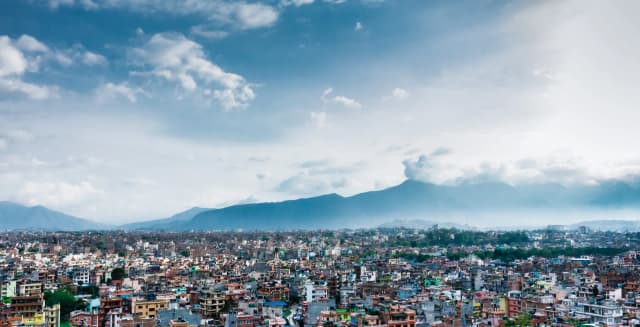
Your journey begins in Kathmandu, where you can explore Nepal’s rich cultural heritage before taking a scenic flight to Lukla, the gateway to the Everest region. From Lukla, follow beautiful mountain trails alongside the Dudh Koshi River to Phakding and continue toward Namche Bazaar, the vibrant Sherpa capital of the Khumbu region. Surrounded by towering Himalayan peaks, Namche Bazaar is an excellent place to experience local traditions, explore mountain markets, and acclimatize to the increasing altitude.
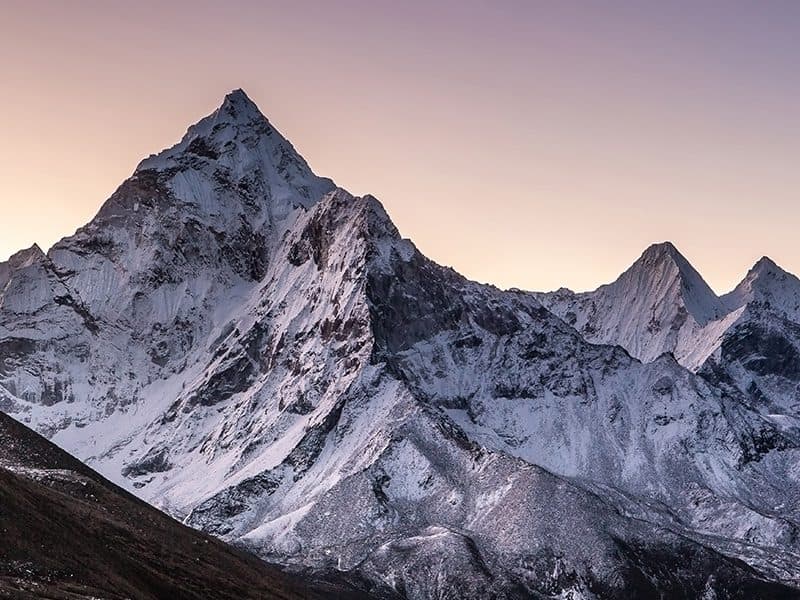
The trek continues with a scenic acclimatization hike to discover the surrounding Himalayan landscapes and traditional Sherpa settlements. Visit Khumjung Village, known for its distinctive stone houses, rich Sherpa heritage, and historic Khumjung Monastery. You will also have opportunities to enjoy magnificent views of Mount Everest, Ama Dablam, Thamserku, and other iconic Himalayan peaks, depending on weather and visibility.
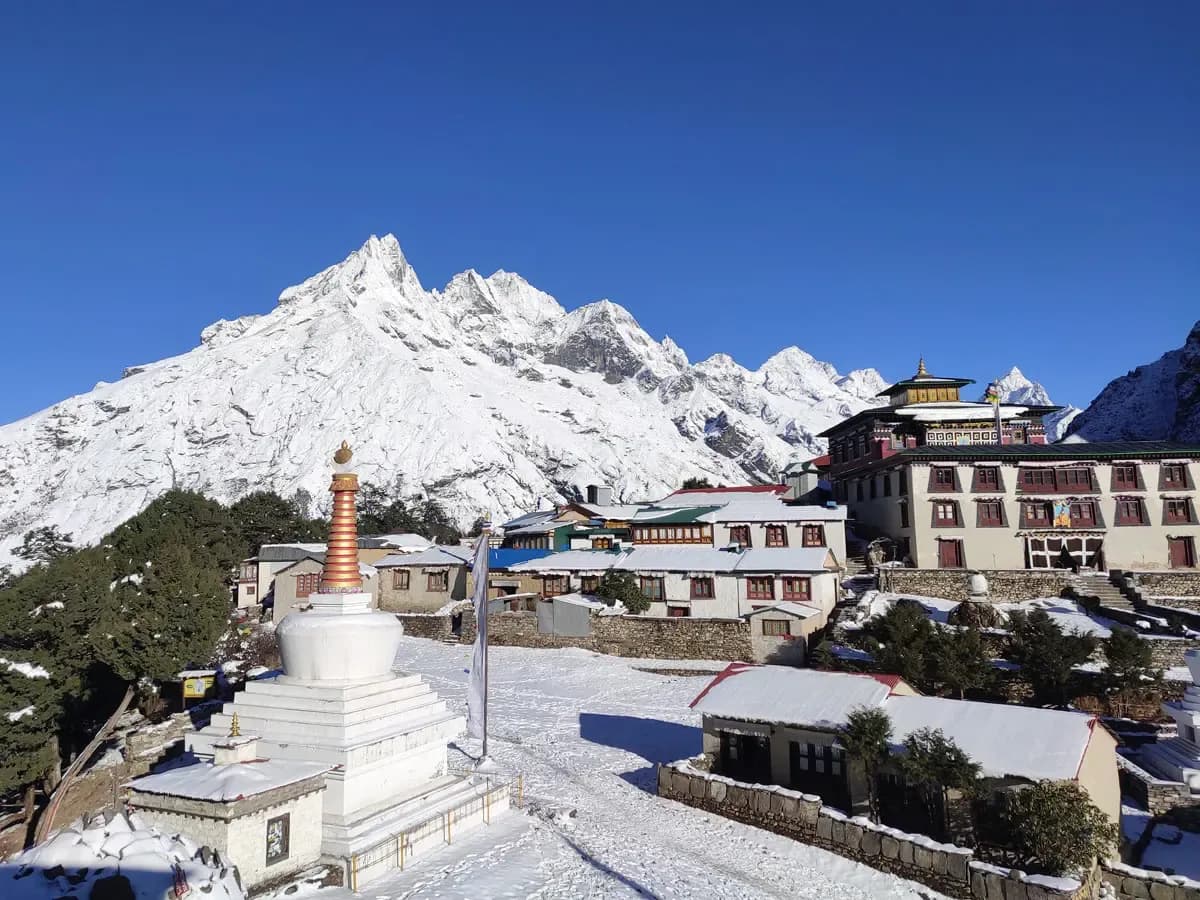
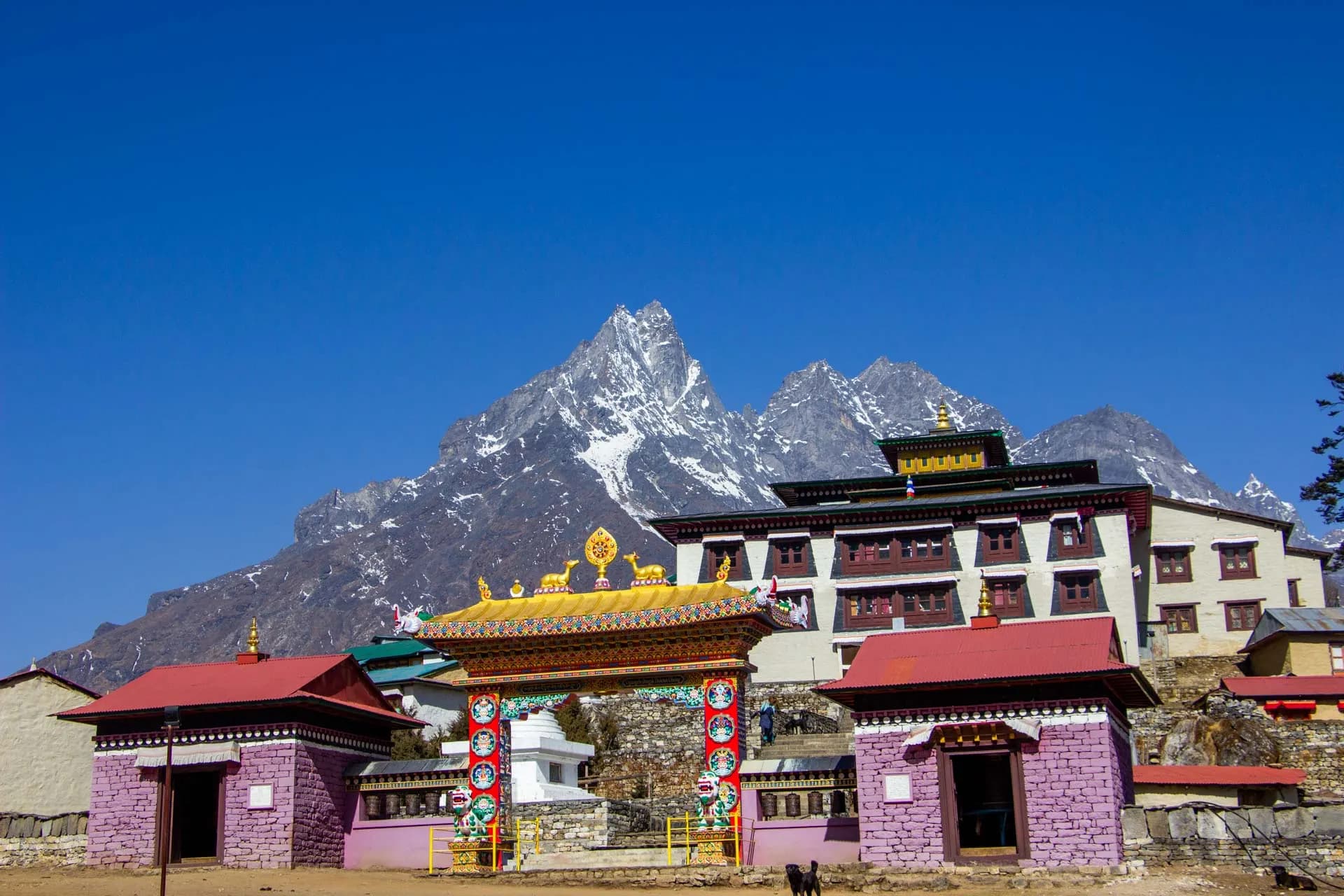
As you trek toward Tengboche, experience the peaceful atmosphere of the Everest region and visit the famous Tengboche Monastery, one of the most important Buddhist monasteries in the Khumbu. Set against a dramatic Himalayan backdrop, this spiritual landmark offers insight into Tibetan Buddhist traditions and the cultural heritage of the Sherpa community.
After exploring the upper Khumbu region, retrace your route through the beautiful mountain villages to Namche Bazaar and Lukla. A scenic flight back to Kathmandu brings your Everest adventure to a memorable conclusion.
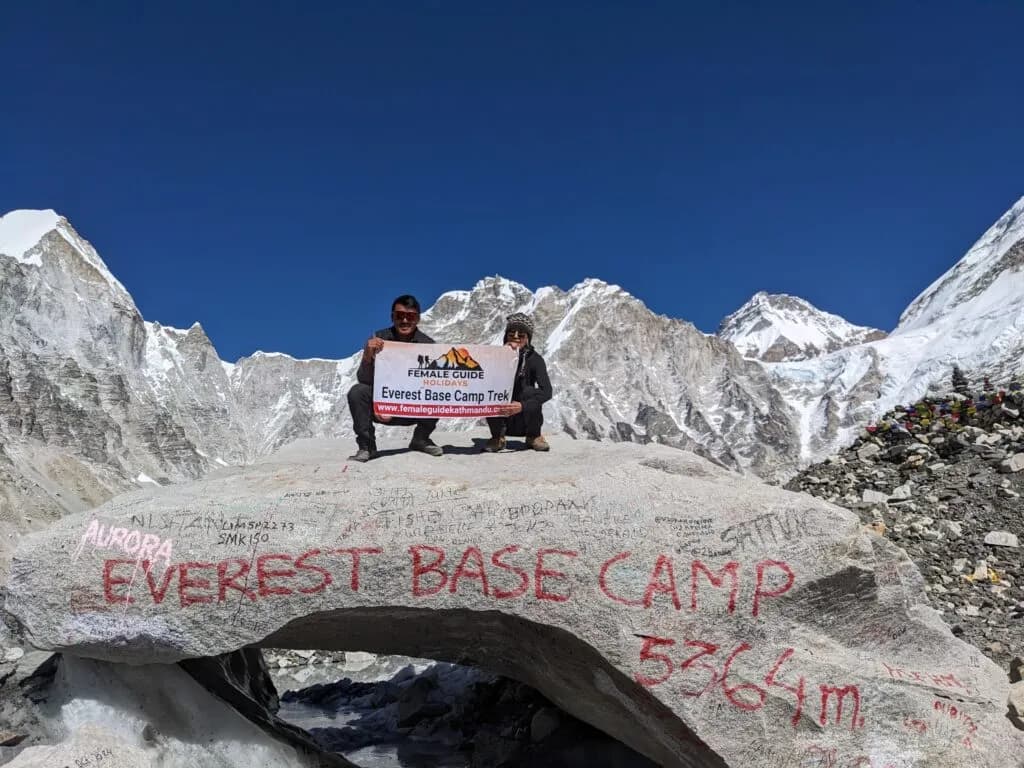
The Super Everest Comfort Trek is a wonderful choice for travelers who want to experience the beauty of the Everest region without trekking all the way to Everest Base Camp. With impressive mountain scenery, cultural encounters, monastery visits, and a carefully planned itinerary, this journey offers a rewarding Himalayan experience. Join Female Guide Holiday for an unforgettable 11-day Everest trekking adventure filled with natural beauty, cultural discovery, and lasting memories.
Best Time to Visit
The best time for the Super Everest Comfort Trek is during spring (March to May) and autumn (September to November). These seasons generally offer favorable trekking conditions, pleasant daytime temperatures at lower elevations, and excellent opportunities to enjoy panoramic views of Mount Everest and the surrounding Himalayan peaks.
Spring (March–May): Spring is an excellent season for trekking in the Everest region. The weather gradually becomes warmer, rhododendron forests bloom along the lower trails, and mountain views are often impressive. April and May are particularly popular with trekkers and mountaineering enthusiasts.
Autumn (September–November): Autumn is one of the most popular seasons for the Everest Comfort Trek. Following the monsoon, the landscape is refreshed, and October and November often bring clear skies, dry trails, and excellent mountain visibility.
Winter (December–February): Winter is suitable for travelers who prefer quieter trails and peaceful mountain surroundings. However, temperatures can drop significantly at night, and snowfall may affect trekking conditions and Lukla flights. Warm clothing and flexible travel arrangements are essential.
Monsoon (June–August): The monsoon season brings rainfall, cloudy skies, slippery trails, and a greater possibility of flight delays. Although trekking is possible, mountain views may be limited.
For the best combination of mountain scenery and trekking conditions, we recommend October, November, March, and April. Weather conditions can change at any time in the Himalayas.
Difficulty Level
The Super Everest Comfort Trek – 11 Days is generally considered a moderate trek. It is suitable for reasonably fit beginners, first-time Himalayan trekkers, couples, families with older children who are prepared for mountain walking, and travelers seeking an Everest experience without trekking all the way to Everest Base Camp.
The trek follows established mountain trails through Lukla, Phakding, Namche Bazaar, Khumjung, and Tengboche. Along the way, trekkers encounter stone staircases, suspension bridges, forest paths, uphill climbs, and downhill sections. Some days involve several hours of walking, and the increasing altitude can make physical activity more demanding.
Although this itinerary does not reach Everest Base Camp, it still involves high-altitude trekking. Namche Bazaar and Tengboche are situated at elevations where proper acclimatization is important.
To prepare for the trek, we recommend regular walking, hiking, stair climbing, and cardiovascular exercise for several weeks before departure. Trekkers should maintain a comfortable pace, stay hydrated, and follow their guide's advice.
Previous trekking experience is helpful but not essential. Good preparation, suitable equipment, and a flexible attitude toward mountain conditions will make the journey more enjoyable.
Weather and Environment in the Everest Region
The Everest region has a varied mountain climate, with conditions changing according to elevation, season, wind, and cloud cover. Lower villages such as Phakding are generally warmer than Namche Bazaar and Tengboche, while nights can become cold throughout the trekking season.
During spring and autumn, daytime conditions are often suitable for walking, but early mornings and evenings can be chilly. Winter brings colder temperatures and possible snowfall, while the summer monsoon can create wet trails and reduced visibility.
The natural environment changes as you travel through the Khumbu region. You will walk alongside rivers, cross suspension bridges, pass pine and rhododendron forests, and discover traditional Sherpa settlements surrounded by rugged mountain landscapes.
The region forms part of Sagarmatha National Park, a protected area recognized for its dramatic Himalayan scenery, biodiversity, and cultural heritage.
Trekkers should dress in layers, carry waterproof clothing, use sun protection, and be prepared for sudden weather changes. Female Guide Holiday recommends responsible trekking practices, including carrying reusable water bottles, minimizing plastic waste, respecting local customs, and avoiding disturbance to wildlife.
Meals
Meals during the Super Everest Comfort Trek are generally served at local teahouses and mountain lodges along the route. These establishments provide a selection of traditional Nepali dishes and familiar international meals to meet the needs of trekkers.
Common meal options include:
- Dal bhat: rice, lentil soup, vegetables, and curry.
- Tibetan bread, chapati, and toast.
- Noodles, fried rice, pasta, and vegetable soup.
- Momos, potatoes, and egg dishes.
- Porridge, pancakes, and other breakfast options.
- Tea, coffee, hot chocolate, and other available beverages.
Dal bhat is a popular trekking meal because it provides carbohydrates and other nutrients needed for long walking days. Vegetarian food is widely available, although menu choices may become more limited at higher elevations.
Food prices generally increase as you travel farther into the mountains because supplies must be transported along the trekking route. Special dietary requirements, including vegan, gluten-free, or allergy-related needs, should be communicated to Female Guide Holiday before the trek.
Please check your package inclusions to confirm which meals are covered. Additional snacks, alcoholic drinks, soft drinks, and specialty beverages may cost extra.
Drinking Water
Safe drinking water is essential during the Super Everest Comfort Trek. Bottled water, boiled water, and treated drinking water are commonly available at teahouses along the route, although prices and availability vary by location.
We recommend carrying a reusable water bottle or hydration system and refilling it with properly treated water. Water purification tablets, a suitable filter, or another reliable purification method can help reduce the need to purchase disposable plastic bottles.
Boiled water is a practical option at many teahouses, but it may involve an additional charge. Do not assume that untreated tap, stream, or river water is safe to drink.
Drink water regularly throughout the day, especially while walking uphill or trekking at higher elevations. Avoid waiting until you feel thirsty to hydrate. At the same time, drink according to your needs rather than forcing excessive amounts of water.
Female Guide Holiday encourages responsible water use and reduced plastic waste to help protect the natural environment of the Everest region.
Accommodation
Accommodation during the Super Everest Comfort Trek combines comfortable hotel stays in Kathmandu with traditional teahouse accommodation in the Everest region.
In Kathmandu, travelers generally stay in a tourist-standard hotel according to the package arrangements. During the trek, local teahouses provide basic but welcoming accommodation, allowing you to experience the hospitality and lifestyle of mountain communities.
Most teahouses offer twin-sharing rooms with beds, mattresses, pillows, and blankets. Bathroom facilities may be private or shared, depending on the lodge and room category. Hot showers, attached bathrooms, and upgraded rooms may be available at selected properties, sometimes at an additional cost.
Namche Bazaar has a wider selection of accommodation and services than smaller villages along the route. In more remote locations, facilities are generally simpler, and heating is often limited to communal dining areas.
Travelers seeking greater comfort should bring a suitable sleeping bag, warm nightwear, earplugs, and personal toiletries. Please confirm the exact hotel category, room arrangements, and included facilities with Female Guide Holiday before booking.
Guide and Porter Services
A licensed and experienced trekking guide helps make the Super Everest Comfort Trek safer, more informative, and more enjoyable. Your guide assists with navigation, daily arrangements, local communication, accommodation coordination, and understanding the culture and traditions of the Everest region.
Along the trail, your guide can introduce you to Sherpa communities, explain the significance of Buddhist prayer flags and mani walls, and provide information about important cultural landmarks such as Khumjung Monastery and Tengboche Monastery.
A porter may also be arranged to carry the main trekking luggage, depending on your package. This allows you to walk with a lighter daypack containing essentials such as drinking water, snacks, a rain jacket, sunscreen, and personal items.
Female Guide Holiday prioritizes professional service, responsible porter practices, and the well-being of its trekking team. Porter arrangements, luggage weight limits, guide services, and associated costs should be confirmed in the package inclusions.
Even with an experienced guide, trekkers should communicate any symptoms of altitude sickness, unusual fatigue, or other health concerns immediately.
Wi-Fi and Electricity
Wi-Fi and electricity are available at many teahouses along the Everest trekking route, particularly in larger settlements such as Namche Bazaar. However, connectivity, charging facilities, and service quality vary between villages and individual lodges.
Wi-Fi may be free at some accommodations or available for an additional fee. Internet speeds can be slow or unreliable, especially during busy trekking seasons or periods of poor weather.
Electricity is commonly available for charging mobile phones, cameras, and other small electronic devices. Some lodges charge separately for charging, and power availability can be affected by local conditions.
We recommend bringing a power bank, the appropriate charging adapters, and spare batteries for cameras. Keep electronic devices warm and protected from moisture, as cold temperatures can reduce battery performance.
Mobile network coverage may be available in parts of the route, but it should not be relied upon everywhere. Inform family and friends that communication may be intermittent during the trek.
Passport and Visa Requirements for Nepal
International travelers visiting Nepal generally need a valid passport and, depending on their nationality, a valid Nepalese visa or eligibility for visa-on-arrival arrangements.
Many eligible nationalities can obtain a tourist visa on arrival at Tribhuvan International Airport in Kathmandu. However, visa eligibility, fees, permitted duration of stay, and entry conditions vary by nationality and may change.
Before traveling, check the latest requirements through the official Department of Immigration Nepal website and ensure your passport meets the applicable validity requirements.
During the Super Everest Comfort Trek, trekkers must also obtain the applicable permits for the Everest region. These generally include the Sagarmatha National Park entry permit and the Khumbu Pasang Lhamu Rural Municipality entry permit. Requirements and fees should be confirmed before departure.
Carry your passport or an accepted identification document as required for permit checks and domestic travel. Female Guide Holiday can advise you on the documents needed for your itinerary and assist with applicable trekking arrangements.
Travel Insurance
Travel insurance is strongly recommended for the Super Everest Comfort Trek. Although this route does not reach Everest Base Camp, it involves trekking at high elevations, where medical assistance and evacuation can be difficult to arrange.
Choose a policy that specifically covers trekking at the maximum altitude of your itinerary. Your insurance should ideally include emergency medical expenses, helicopter evacuation when medically necessary, hospitalization, trip cancellation or interruption, and travel delays.
Read the policy carefully to confirm that trekking in Nepal and activities at the planned elevations are covered. Some standard travel insurance policies exclude high-altitude trekking or impose specific altitude limits.
Helicopter evacuation can be expensive, and arrangements may depend on weather, visibility, operational conditions, and medical assessment. Carry your insurance details and emergency contact information throughout the trek.
Female Guide Holiday recommends arranging suitable travel insurance before arriving in Nepal. Insurance requirements and coverage should be checked directly with your provider before departure.
Lukla Flight and Alternative Transportation
The Super Everest Comfort Trek usually begins with a scenic flight from Kathmandu or Ramechhap (Manthali) to Lukla, depending on the airline schedule and seasonal flight arrangements.
The flight offers impressive views of Nepal's hills and Himalayan landscapes before landing at Tenzing-Hillary Airport in Lukla, the main gateway to the Everest trekking region.
During busy trekking seasons, particularly spring and autumn, some flights may operate from Ramechhap rather than Kathmandu. Reaching Ramechhap requires a road transfer from Kathmandu, so travelers should allow additional time and prepare for an early departure when necessary.
Flights to Lukla are highly dependent on weather and visibility. Delays and cancellations can occur even during the main trekking seasons. We recommend keeping at least one or two additional days in your overall travel schedule where possible.
Alternative transportation options include:
- Helicopter transfer: A helicopter may be arranged subject to availability, weather, operational approval, and additional cost.
- Road travel to the Solu region: Travelers may reach places such as Salleri or Phaplu by road and continue toward the Everest region on foot. This requires a different itinerary and additional trekking days.
- Road transfer to a lower trailhead: Depending on current road access, travelers may reach a suitable trailhead below Lukla and walk toward the main Everest route. This option requires advance planning and changes to the standard itinerary.
Female Guide Holiday can advise travelers about suitable alternatives if flights are disrupted. Any alternative arrangement depends on road conditions, flight availability, weather, and the time available for the trek.
Why Choose the Super Everest Comfort Trek?
The Super Everest Comfort Trek – 11 Days is an excellent choice for travelers who want to discover the beauty of the Everest region, experience Sherpa culture, and enjoy spectacular Himalayan views without completing the longer Everest Base Camp trek.
This itinerary combines scenic mountain flights, traditional villages, Buddhist monasteries, and beautiful walking trails with a manageable trekking schedule for reasonably fit travelers.
Reasons to choose this trek include:
- Spectacular Himalayan scenery: Enjoy opportunities to see Mount Everest, Ama Dablam, Thamserku, and other magnificent peaks, depending on weather and visibility.
- Authentic Sherpa culture: Discover the traditions, hospitality, architecture, and daily life of communities in the Khumbu region.
- Khumjung Village experience: Visit a traditional Sherpa settlement and explore its cultural and religious heritage.
- Tengboche Monastery visit: Experience one of the most important Buddhist monasteries in the Everest region, surrounded by dramatic mountain scenery.
- A shorter Everest trekking itinerary: Enjoy a rewarding Himalayan adventure without trekking all the way to Everest Base Camp.
- Scenic Lukla flights: Experience breathtaking mountain landscapes during the flight to and from the Everest region.
- Comfortable travel arrangements: Combine hotel accommodation in Kathmandu with welcoming teahouses along the trekking route.
- Professional trekking support: Benefit from guide assistance, route planning, and local knowledge throughout the journey, according to your package arrangements.
- Cultural and natural highlights: Explore forests, rivers, suspension bridges, mountain viewpoints, and traditional Himalayan settlements.
- Suitable for a range of travelers: With appropriate preparation, this trek can suit first-time Himalayan trekkers, couples, small groups, and travelers seeking a shorter Everest experience.
With Female Guide Holiday, travelers can enjoy a thoughtfully organized journey that combines Himalayan scenery, local culture, and practical trekking support. The Super Everest Comfort Trek is ideal for those who want to experience the spirit of the Everest region in 11 days without the longer commitment required for Everest Base Camp.
Altitude Sickness and Acclimatization
Altitude sickness is an important consideration on the Super Everest Comfort Trek because the route reaches elevations where the body may need time to adjust to lower oxygen levels.
Symptoms of acute mountain sickness can include headache, nausea, dizziness, unusual fatigue, loss of appetite, and difficulty sleeping. Symptoms should never be ignored or treated as a normal part of trekking.
Walk at a steady pace, stay hydrated, eat regularly, and follow your guide's recommendations. Inform your guide immediately if you develop symptoms. Do not continue ascending when you have symptoms that may indicate altitude sickness.
Severe headache with confusion, difficulty walking straight, or breathlessness at rest can indicate a medical emergency. Immediate medical assessment and descent may be necessary.
Previous experience at altitude does not guarantee protection from altitude sickness. Anyone with concerns about their health or fitness should consult a qualified medical professional before the trek.
Fitness and Preparation for the Trek
You do not need technical climbing skills for the Super Everest Comfort Trek, but you should be comfortable walking for several hours on uneven mountain trails.
Prepare by walking regularly, hiking on hills, climbing stairs, and building your cardiovascular endurance. Strengthening your legs and improving your balance can also help you manage uphill sections, downhill paths, and stone steps.
Wear broken-in trekking boots, carry a comfortable daypack, and practise walking with the clothing and equipment you intend to use. If you are new to trekking, gradually increase the duration of your training walks.
Your preparation should also include understanding basic altitude sickness symptoms, arranging appropriate travel insurance, and bringing suitable clothing for changing mountain conditions.
Permits
Trekkers generally need the applicable entry permits to visit the Everest region. These typically include the Sagarmatha National Park entry permit and the Khumbu Pasang Lhamu Rural Municipality entry permit.
Permit requirements, fees, and procedures can vary according to nationality and current local regulations. Carry the necessary identification documents and keep permit records accessible during the trek.
Female Guide Holiday can advise you on the permits required for your planned itinerary and explain which permit fees are included in your package price.
Responsible and Sustainable Trekking
The Everest region is known for its natural beauty, wildlife, Buddhist heritage, and welcoming mountain communities. Responsible trekking helps preserve these resources for future generations.
Carry reusable bottles, avoid leaving rubbish on the trail, and use designated waste facilities wherever possible. Respect monasteries, prayer wheels, mani walls, and local religious practices. Ask permission before photographing people, and follow your guide's advice when visiting cultural or religious sites.
Support local teahouses and businesses where possible, use water and electricity thoughtfully, and treat guides and porters fairly. Female Guide Holiday encourages travelers to explore the Everest region responsibly while respecting the local environment and Sherpa culture.
Is the Super Everest Comfort Trek Suitable for Beginners?
Yes. The Super Everest Comfort Trek can be suitable for beginners who have reasonable fitness, prepare in advance, and understand the demands of walking at altitude. Previous trekking experience is helpful but not essential.
The route follows established trails and focuses on the Everest region's villages, viewpoints, and monasteries rather than reaching Everest Base Camp. However, the uphill sections, uneven paths, daily walking distances, and altitude still require preparation.
Beginners should choose suitable trekking footwear, train before departure, follow their guide's instructions, and allow adequate time for acclimatization. Travelers with medical concerns should seek professional medical advice before booking.
Can I Customize the Super Everest Comfort Trek?
Depending on your travel dates, fitness level, interests, and available time, Female Guide Holiday may be able to help customize aspects of the Super Everest Comfort Trek.
Possible requests include private departures, additional nights in Kathmandu, upgraded accommodation where available, a slower walking schedule, or extra time in selected villages. Additional days may also be useful as a buffer against flight delays.
Any itinerary changes depend on lodge availability, weather, transportation schedules, local regulations, and the feasibility of the revised route. Additional services may incur extra costs.
Contact Female Guide Holiday before booking to discuss your preferences and receive an itinerary tailored to your travel plans.
Photography Restrictions and Permissions
Photography is generally permitted during the Super Everest Comfort Trek – 11 Days, allowing travelers to capture the spectacular Himalayan scenery, traditional Sherpa villages, Buddhist monasteries, and everyday life in the Everest region. However, certain restrictions apply to protect local culture, religious traditions, personal privacy, and the natural environment.
Photography guidelines
- Landscape photography: Photography of mountains, trails, rivers, forests, and village scenery is generally permitted, subject to local rules and restrictions.
- People and local communities: Always ask permission before photographing Sherpa residents, guides, porters, monks, or other travelers. Respect their decision if they decline.
- Monasteries and religious sites: Photography inside monasteries, temples, and prayer halls may be restricted. Ask the monastery authorities or your guide before taking pictures, especially during religious ceremonies.
- Cultural practices: Be respectful when photographing prayer ceremonies, religious objects, and local traditions. Follow posted signs and instructions.
- Drone photography: Drones require prior authorization for operations inside Sagarmatha National Park, along with applicable aviation and other government approvals. Do not fly a drone without confirming that all required permissions have been obtained.
- Commercial photography and filming: Professional or commercial filming may require additional permission from the relevant authorities. Confirm requirements before your trip.
- Wildlife photography: Maintain a safe distance from wildlife and avoid disturbing animals or their habitats.
Do I need special permission to take photographs during the trek?
Ordinary personal photography generally does not require a special permit on standard trekking trails. However, restrictions may apply at religious sites, protected locations, and during commercial filming. Drone use has separate permission requirements.
Drone Regulations and Permissions
Bringing a drone to Nepal for the Super Everest Comfort Trek is subject to applicable customs and aviation regulations. Operating a drone in the Everest region, particularly inside Sagarmatha National Park, requires prior authorization from the relevant authorities.
Drone operators may need registration and written approvals from the Civil Aviation Authority of Nepal (CAAN), the Department of National Parks and Wildlife Conservation, Sagarmatha National Park authorities, and other relevant offices, depending on the intended flight and current regulations.
Flying drones near Lukla Airport, in restricted airspace, around sensitive locations, or over religious sites may be prohibited or subject to additional restrictions. Travelers should obtain all necessary approvals before operating a drone and must not fly without the required permissions.
For the latest regulations and application procedures, consult the Civil Aviation Authority of Nepal and Sagarmatha National Park before your trip.
Cancellation Policy
At Female Guide Holiday, we understand that travel plans can change due to personal circumstances or unexpected events. Our cancellation policy for the Super Everest Comfort Trek – 11 Days is designed to provide clear terms while covering the advance costs and arrangements required to organize your trekking experience.
Cancellation Charges
If you need to cancel your booking, the following cancellation charges will apply based on the number of days remaining before your scheduled departure:
-
45–60 days before departure: 35% of the total trek cost.
-
30–44 days before departure: 50% of the total trek cost.
-
15–29 days before departure: 70% of the total trek cost.
-
7–14 days before departure: 85% of the total trek cost.
-
Less than 7 days before departure: 100% of the total trek cost.
Cancellations made 61–90 days before departure: Please contact Female Guide Holiday directly to confirm the applicable cancellation terms and charges for this period.
Cancellation requests must be submitted to Female Guide Holiday in writing. The applicable cancellation charge will be calculated according to the number of days between receipt of your cancellation request and the scheduled departure date.
Please note that non-refundable expenses already incurred, such as domestic flight tickets, permits, accommodation deposits, and other bookings, may be subject to the applicable supplier terms and conditions.
Force Majeure and Unforeseen Circumstances
The Super Everest Comfort Trek takes place in the Himalayan region, where weather conditions, natural disasters, political unrest, road closures, flight disruptions, and other unforeseen events may affect travel plans.
In the event of force majeure or circumstances beyond our reasonable control, Female Guide Holiday reserves the right to delay, modify, reroute, or cancel the trek when necessary to protect the safety and well-being of our guests and staff.
Where possible, we will make reasonable efforts to arrange alternative services, adjust the itinerary, or reschedule the trek, subject to availability and operational conditions.
Additional expenses arising from such circumstances, including accommodation, meals, transportation, helicopter transfers, or extended stays, may be the responsibility of the traveler. Refunds, if applicable, will be assessed according to the services already provided, non-recoverable expenses, supplier policies, and the circumstances of the disruption.
Flight Delays and Cancellations
Flights between Kathmandu or Ramechhap and Lukla are weather-dependent and may be delayed or canceled. Such disruptions can affect the trekking itinerary and may require additional accommodation, transportation, or alternative travel arrangements.
Female Guide Holiday will assist with available alternatives where reasonably possible. However, additional costs resulting from flight disruptions are not automatically included in the trek package unless expressly stated in the booking terms.
We strongly recommend purchasing comprehensive travel insurance that covers trip cancellation, travel delays, high-altitude trekking, emergency medical expenses, and helicopter evacuation where applicable.
Important Notice
We encourage all travelers to review the cancellation policy carefully before confirming their booking for the Super Everest Comfort Trek – 11 Days. For cancellations, rescheduling requests, or clarification of applicable charges, please contact Female Guide Holiday directly at [email protected]
Your safety and well-being remain our highest priorities, and we will do our best to assist you fairly and professionally when unexpected circumstances arise.