Lukla Flight and Alternative Transportation
The Everest Base Camp Trek usually begins with a domestic flight to Lukla, a small mountain airport in Nepal’s Khumbu region. The flight offers views of hills, valleys, and Himalayan peaks and provides access to the trekking trail.
Flight arrangements depend on the season, airline schedules, weather, and airport operations. During busy trekking periods, some flights may operate between Ramechhap/Manthali and Lukla instead of Kathmandu and Lukla. Travelers using Ramechhap may need an additional road transfer from Kathmandu.
Lukla flights are particularly sensitive to weather and visibility. Delays and cancellations can occur, so it is important to maintain a flexible schedule.
If a flight is delayed or cancelled, possible alternatives include:
- Rebooking on the next available flight, subject to availability.
- Traveling by road to Ramechhap when required for scheduled flights.
- Considering a helicopter transfer, if available and operationally safe.
- Adjusting the itinerary or adding an overnight stay if necessary.
Alternative transportation may involve additional costs. Confirm the flight arrangements, baggage allowance, transfer costs, and contingency plans with Female Guide Holiday before departure.
Helicopter Options
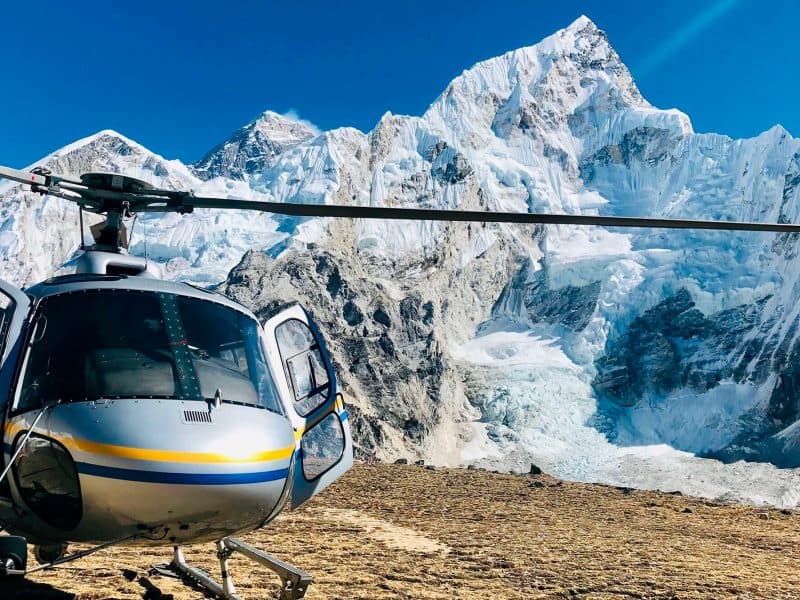
Helicopter services may be available in the Everest region for transportation, itinerary adjustments, sightseeing, or emergency evacuation. Availability depends on weather, visibility, aircraft operating conditions, landing permissions, and applicable aviation regulations.
Helicopter transfers to or from Lukla: A helicopter may be considered when scheduled flights are disrupted or when travelers prefer an alternative mode of transportation. Availability and prices vary, and a helicopter flight is not guaranteed.
Everest scenic helicopter tours: Travelers who wish to experience the Everest region without completing the full trek may consider a scenic helicopter tour, subject to the operator's route, weather, and landing arrangements. This is a separate experience from trekking to Everest Base Camp on foot.
Emergency helicopter evacuation: Helicopter evacuation may be required for serious illness, injury, or severe altitude-related problems. Evacuation depends on weather, aircraft availability, landing conditions, and operational approval. Appropriate travel insurance is strongly recommended.
Helicopter flights are not a substitute for proper acclimatization. Travelers should never continue ascending or delay a medically necessary descent because they expect a helicopter to be available.
Trekking Guide and Porter Services
An experienced trekking guide can help you navigate the route, manage daily arrangements, understand local culture, and respond to changing trail or weather conditions. A guide also helps coordinate accommodation, communicate with teahouse staff, and monitor the group's progress.
Porters may carry the main trekking luggage, allowing you to walk with a lighter daypack. The availability of porter services, baggage limits, porter-to-trekker ratio, insurance, meals, and accommodation for trekking staff depend on your selected package.
When booking with Female Guide Holiday, confirm:
- Whether a licensed trekking guide is included.
- Whether a female trekking guide can be arranged for your dates.
- Whether porter services are included in the package.
- The maximum luggage weight allowed per porter.
- Whether staff wages, meals, accommodation, transport, and insurance are included.
- Whether tips and personal expenses are excluded.
Travelers should pack responsibly and avoid overloading porters. Your main daypack should contain water, snacks, warm clothing, personal medication, and other items you may need during the day's walk.
Wi-Fi and Electricity
Wi-Fi and electricity are available at many teahouses along the Everest Base Camp route, but the quality and reliability vary by village and elevation.
Some lodges provide charging facilities in bedrooms or common areas, while others may charge a separate fee. At higher elevations, electricity may be limited or dependent on solar power and local energy supplies. Wi-Fi may also require an additional payment and can be slow or intermittent.
To prepare for limited connectivity:
- Carry a power bank with sufficient capacity for your devices.
- Bring charging cables and suitable adapters.
- Keep electronics warm in cold conditions.
- Download offline maps and important travel documents before leaving Kathmandu.
- Inform family or contacts that mobile and internet access may be unreliable.
Do not rely on continuous internet access or mobile coverage for emergency communication.
Meals
Meals are generally available at teahouses throughout the Everest region. Menus commonly include traditional Nepali dishes and simple international options, although choices may become more limited at higher elevations.
Common meals include:
- Dal bhat with rice, lentils, vegetables, and seasonal accompaniments.
- Noodles, fried rice, and pasta.
- Soups, potatoes, and vegetable dishes.
- Eggs, porridge, pancakes, and bread.
- Tea, coffee, and other hot drinks.
Dal bhat is a popular trekking meal because it provides energy for long walking days. Eating regularly and choosing food that suits your appetite can help you maintain energy at altitude.
Vegetarian food is widely available, but vegan, gluten-free, and other special dietary requirements should be discussed in advance. Availability and preparation options may be limited in remote villages.
Check your package details to confirm which meals are included, whether drinks are covered, and whether meals in Kathmandu are part of the price.
Drinking Water and Hydration
Staying hydrated is essential during the Everest Base Camp Trek, especially when walking for several hours at high altitude. Trekkers can generally obtain drinking water from teahouses along the route, where boiled water or bottled water may be available for purchase. Carrying a reusable water bottle, purification tablets, or a suitable filtration system can help reduce reliance on single-use plastic bottles. Avoid drinking untreated water from streams, rivers, or taps, and always use an appropriate water treatment method before drinking. Carry enough water for each day's walk, drink regularly throughout the day, and avoid relying exclusively on caffeinated or alcoholic beverages for hydration. Your trekking guide can advise you about safe water refill points along the trail. Please confirm with Female Guide Holiday before booking whether drinking water or boiled water is included in your package, as additional charges may apply.
Accommodation
Accommodation during the Everest Base Camp Trek generally includes a hotel in Kathmandu and local teahouses or mountain lodges throughout the trekking route. The hotel category, number of nights, and room arrangements depend on the selected package. Teahouses typically provide simple rooms with beds, mattresses, pillows, and blankets, with twin-sharing accommodation commonly available. Shared bathrooms are standard at many locations, particularly at higher elevations, although some lodges offer private bathrooms and hot showers for an additional fee, subject to availability. Facilities become more basic as you ascend, and heating may be limited to common areas, making rooms particularly cold at night. A suitable sleeping bag may be advisable depending on the season and accommodation arrangements. During the busy spring and autumn trekking seasons, rooms can fill quickly, so early booking and some flexibility may be necessary, especially if weather conditions disrupt flight schedules.
Travel Insurance
Travel insurance is strongly recommended for the Everest Base Camp Trek because of the high altitude, remote mountain terrain, and potential need for emergency medical assistance. Choose a comprehensive policy that specifically covers trekking at the maximum altitude planned for your itinerary, including Kala Patthar if it is part of your trek. Your policy should ideally include emergency medical treatment, high-altitude trekking, helicopter rescue and evacuation, hospitalization, medical repatriation, and trip cancellation or interruption. Coverage for flight delays, missed connections, additional accommodation, and transport expenses may also be useful, depending on the policy. Not all insurance policies cover trekking above 5,000 metres or helicopter evacuation, so read the terms carefully and confirm coverage directly with your insurer before traveling. Keep your insurance documents and emergency contact details accessible throughout the trek. Please remember that insurance does not guarantee immediate evacuation, as weather and aviation conditions can affect rescue operations.
Passport and Nepal Visa Requirements
International travelers planning the Everest Base Camp Trek should carry a valid passport and confirm Nepal's current entry and visa requirements before departure. Visa eligibility, permitted length of stay, fees, and application procedures depend on nationality and current government regulations. Before traveling, check your passport's validity, whether you qualify for a visa on arrival or need to arrange a visa in advance, the applicable fees, and accepted payment methods. Passport details may also be required for domestic flight bookings and trekking permits. It is advisable to keep copies of your passport, visa, travel insurance documents, and emergency contacts in a secure location separate from the original documents. For the latest official information, visit the Department of Immigration, Nepal.
Photography Restrictions and Permissions
The Everest region offers excellent opportunities for landscape, wildlife, cultural, and travel photography, including views of Himalayan peaks, Sherpa villages, monasteries, and traditional mountain life. Personal photography is generally permitted in public trekking areas, but visitors should respect local privacy, cultural traditions, and site-specific restrictions. Always ask permission before photographing local residents, guides, porters, or children, and check with monastery staff before taking pictures inside religious buildings or during ceremonies. Follow signs prohibiting photography or flash use, avoid disturbing wildlife, and ensure that photography does not obstruct other trekkers or interfere with local activities. Commercial photography, professional filming, and organized productions may require additional permissions. Your trekking guide can help you understand local customs and identify situations where permission should be obtained.
Drone Use and Permissions
Drone operations in Nepal are subject to aviation regulations and additional restrictions that may apply within protected areas and other designated locations. Since the Everest region includes Sagarmatha National Park, travelers should not assume that carrying or operating a drone for personal photography is automatically permitted. Before bringing a drone to Nepal or using it during the trek, confirm the current import, registration, and flight authorization requirements with the relevant authorities, including the Civil Aviation Authority of Nepal and the authorities responsible for national parks and protected areas. Depending on the drone, intended use, location, and applicable regulations, specific approvals or permits may be required, particularly for commercial filming and aerial photography. Follow all applicable altitude limits and no-fly zones, never operate a drone near airports, helipads, aircraft, or active helicopter routes, and respect local privacy and community concerns. Regulations can change, and approval from one authority may not satisfy every requirement, so confirm all necessary permissions before traveling.
Trekking Permits and Entry Requirements
The Everest Base Camp Trek generally requires a Sagarmatha National Park Entry Permit and a Khumbu Pasang Lhamu Rural Municipality entry permit, subject to current regulations and applicable requirements. Trekkers should keep the required identification and permit documents accessible throughout the journey, as checks may take place at designated points along the route. Female Guide Holiday can assist with permit arrangements when these services are included in the selected package. Before departure, confirm which permits are required, their applicable fees, and whether they are included in your trekking package.
Daily Walking Hours and Trekking Pace
Most trekking days on the Everest Base Camp Trek involve approximately five to eight hours of walking, depending on the route, elevation gain, terrain, weather conditions, and individual fitness level. Some days may require longer walking hours, particularly the journey to Everest Base Camp and other high-altitude sections of the itinerary. Walking at a steady pace, taking regular breaks, and allowing sufficient time for acclimatization can help make the trek more manageable. Your trekking guide may adjust the pace or daily schedule according to weather conditions, group fitness, and altitude-related concerns to support a safer and more comfortable experience.
Mobile Network Coverage
Mobile network coverage along the Everest Base Camp Trek varies by location and can become unreliable as you travel farther into the mountains. Some villages and teahouses offer mobile service, while coverage may be weak or unavailable in remote areas and at higher elevations. A local SIM card or eSIM may be useful for communication, but connectivity should not be relied upon for emergency assistance. Wi-Fi may be available at some teahouses for an additional fee, although speed and reliability can vary. It is advisable to inform family or friends that communication may be limited during certain sections of the trek.
Money and Personal Expenses
Trekkers should carry sufficient Nepalese rupees to cover personal expenses during the Everest Base Camp Trek, including snacks, drinks, charging facilities, hot showers, Wi-Fi, and tips. ATM access is more reliable in larger settlements such as Namche Bazaar than in remote mountain villages, and cash withdrawal services may be unavailable or unreliable at higher elevations. Card payment facilities are also limited, so withdrawing enough cash in Kathmandu or another suitable location before beginning the trek is advisable. Keep your money secure and maintain a small amount of cash separately for unexpected expenses.
Responsible Travel and Cultural Etiquette
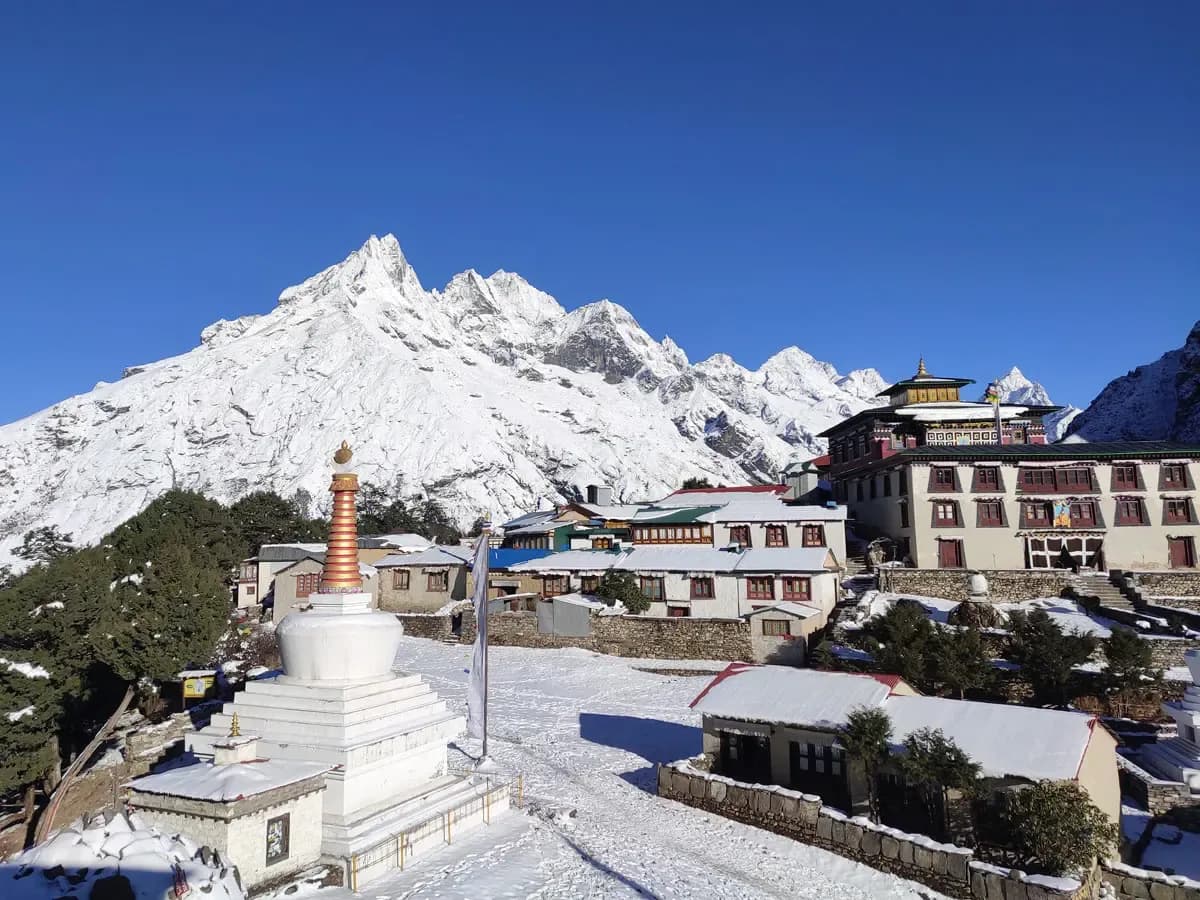
Responsible travel is important when visiting the Everest region, where local communities maintain rich Sherpa traditions and Buddhist cultural practices. Trekkers should dress respectfully when visiting monasteries and religious sites, follow local instructions, ask permission before photographing people, and avoid touching religious objects without permission. Walking around Buddhist stupas and mani walls in a clockwise direction is a common local custom. Visitors should also avoid littering, minimize single-use plastics, respect wildlife, and follow designated trails. Supporting locally operated teahouses, shops, and other businesses helps contribute to the communities that make trekking in the Everest region possible.