Menu

24/7 Support
Need help? We are at your service
- 977 9843197098
- [email protected]
- Thamel, Kathmandu, Nepal
Useful links

We are affiliated with:


We are reccommended in:


We accept:

Menu
24/7 Support
Need help? We are at your service
Useful links
We are affiliated with:
We are reccommended in:
We accept:
Duration
21 Days
Group Size
Min. 1 Pax
Activities
Sightseeing, Day Tour
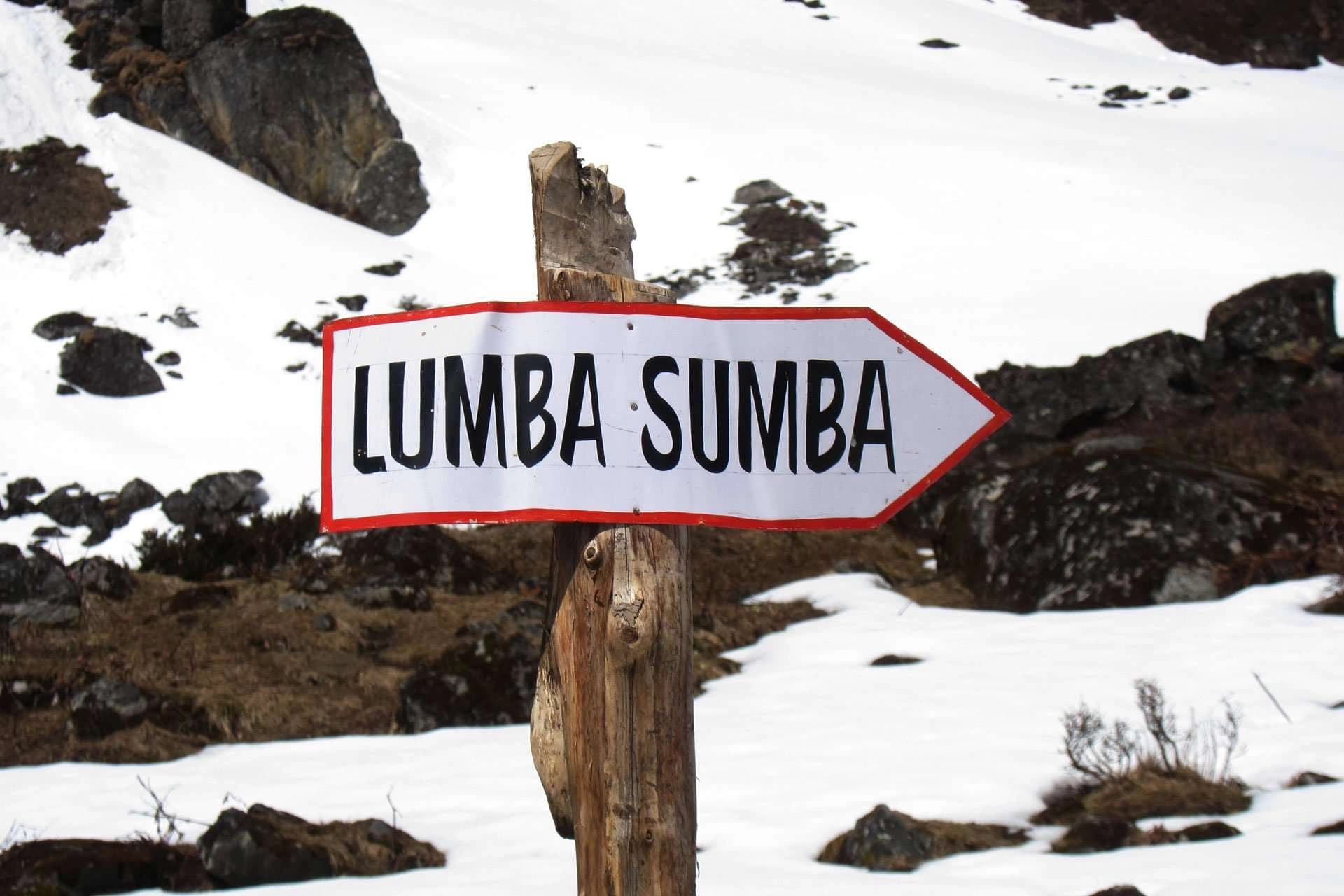
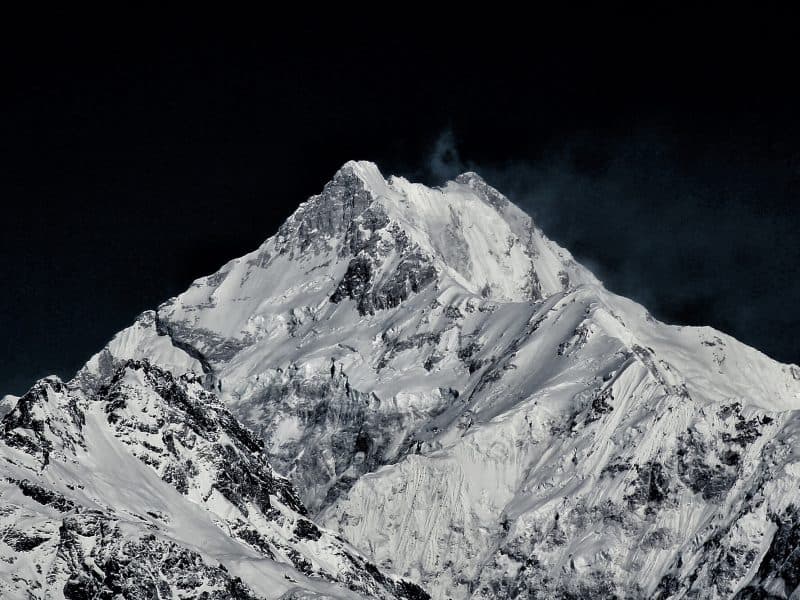
Lumba Sumba Pass Trek: The Lumba Sumba Pass Trek is an exhilarating 21-day journey through some of the most remote and stunning landscapes in eastern Nepal, offering a blend of adventure, cultural immersion, and natural beauty. This trek takes you deep into the heart of the Himalayas, where you will traverse isolated valleys, dense forests, and high-altitude passes, providing breathtaking views of towering peaks like Kanchenjunga, Makalu, and the majestic Everest. The trek is named after the Lumba Sumba Pass, a challenging yet awe-inspiring crossing at an altitude of 5,177 meters, offering panoramic vistas of snow-capped mountains and sweeping valleys below.
Beyond the mesmerizing landscapes, this trek offers a unique opportunity to experience the rich cultural diversity of eastern Nepal. As you pass through traditional Sherpa and Limbu villages, you’ll get a glimpse into the lives of the local people, their traditions, and their way of life, which has remained unchanged for centuries. You’ll visit monasteries steeped in history, sacred temples, and ancient fortresses that hold significance in both Buddhist and Hindu cultures. This trek allows you to connect with the warm hospitality of the Himalayan communities, offering a chance to learn about their customs, beliefs, and daily routines.
The Lumba Sumba Pass Trek also takes you through a variety of ecosystems, from subtropical forests rich in biodiversity to the alpine regions above the tree line. The forests are home to a wide array of wildlife, including the endangered red panda, Himalayan black bear, musk deer, and numerous bird species, making this trek a paradise for nature lovers and wildlife enthusiasts. The route passes through lush rhododendron, oak, and bamboo forests, as well as pristine rivers and waterfalls, providing an ever-changing and captivating landscape.
Organized by Female Guide Holiday Pvt. Ltd., this trek is designed for seasoned trekkers seeking a challenging yet immensely rewarding adventure. With the guidance of experienced female trekking leaders, you’ll navigate through the rugged terrain, camp in remote locations, and be supported by a team dedicated to ensuring your safety and comfort throughout the journey. The trek is fully supported with camping equipment, porters, and all necessary logistics, allowing you to focus on enjoying the adventure.
This trek offers a perfect balance of physical challenge, cultural enrichment, and natural wonder, making it a once-in-a-lifetime Himalayan experience. Whether it’s crossing the majestic Lumba Sumba Pass, interacting with locals in remote villages, or simply soaking in the grandeur of the world’s highest mountains, this 21-day journey will leave you with unforgettable memories and a deep appreciation for the beauty and diversity of Nepal
For the Lumba Sumba Pass Trek, trekkers are required to obtain several permits and pay entry fees to access the restricted regions and conservation areas in eastern Nepal. The permits ensure that you are allowed to trek in the remote and sensitive areas while contributing to conservation efforts. The key permits and fees required for the Lumba Sumba Pass Trek are:
These permits are essential to ensure your trek is authorized, and they support the conservation of the areas you will pass through. Female Guide Holiday Pvt. Ltd. will assist you in arranging all necessary permits and paperwork to make your trek hassle-free.
During the Lumba Sumba Pass Trek, accommodations are primarily in tented camps, offering a true adventure experience in the wilderness. From the starting point at Taplejung to various remote villages, trekkers will spend their nights in camping setups with basic facilities, including shared tents and sleeping arrangements. In some of the lower-altitude villages like Mitlung, Chhiruwa, and Lelep, trekkers may also find small guest houses or teahouses providing simple lodging options.
As you venture deeper into the trek, particularly from Ila Danda onwards, accommodation is almost exclusively in tents due to the remoteness of the trail. Camp locations are chosen for their scenic beauty and proximity to water sources. In some regions like Olangchun Gola, Sherpa hospitality is present, and trekkers may be able to visit local homes or monasteries, though overnight stays will remain in camps.
The trekking journey provides an immersive experience, with evenings spent around campfires or under star-lit skies in the rugged terrains of the Himalayas. Each camping location offers a unique atmosphere, from high-altitude areas like Pass Camp and Yak Kharka, where you are surrounded by towering peaks, to serene forest settings near Thudam and Chyamtang.
During the Lumba Sumba Pass Trek organized by Female Guide Holiday Pvt. Ltd., meals are thoughtfully prepared to ensure trekkers receive nutritious and energizing food essential for their journey. Breakfasts typically include hearty options such as porridge, eggs, toast, pancakes, and seasonal fruits to fuel your day ahead. For lunch, a variety of packed meals are provided, featuring local favorites like dal bhat (lentil soup with rice), noodles, or sandwiches, often accompanied by fresh vegetables and fruit. Dinners are served at campsites or teahouses, offering a delightful mix of traditional Nepali cuisine and international dishes, including curries, rice, pasta, and soups. Staying hydrated is crucial, and trekkers will have access to boiled drinking water provided by guides, ensuring safe consumption. While bottled water can be purchased along the trek, it may not always be available in remote areas. Therefore, it’s advisable to carry a reusable water bottle or hydration system, along with water purification tablets or a filter, to ensure a steady supply of safe drinking water throughout the adventure. This careful attention to meals and hydration guarantees that you remain energized and healthy as you navigate the stunning landscapes of the Lumba Sumba Pass.
The best time to undertake the Lumba Sumba Pass Trek is during the spring (March to May) and autumn (September to November) seasons. These periods offer the most favorable weather conditions, ensuring a safe and enjoyable trekking experience in the Himalayas.
Spring (March to May):
Spring is an excellent time for this trek, as the weather begins to warm up after winter. The days are generally clear and mild, with temperatures perfect for trekking at various altitudes. The landscape bursts into color during this season, as rhododendron forests bloom along the trail, adding to the beauty of the trek. Wildlife is more active in spring, offering opportunities to spot animals like red pandas and diverse bird species. The panoramic views of the surrounding Himalayan ranges, including Kanchenjunga and Makalu, are especially stunning during this season.
Autumn (September to November):
Autumn is another ideal time for the Lumba Sumba Pass Trek, known for its stable weather and clear skies. After the monsoon season, the air becomes crisp and fresh, providing excellent visibility of the snow-capped peaks and surrounding landscapes. The moderate temperatures make it comfortable to trek even at higher altitudes. Autumn also offers cultural highlights, as many local festivals like Dashain and Tihar take place during this period, allowing trekkers to experience the vibrant traditions of the local communities. This season is popular for trekkers, and the trails are typically more crowded than in spring.
Both seasons provide trekkers with pleasant temperatures, minimal chances of heavy rainfall or snowfall, and the best visibility for taking in the incredible mountain vistas that make this trek so remarkable.
It is mandatory for all clients participating in our treks to have comprehensive travel insurance. This should cover personal injury, medical expenses, emergency evacuation (including helicopter rescue), and repatriation in case of accidents, illness, or other unforeseen circumstances. We strongly recommend purchasing insurance from a reputable provider to ensure you are fully protected during your trek in Nepal.
To enter Nepal, all travelers must have a valid passport with at least six months remaining from the date of return. Visas can be obtained through the Nepalese consulate in your home country or upon arrival at Tribhuvan International Airport in Kathmandu.
The weather conditions during the Lumba Sumba Pass Trek can vary significantly depending on the season. Generally, the best times to trek are in the spring (March to May) and autumn (September to November).
In spring, temperatures start to warm up, with daytime highs ranging from 10°C to 20°C (50°F to 68°F) in lower altitudes and cooler conditions at higher elevations. Nights can be chilly, especially above 3,000 meters (9,842 feet), where temperatures may drop to around -5°C (23°F). This season also offers clear skies and blooming rhododendrons, making the scenery particularly vibrant.
In autumn, temperatures are similar, with pleasant daytime weather and cooler nights. Expect daytime highs of 10°C to 15°C (50°F to 59°F) in higher altitudes. The weather is generally stable, with clear views of the surrounding peaks, making it a popular time for trekking.
In contrast, the summer months (June to August) bring monsoon rains, which can lead to slippery trails and cloud cover, affecting visibility. Winter (December to February) can be quite cold, especially at higher altitudes, with snowfall likely, making the trek more challenging and sometimes impassable.
Overall, for the best trekking experience, it’s recommended to plan your trip during the spring or autumn months, when the weather is milder, and the views are stunning.
The Lumba Sumba Pass Trek is considered to be of moderate to high difficulty level, making it suitable for experienced trekkers looking for a challenge. The trek involves traversing diverse terrains, including steep ascents and descents, rocky paths, and high-altitude sections.
The most challenging aspect is crossing the Lumba Sumba Pass at an altitude of 5,177 meters (16,988 feet), which requires good physical fitness and acclimatization to prevent altitude sickness. Trekkers should be prepared for long days of hiking, often ranging from 5 to 7 hours, and should have experience in high-altitude trekking.
Additionally, weather conditions can impact the trek, with the potential for rain or snow, which may make trails slippery and challenging to navigate. Proper gear, physical preparation, and a positive mindset are essential for successfully completing this trek. With determination and a spirit of adventure, trekkers will be rewarded with stunning views and a sense of accomplishment as they conquer this breathtaking Himalayan journey.
To successfully complete the Lumba Sumba Pass Trek, trekkers should possess a good level of physical fitness and endurance. Prior to the trek, it’s essential to engage in regular cardiovascular exercises, such as running, cycling, or swimming, to build stamina. Strength training focused on the legs, core, and upper body will also help prepare for the varied terrains encountered on the trail.
Trekking experience is highly recommended, as the trek involves long days of hiking, often lasting 5 to 7 hours, and navigating through steep ascents and descents. Familiarity with high-altitude trekking is crucial, as the trek reaches elevations above 5,000 meters (16,404 feet), where acclimatization becomes necessary to avoid altitude sickness.
Additionally, trekkers should be comfortable carrying a daypack with essential gear, including water, snacks, and personal items. Hydration is vital, so being accustomed to drinking sufficient water during physical activities is important. Overall, a commitment to training and preparing for the trek will enhance the experience and increase the chances of a successful journey through the stunning landscapes of the Lumba Sumba Pass.
The environment along the Lumba Sumba Pass Trek is characterized by stunning natural beauty and diverse ecosystems. Trekkers will experience a rich variety of landscapes, from lush subtropical forests at lower altitudes to alpine meadows and rugged mountain terrain at higher elevations. The region is home to numerous flora and fauna, including rhododendron forests, bamboo groves, and endangered species like the red panda and snow leopard.
As trekkers ascend, the air becomes crisper and cooler, and the breathtaking views of the Himalayas, including snow-capped peaks and glaciers, create a dramatic backdrop. The trails often wind alongside rivers and streams, contributing to the serene ambiance of the trek.
The Lumba Sumba Pass itself, at an elevation of 5,177 meters (16,986 feet), offers panoramic views of the surrounding mountain ranges, making it a highlight of the journey. The remote villages along the trek provide insights into the local culture and traditions of the Sherpa people, who have adapted to the unique environmental conditions of the region.
Trekking in this area promotes environmental awareness, as efforts to preserve the natural landscape and wildlife habitats are essential for maintaining the ecological balance. Trekkers are encouraged to practice responsible tourism, leaving no trace and respecting local customs, to help protect this pristine environment for future generations.
Choosing the Lumba Sumba Pass Trek offers an exceptional combination of breathtaking natural beauty, cultural richness, and a sense of adventure that is hard to find elsewhere. Here are some compelling reasons to embark on this trek:
When undertaking the Lumba Sumba Pass Trek, you can expect a remarkable journey filled with diverse experiences, stunning landscapes, and personal challenges. Here’s what you can anticipate during your adventure:
During the Lumba Sumba Pass Trek organized by Female Guide Holiday Pvt. Ltd., the transportation primarily focuses on your trek-related needs and support logistics. Here’s a detailed breakdown of the types of transportation you can expect during the trek:
Preparing for the Lumba Sumba Pass Trek requires careful consideration of essential gear and personal items to ensure a safe and comfortable journey. Here’s a comprehensive packing list:
This packing list will help ensure that you are well-prepared for the diverse conditions and experiences you’ll encounter on the Lumba Sumba Pass Trek, allowing you to focus on enjoying the adventure ahead.
When preparing for the Lumba Sumba Pass Trek, it’s vital to understand the restrictions and prohibitions that help ensure the safety of trekkers and the preservation of the local environment and communities. Here are the key points to consider:
Permits: Before starting your trek, it is necessary to obtain the appropriate permits, including the Kanchenjunga Conservation Area Permit and the TIMS (Trekkers’ Information Management System) card. These permits are crucial for managing access to the area and safeguarding its natural resources. Be sure to secure them ahead of time to prevent any last-minute issues.
Environmental Protection: To keep the trekking paths pristine, littering is strictly forbidden. Trekkers are required to carry out all waste, such as food wrappers and personal items. This commitment not only helps protect the environment but also shows respect for the local communities dedicated to maintaining their surroundings.
Wildlife Conservation: The region hosts a variety of wildlife, and harming or disturbing animals is prohibited. Trekkers should maintain a respectful distance and avoid feeding any wildlife, ensuring the safety of both the animals and themselves.
Cultural Sensitivity: It is essential to respect local customs and traditions, particularly when passing through villages or near sacred sites. Wearing modest clothing is highly advisable, especially in temples and monasteries. Being mindful of the local culture can enhance your experience and foster positive interactions with residents.
Camping Regulations: Designated campsites are usually established to limit environmental impact. Wild camping may not be permitted in certain areas, so it’s important to consult your guide about where to set up camp to avoid penalties and ensure safety.
Fire Restrictions: In many areas, open fires may be banned to protect the environment and prevent wildfires. Trekkers should use designated cooking areas when available and comply with all local regulations regarding fire usage.
Alcohol and Drugs: While moderate alcohol consumption might be acceptable, illegal drugs are completely prohibited. Engaging in drug use can lead to serious legal consequences and jeopardize the safety of the group. It’s essential to adhere to local laws concerning alcohol.
Group Size Limits: Some areas may have restrictions on the size of trekking groups to minimize environmental impact and enhance the overall experience. Smaller groups typically have less effect on local resources and contribute to a more enjoyable trek for all.
Understanding and adhering to these restrictions and prohibitions will help ensure a safe, respectful, and rewarding trekking experience. By following these guidelines, trekkers can contribute to the conservation of the Lumba Sumba Pass region while supporting sustainable tourism practices that benefit both the environment and the local communities.
Your safety is of paramount importance to us at the Female Guide Holiday. We have the absolute authority to cancel the trip or change the itinerary, when deemed necessary or when we have reason to believe your safety is at stake. Weather conditions, the health condition of a group member, natural disasters, and such, can contribute to changes in the itinerary when traveling in remote mountainous regions. In these extreme situations, we kindly request that you offer your full cooperation to the trusted leader of the group appointed by the Female Guide Holiday. However, we assure you that we will make every effort to keep to the above itinerary.
Private vehicle pick-up and drop-off at the international and domestic airport to ensure a smooth start and end to your journey.
3-night accommodation in Kathmandu (3-star, twin sharing) including breakfast
City tour in a private vehicle with an experienced english-Speaking tour guide
All necessary arrangements for your guide, including their salary, food, drinks, accommodation, transportation, and insurance.
Essential trekking equipment such as a sleeping bag and down jacket (need to be returned after completion of the trek)
Comfortable trekking lodges or local home stays, and tenting camp throughout the journey,
Comprehensive meal plan including breakfast, lunch, and dinner throughout the trek,
Experienced English-Speaking Trekking Guide and porter (2 trekkers per 1 Porter)
For groups of ten or more, an additional assistant guide will be provided to ensure a smooth and enjoyable trekking experience.
T-shirt, route map, and duffel bag from Female Guide Holiday.
Access to a basic first aid kit carried by your guide, including essential items for minor injuries and ailments.
Arrangements for emergency rescue operations if needed, with costs covered by your travel insurance.
All government and local taxes, including VAT, are included in your trek package.
Experience a memorable farewell dinner at a traditional Nepalese restaurant, featuring local cuisine, music, and dance.
Kanchenjunga National Park Permit, TIMS (Trekkers' Information Management System) card, Restricted Area Permit (RAP) and Makalu Barun National Park entry fees
Domestic airfare from Kathmandu to Bhadrapur and back from Tumlingtar to Kathmandu, including departure taxes
Transportation from Khadbari to Tumlingtar by shared car/jeep/bus
Driver’s salary, meals, and accommodation
Fuel, road taxes, and parking fees for transportation
Ncell SIM card (Nepalese SIM card with 30 GB data pack) – one per group
Price: 1399
$1099 USD/pp
Price Per Person
USD 4999 USD 5099
Max. Altitude
0 Reviews
Price Starting From
US$ 3599 /person
Duration
21 Days
Max. Altitude
0 Reviews
Price Starting From
US$ 4999 5099 /person