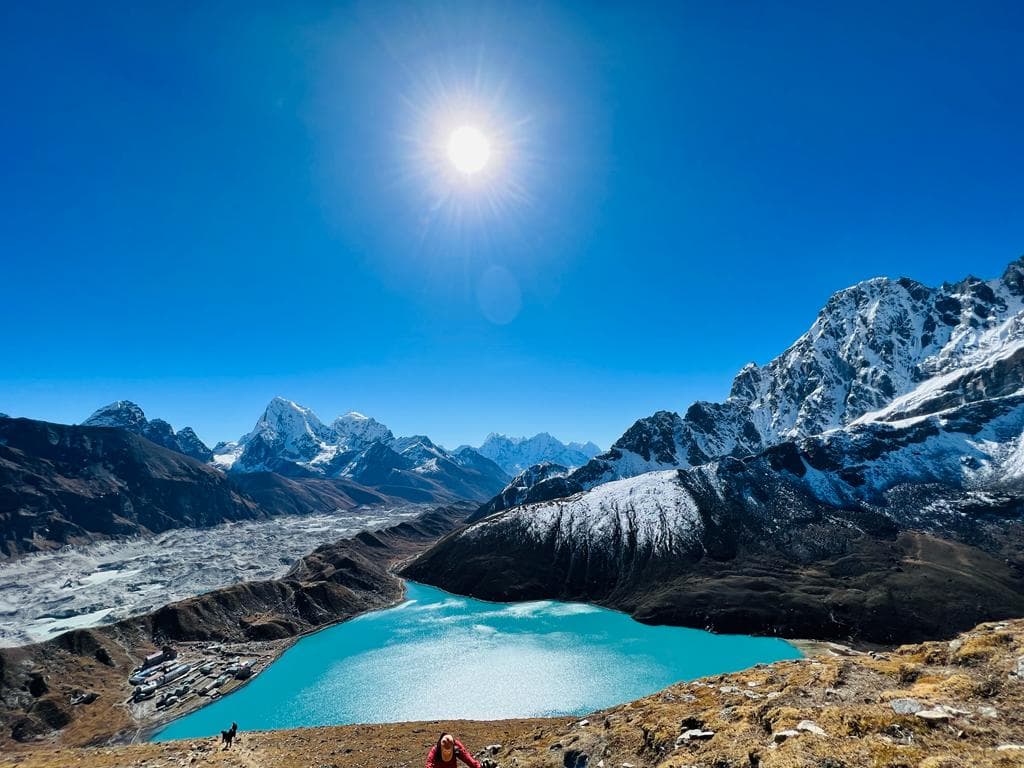





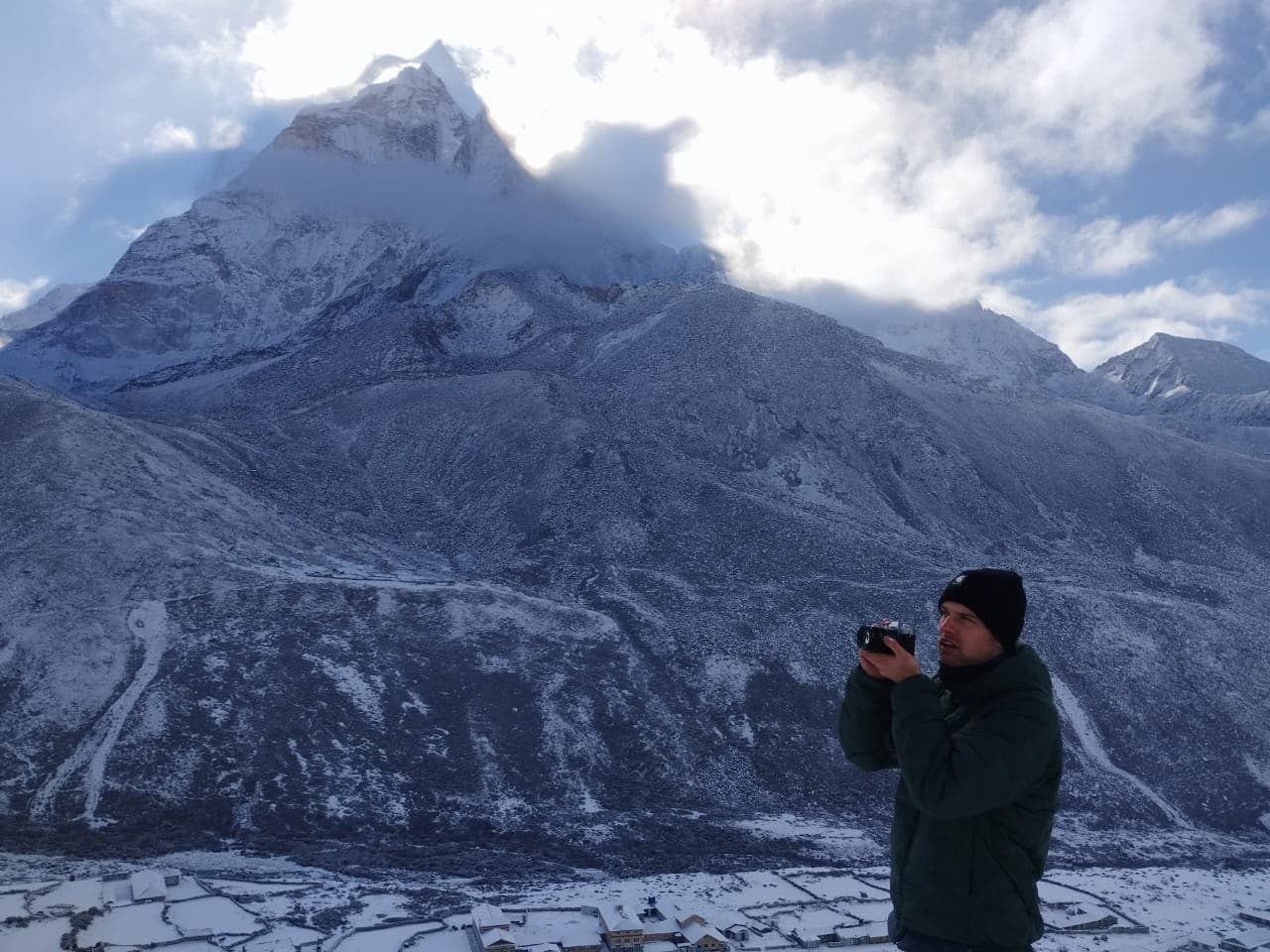
The Everest Circuit Trek crosses three high mountain passes—Kongma La, Cho La, and Renjo La- and reaches elevations above 5,500 metres. Trekkers should prepare for cold temperatures, strong winds, changing weather, and potentially snowy or icy trails. Proper layering, reliable trekking boots, and suitable high-altitude equipment are essential for a safe and comfortable journey.
1. Clothing
-
Moisture-wicking base-layer tops (2–3)
-
Thermal base-layer bottoms (2)
-
Quick-drying trekking T-shirts (3–4)
-
Long-sleeved trekking shirts (2)
-
Fleece jacket or mid-layer (1–2)
-
Insulated down jacket suitable for sub-zero temperatures (1)
-
Waterproof and windproof outer jacket (1)
-
Waterproof trekking trousers (1)
-
Lightweight trekking trousers (2)
-
Warm insulated trousers for high-altitude conditions (1)
-
Thermal underwear for cold nights (1–2 sets)
-
Warm hat or beanie (1–2)
-
Sun hat or cap (1)
-
Neck gaiter or buff (1–2)
-
Waterproof insulated gloves (1 pair)
-
Lightweight liner gloves (1 pair)
-
Trekking underwear (5–7 pairs)
-
Trekking socks (4–5 pairs)
-
Thick thermal socks (1–2 pairs)
-
Comfortable clothes for Kathmandu (1–2 sets)
-
Sleepwear (1 set)
2. Footwear
-
Waterproof, broken-in trekking boots with good ankle support
-
Lightweight camp shoes or sandals for teahouses
-
Gaiters for snow, mud, and wet trail conditions
-
Trekking insoles, if required
-
Spare boot laces
3. Bags and Backpacks
-
Comfortable daypack (25–35 litres)
-
Duffel bag for porter transport, generally around 70–90 litres
-
Waterproof backpack cover
-
Waterproof dry bags or packing cubes
-
Small personal bag for valuables and travel documents
4. Sleeping Equipment
-
Four-season sleeping bag suitable for temperatures around –10°C to –20°C, depending on the season and personal cold tolerance
-
Sleeping bag liner for additional warmth and hygiene
-
Inflatable or foam sleeping mat only if desired or required by the itinerary
Note: Female Guide Holiday may provide sleeping bags and down jackets upon request. Confirm availability, size, condition, and temperature rating before departure.
5. Trekking Accessories
-
Trekking poles (adjustable, preferably with snow baskets)
-
UV-protection sunglasses suitable for snow and high-altitude glare
-
Headlamp with spare batteries or charging cable
-
Water bottles or hydration bladder with a capacity of approximately 2–3 litres
-
Insulated bottle for warm water
-
Water purification tablets, drops, or a suitable filter
-
Quick-drying trekking towel
-
Lightweight sit mat, optional
-
Camera or smartphone
-
Power bank (10,000–20,000 mAh)
-
Charging cables and suitable adapters
-
Earplugs for shared teahouse rooms
-
Small repair kit with duct tape, safety pins, and a multitool
6. Personal Hygiene and Toiletries
-
Toothbrush and toothpaste
-
Biodegradable soap or body wash
-
Shampoo and conditioner in small containers
-
Quick-drying personal towel
-
Sunscreen (SPF 50 or higher)
-
SPF lip balm
-
Moisturiser for dry mountain conditions
-
Hand sanitiser
-
Wet wipes and tissues
-
Toilet paper
-
Menstrual hygiene products, if required
-
Small rubbish bags
-
Nail clippers
-
Personal prescription medications
7. Personal Medical and Safety Items
-
Personal first-aid kit
-
Blister plasters and blister-care supplies
-
Pain relief medication, if suitable for you
-
Oral rehydration salts
-
Any prescribed altitude-related medication, following medical advice
-
Personal medical information and emergency contacts
-
Travel insurance documents covering high-altitude trekking and helicopter evacuation
-
Digital and printed copies of passport and permits
-
Water purification supplies
-
High-energy snacks and electrolyte supplements, if desired
Your trekking guide should carry a group first-aid kit and an oximeter. An oximeter helps monitor oxygen saturation and pulse rate but cannot independently rule out altitude sickness. Report symptoms such as headache, nausea, dizziness, unusual fatigue, or breathlessness promptly to your guide.
8. Documents and Money
-
Valid passport
-
Nepal visa documentation, if applicable
-
Travel insurance certificate with emergency evacuation coverage
-
Flight tickets and booking confirmations
-
Trekking permits and identification documents, as required
-
Sufficient Nepalese rupees for personal expenses
-
Debit or credit card for use where accepted
-
Emergency contact details
-
Passport-sized photographs, if required
9. Optional Items for Extra Comfort
-
Lightweight binoculars
-
Book, journal, or e-reader
-
Playing cards
-
Camera batteries and memory cards
-
Reusable cutlery and mug
-
Small pillowcase
-
Lightweight thermal flask
-
Snacks from home, especially for specific dietary needs
10. Recommended Packing Strategy
For the 22-day Everest Circuit Trek, pack according to the expected conditions rather than the total trip duration. Laundry opportunities may be limited at higher elevations, so prioritise versatile layers that dry quickly.
-
Daypack: Carry water, snacks, a waterproof layer, warm clothing, sunglasses, sunscreen, a headlamp, personal medication, and valuables.
-
Porter duffel bag: Pack spare clothing, sleeping equipment, toiletries, and other items not required during the day. Keep within the weight limit agreed with your trekking company.
-
On high-pass days: Carry extra warm layers, waterproof gloves, sufficient water, energy snacks, and a headlamp for early starts. Your guide may recommend additional equipment depending on snow and ice conditions.
-
For Kathmandu: Keep a separate set of comfortable clothes and travel essentials so your trekking equipment can remain packed.
11. Important Gear for the Three High Passes
Kongma La, Cho La, and Renjo La are demanding high-altitude crossings. Snow and ice conditions vary by season, and some sections may require additional traction equipment.
-
Waterproof, insulated gloves
-
Warm down jacket and windproof outer shell
-
Waterproof trekking boots with reliable grip
-
Trekking poles with suitable baskets
-
Gaiters
-
Headlamp for early departures
-
UV-protection sunglasses and high-SPF sunscreen
-
Optional microspikes or other traction equipment, as advised by your guide based on current trail conditions
Final recommendation: Before departure, ask Female Guide Holiday to confirm which items are provided, particularly the sleeping bag, down jacket, duffel bag, and any seasonal snow equipment. Pack as lightly as possible while keeping essential safety and cold-weather gear accessible.