Menu

24/7 Support
Need help? We are at your service
- 977 9843197098
- [email protected]
- Thamel, Kathmandu, Nepal
Useful links

We are affiliated with:


We are reccommended in:


We accept:

Menu
24/7 Support
Need help? We are at your service
Useful links
We are affiliated with:
We are reccommended in:
We accept:
Duration
15 Days
Group Size
Min. 1 Pax
Dreaming of reaching Everest Base Camp but want to avoid the flight to Lukla? The Everest Base Camp Trek by Road offers an incredible alternative! This route lets you experience the beauty of the Himalayas, explore traditional villages, and immerse yourself in Sherpa culture—all without taking a flight. Female Guide Holiday has designed this trek to provide an authentic adventure while keeping costs lower than the traditional fly-in route.
This 14-15 day trek follows a scenic overland route, beginning with a 6-7 hour jeep ride from Kathmandu to Phaplu. Unlike the standard trek that starts from Lukla, this road-based journey allows for a gradual ascent, making acclimatization easier and reducing the chances of altitude sickness.
From Phaplu, you’ll set off on foot through lush forests, charming Sherpa and Rai villages, and rugged Himalayan landscapes. The route takes you through Nunthala, Phakding, and Namche Bazaar, following the classic Everest Base Camp trail from a lower altitude. You’ll enjoy spectacular mountain views, warm local hospitality, and the chance to experience Nepal’s diverse terrain at a slower, more immersive pace.
Your adventure begins with a jeep ride from Kathmandu to Phaplu, a journey filled with beautiful countryside views and a glimpse of rural Nepal. Once you reach Phaplu, the trek begins, leading you through:
Each step brings new landscapes—from green valleys to high-altitude tundra—creating an ever-changing, awe-inspiring journey.
The ideal time to embark on the Everest Base Camp Trek by road is during the spring (March-May) and autumn (September-December) seasons. These months provide the best weather conditions, ensuring a safe and enjoyable trekking experience with clear skies, comfortable temperatures, and stunning mountain views.
Choosing the right season ensures a smooth trekking experience, allowing you to fully appreciate the beauty of the Everest region without worrying about weather-related disruptions.
By choosing the Everest Base Camp Trek by road, you skip the flight, embrace the journey, and enjoy a one-of-a-kind adventure through the heart of the Himalayas. Experience the beauty, culture, and challenge of Everest with Female Guide Holiday for a truly unforgettable trekking experience!
The Everest Base Camp Trek by road is a physically demanding adventure that requires a good level of fitness and endurance. The trek involves long walking hours, steep ascents, high-altitude terrain, and varying weather conditions. While prior trekking experience is not mandatory, it is highly recommended to engage in cardiovascular and strength training exercises before the journey. Activities like hiking, jogging, stair climbing, and weight training help build stamina and endurance for the trek. Since this trek gradually ascends, your body gets time to adjust to the thinner air at higher elevations, reducing the risk of altitude sickness. Mental preparedness is also essential, as trekkers must adapt to basic accommodations, cold temperatures, and rugged trails. Those with medical conditions like asthma, heart problems, or knee issues should consult a doctor before attempting this trek. With proper physical preparation, training, and guidance from Female Guide Holiday, trekkers of all levels can complete this rewarding adventure.
The Everest Base Camp Trek by road is classified as a moderate to challenging trek due to its high altitude, long duration, and rugged terrain. Unlike the standard route that includes a flight to Lukla, this trek starts at a lower altitude, allowing for better acclimatization. However, it still requires trekkers to walk 5-7 hours daily on uneven trails, steep inclines, and suspension bridges. The highest point of the trek is 5,555m at Kala Patthar, where oxygen levels are significantly lower. Weather conditions, including cold temperatures, strong winds, and possible snowfall, can add to the challenge. Beginners can complete this trek with proper physical training and acclimatization, while experienced trekkers will find it an exciting and fulfilling adventure. Female Guide Holiday ensures a well-paced itinerary with acclimatization days to make the trek safer and more enjoyable.
During the Everest Base Camp Trek by road, trekkers stay in teahouses and lodges that provide a simple yet cozy experience. These lodges are run by local families, offering an authentic taste of Himalayan hospitality. Rooms are typically twin-sharing with basic bedding, blankets, and pillows. Hot showers and Wi-Fi are available in lower-altitude villages like Namche Bazaar, but as the altitude increases, facilities become more basic. Toilets are mostly shared, with western-style or squat toilets depending on the location. At higher altitudes, electricity is limited, and charging devices may cost extra. While accommodations are basic, the warmth of the Sherpa hospitality and the stunning surroundings make it a memorable experience. Female Guide Holiday arranges the best available teahouses to ensure comfort throughout the journey.
Trekking in the Himalayas requires nutritious and high-energy meals to maintain stamina and strength. The Everest Base Camp Trek by road offers a variety of local and international meal options at teahouses along the route. A typical meal includes Dal Bhat (rice, lentils, and vegetables), which is a staple in Nepal. Other options include noodles, pasta, soups, pancakes, and eggs. As you gain altitude, food choices become limited, and prices increase due to transportation costs.
Drinking safe and clean water is crucial for staying hydrated and avoiding altitude sickness. Bottled water is available but expensive, so trekkers are encouraged to use water purification tablets or refillable bottles with filtered water. Hydration is key at high altitudes, so drinking at least 3-4 liters of water daily is highly recommended. Female Guide Holiday ensures trekkers have access to safe drinking water and well-balanced meals throughout the trek.
The Everest Base Camp Trek by road takes trekkers through the Sagarmatha National Park, a UNESCO World Heritage Site known for its pristine landscapes, diverse flora, and rich wildlife. However, this fragile ecosystem is under threat due to increased trekking activity. It is crucial to follow eco-friendly practices to minimize environmental impact. Trekkers are encouraged to avoid plastic waste, carry reusable water bottles, dispose of trash properly, and respect local wildlife. The region is home to rare species like the snow leopard, Himalayan monal, and musk deer, making it important to stay on designated trails to prevent habitat destruction.
Female Guide Holiday promotes sustainable trekking by partnering with eco-conscious lodges and educating trekkers about responsible tourism. By following environmentally friendly practices, we can preserve the natural beauty of the Everest region for future generations.
Ensuring safety and security is the top priority for Female Guide Holiday on the Everest Base Camp Trek by road. Trekking at high altitudes comes with risks like altitude sickness, extreme weather, and rugged terrain, but with proper preparation and an experienced guide, these risks can be minimized. Our guides are trained in first aid, altitude sickness management, and emergency response.
The itinerary includes acclimatization days to help trekkers adjust gradually to higher elevations. In case of emergencies, helicopter evacuations are available, but travel insurance covering high-altitude trekking is mandatory. Trekkers should avoid solo trekking, keep valuables secure, and always follow the guide’s instructions for a safe journey. With a well-structured plan, safety measures, and professional support, this trek is both adventurous and secure.
While trekking to Everest Base Camp by road, access to Wi-Fi and electricity is available in most villages, but services become limited and expensive at higher altitudes. In towns like Namche Bazaar, Tengboche, and Dingboche, teahouses offer Wi-Fi for an additional charge. However, internet speed is slow and unreliable due to remote locations. Electricity is mainly solar-powered, and charging electronic devices costs $2-$5 per charge, depending on the altitude. Trekkers are advised to carry power banks, extra batteries, or a solar charger to stay connected. Since mobile networks may not work beyond certain points, downloading offline maps and keeping loved ones updated before heading into higher regions is recommended. Female Guide Holiday ensures trekkers have access to basic communication and charging facilities whenever available.
To ensure a smooth and comfortable trek, Female Guide Holiday provides professional guides and porters. For every 2 trekkers, 1 porter is assigned to carry up to 15 kg of gear. In groups larger than 10 trekkers, an assistant guide is also provided for additional support.
Hiring a guide is essential for navigating trails, understanding local culture, and ensuring safety. Guides are trained in first aid, altitude sickness management, and emergency response. Porters play a crucial role in making the trek easier by carrying luggage, allowing trekkers to focus on enjoying the journey. Choosing local guides and porters supports the community and enhances the overall trekking experience.
The Everest Base Camp Trek by road starts with a scenic jeep ride from Kathmandu to Phaplu, a journey that takes 6-7 hours. This drive offers stunning views of lush green hills, mountain ridges, rivers, and traditional Nepali villages.
The road to Phaplu is rugged and winding, adding an adventurous feel to the journey. Depending on the group size, trekkers may travel in a private or shared jeep. The return journey from Phaplu to Kathmandu is also done by jeep. While the drive is long, it provides an authentic experience of Nepal’s rural life before transitioning back to the city. Female Guide Holiday arranges safe and comfortable transportation for all trekkers.
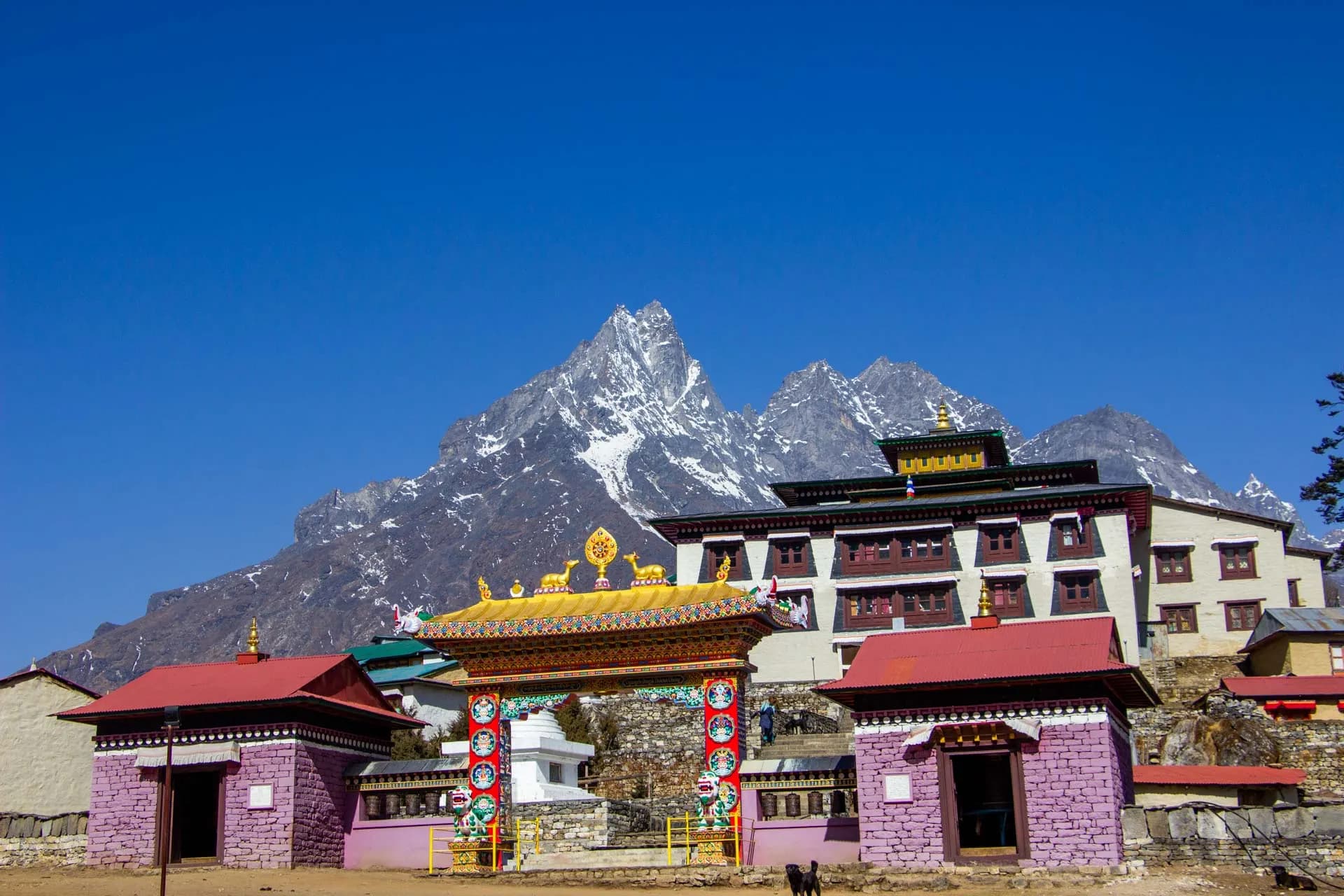
The Everest Base Camp Trek by road is not just about breathtaking mountain views; it’s a journey into the rich culture and diversity of the Himalayas. The trail passes through numerous Sherpa, Rai, and Tamang villages, offering trekkers an opportunity to experience local traditions, customs, and religious practices. The Sherpa people, known as the guardians of Everest, have a deep-rooted connection with Buddhism, evident in the monasteries, prayer flags, and mani walls that line the trekking route. Visiting places like Tengboche Monastery, the spiritual center of the Khumbu region, provides insight into the Buddhist way of life.
Trekkers can also experience traditional Nepali cuisine, including dal bhat, Tibetan bread, and yak cheese, while learning about the locals' daily lives. The Everest region is home to festivals like Mani Rimdu, where monks perform masked dances and prayers. This trek is a cultural immersion that allows travelers to witness the harmony between nature and spirituality in one of the most remote yet vibrant places on Earth.
Acclimatization is one of the most crucial aspects of high-altitude trekking, ensuring that trekkers adjust gradually to the lower oxygen levels as they ascend. Unlike the Lukla route, the Everest Base Camp Trek by road starts at a lower altitude, allowing the body to adapt naturally. However, as trekkers ascend beyond 3,000 meters, symptoms of altitude sickness can occur if proper acclimatization is not followed. The itinerary includes scheduled acclimatization days at key points like Namche Bazaar and Dingboche, where trekkers stay for an extra night to allow their bodies to adapt to the thin air.
These rest days are used for short hikes to higher altitudes before descending back to sleep, a technique called "climb high, sleep low" that helps reduce the risk of altitude-related illnesses. Proper hydration, a slow and steady pace, and avoiding alcohol are essential during acclimatization days. Female Guide Holiday ensures that trekkers follow a well-structured itinerary to make the trek safe and enjoyable.
Acclimatization is required to prevent Acute Mountain Sickness (AMS), which can occur when ascending to high altitudes too quickly without giving the body time to adjust. The Everest region has reduced oxygen levels, and as trekkers climb higher, their bodies need to produce more red blood cells to compensate for the lower oxygen availability. Without proper acclimatization, symptoms such as headaches, dizziness, nausea, shortness of breath, and loss of appetite may develop, leading to serious health risks. Severe cases of AMS can progress to High Altitude Pulmonary Edema (HAPE) or High Altitude Cerebral Edema (HACE), both of which are life-threatening conditions. Acclimatization helps the body adapt naturally, reducing the chances of complications.
Following a gradual ascent, staying hydrated, eating high-energy foods, and taking acclimatization breaks can make a significant difference in altitude adaptation. Female Guide Holiday prioritizes trekker safety by incorporating adequate rest and acclimatization periods into the itinerary.
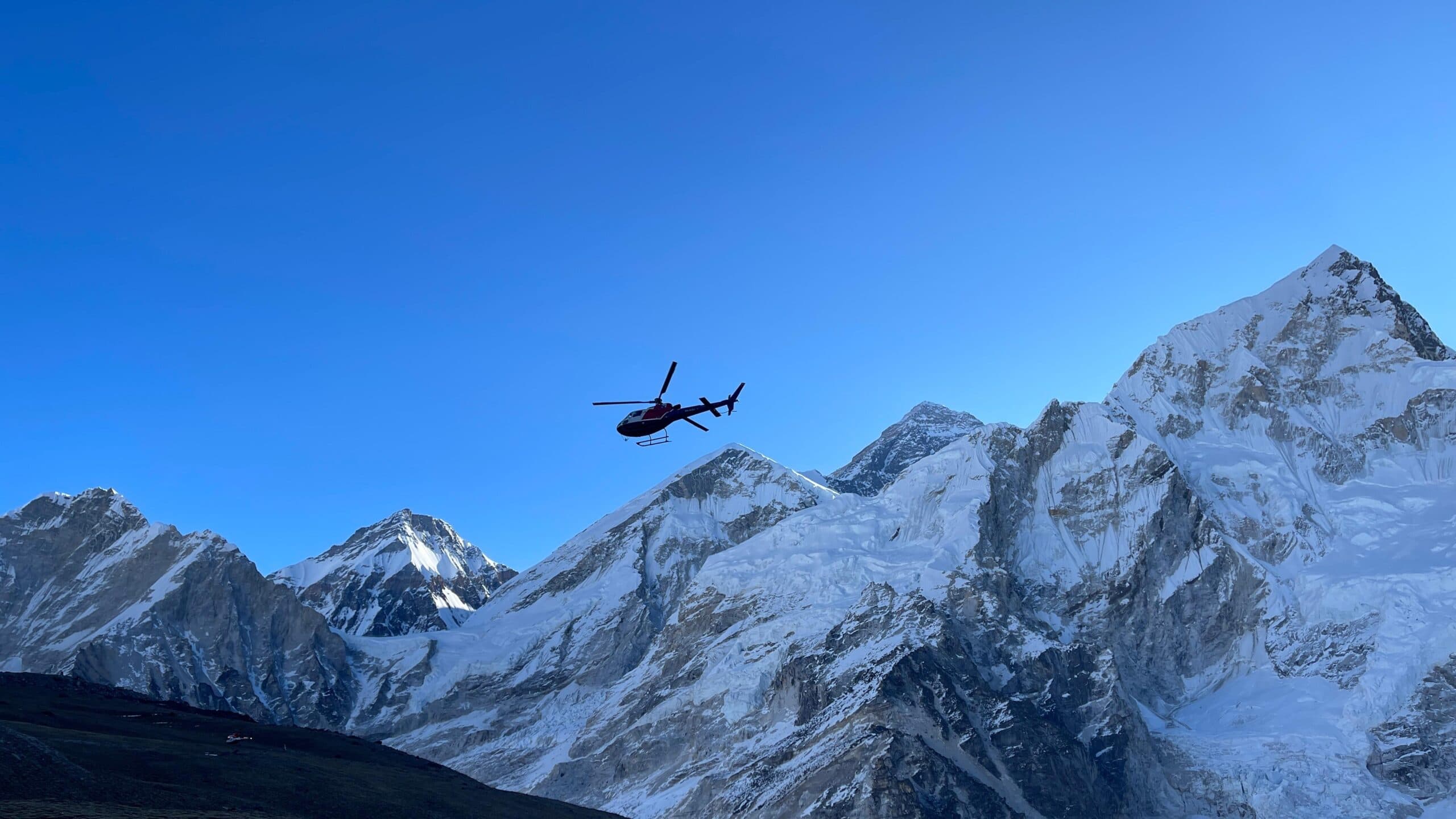
Although the Everest Base Camp Trek by road is planned carefully to ensure safety, emergencies can still arise, and having a rescue plan in place is essential. In the event of severe altitude sickness, injury, or extreme weather conditions, trekkers may require emergency evacuation. The primary method of rescue in the Everest region is helicopter evacuation, which can quickly transport trekkers from high-altitude locations to medical facilities in Kathmandu. However, helicopter rescues are expensive and can cost thousands of dollars, which is why having comprehensive travel insurance that covers emergency evacuation is mandatory.
Female Guide Holiday ensures that all trekkers are briefed on safety protocols, and our guides are trained in first aid and altitude sickness management. In less severe cases, descending to a lower altitude and taking proper medication can help with recovery. Being prepared with the right insurance and following safety guidelines makes the trek much safer for all participants.
Altitude sickness, also known as Acute Mountain Sickness (AMS), is one of the main challenges trekkers faces on the Everest Base Camp Trek by road. As altitude increases, oxygen levels decrease, which can lead to symptoms such as headaches, nausea, dizziness, fatigue, and loss of appetite. To prevent altitude sickness, trekkers should ascend gradually, stay hydrated, eat high-energy foods, and take acclimatization breaks.
Avoiding alcohol and smoking is also crucial, as they can worsen dehydration and altitude-related symptoms. Some trekkers take Diamox (acetazolamide), a medication that helps with acclimatization, but it should only be used after consulting a doctor. Proper physical training before the trek, including cardio exercises, hiking, and strength training, can help prepare the body for high-altitude conditions. Female Guide Holiday ensures that trekkers are fully informed about altitude sickness risks and follow a well-planned itinerary to reduce complications.
Having the right medication and first aid supplies is essential for the Everest Base Camp Trek by road. Trekkers should carry a personal first aid kit containing pain relievers, altitude sickness medication, antiseptics, bandages, blister pads, and anti-diarrheal medicine. Common trekking issues include blisters, muscle cramps, dehydration, and digestive problems, which can be managed with basic medications. Guides from Female Guide Holiday are trained in first aid and carry a group medical kit, but trekkers should also bring any personal medications prescribed by their doctor. It is also important to stay updated on vaccinations like hepatitis, typhoid, and tetanus before traveling. Ensuring a well-stocked medical kit and following basic health precautions can help trekkers stay fit throughout the journey.
Travel insurance is a mandatory requirement for the Everest Base Camp Trek by road, as it covers medical emergencies, altitude sickness, helicopter evacuations, trip cancellations, and theft. Since high-altitude trekking involves potential risks, having insurance that includes coverage for trekking above 5,500 meters is essential. Medical evacuations in the Everest region can cost over $5,000, making insurance a crucial safety measure. Before purchasing a policy, trekkers should check if it includes emergency rescue and hospitalization in Nepal. Female Guide Holiday requires all trekkers to have valid insurance before joining the trek, ensuring their safety and financial security in case of emergencies.
International trekkers need a valid passport and a Nepal visa to enter the country for the Everest Base Camp Trek by road. Tourist visas can be obtained on arrival at Tribhuvan International Airport in Kathmandu or in advance from Nepalese embassies. A 30-day visa costs $50, and a 15-day visa costs $30. Trekkers should ensure that their passport is valid for at least six months from the date of entry. Visa extensions are possible at the Department of Immigration in Kathmandu if trekkers decide to extend their stay. It is also recommended to keep photocopies of important documents and register travel details with family members or authorities for safety.
High-altitude trekking requires careful acclimatization and preparation to avoid altitude-related illnesses. As the trek progresses beyond 3,500 meters, oxygen levels drop, making breathing more difficult. Acclimatization days, a gradual ascent, staying hydrated, and maintaining a slow pace are key strategies to adjusting safely. The highest point of the trek is 5,555 meters at Kala Patthar, which offers panoramic views of Everest but also requires careful altitude management. Female Guide Holiday follows a scientifically designed itinerary that prioritizes trekkers’ health and ensures they have the best experience without altitude risks.
For the Everest Base Camp Trek by road, trekkers are required to obtain the following permits:
Packing the right gear is essential for a successful and comfortable trek to Everest Base Camp. The varying terrain, weather conditions, and high altitudes require a well-thought-out packing list to ensure your safety and convenience. Female Guide Holiday recommends carrying lightweight, high-quality trekking gear that keeps you warm, dry, and comfortable throughout the journey.
Since the trek takes you through different climates, layering is crucial for regulating body temperature and staying comfortable.
Proper footwear is one of the most important aspects of a comfortable trek.
While lodges provide basic bedding, it is always best to have personal sleeping gear for warmth and hygiene.
Tea houses provide meals, but carrying personal snacks can be helpful.
With the right gear, your Everest Base Camp trek with Female Guide Holiday will be an incredible, hassle-free adventure. Ready to take on the Himalayas? Let us guide you on this life-changing journey!
To confirm your booking for the Ama Yangri Trek with Female Guide Holiday, the following payment policy applies:
By following these payment guidelines, your trek booking will be confirmed, and your adventure will be reserved with Female Guide Holiday.
We understand that plans may change, and if you need to cancel your booking, the following cancellation charges will apply, depending on how far in advance you cancel your trek:
Please be aware that if you cancel within 7 days of the departure date, you will forfeit the entire cost of the trek. We strongly recommend reaching out to us directly if you need to cancel during this time, and we will do our best to discuss your situation.
In the rare case that Female Guide Holiday cancels the trek due to unforeseen circumstances (such as extreme weather conditions, natural disasters, or safety concerns), you will receive a full refund or the option to reschedule the trek for a later date.
Your safety and enjoyment are our top priorities, and we will make every effort to ensure your experience is as smooth as possible.
In the event of a Force Majeure situation during the trek—such as natural disasters, extreme weather, political unrest, or unforeseen circumstances—the trek may be delayed, modified, or canceled for safety reasons. We will strive to provide alternative arrangements where possible, but we are not liable for any additional costs incurred as a result.
We will notify trekkers promptly if such an event arises, and refunds or compensation will be considered on a case-by-case basis. The safety and well-being of our trekkers are always our top priority during such circumstances.
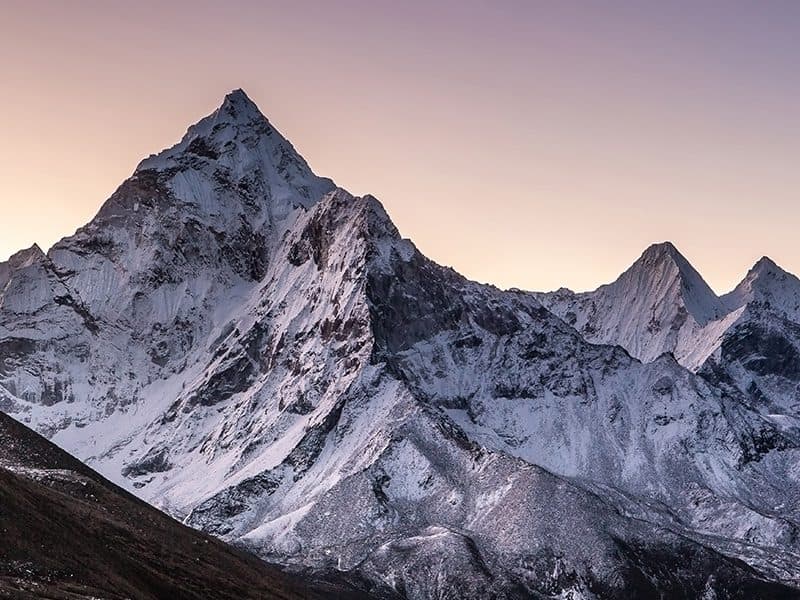
Continuing the ascent, today’s 4-hour trek takes you from Tengboche to Dingboche, a picturesque village situated at 4,410 meters. The landscape gradually changes, with fewer trees and more rugged, high-altitude terrain. Along the way, you’ll pass through quaint villages and cross glacial rivers, all while surrounded by stunning mountain vistas. Dingboche is known for its breathtaking views of Ama Dablam and the other snow-clad giants that dominate the horizon. The village serves as a vital acclimatization stop before pushing further into the Everest region.
Stunning Mountain Views – See Everest, Lhotse, Nuptse & Ama Dablam up close.
Kala Patthar Sunrise – Enjoy the best panoramic view of the Himalayas from 5,555m.
No Flights Needed – Avoid Lukla flights, delays & cancellations.
Authentic Cultural Experience – Explore Sherpa villages & Buddhist monasteries.
Scenic Overland Journey – Drive from Kathmandu to Phaplu with breathtaking landscapes.
Smooth Acclimatization – Gradual altitude gain lowers the risk of altitude sickness.
Local Cuisine & Hospitality – Taste traditional Nepali & mountain foods.
Diverse Landscapes – Walk through lush forests, deep valleys & high-altitude terrains.
All airport and hotel pick-ups and drop-offs will be provided in a private vehicle
Private jeep from Kathmandu to Phaplu and return from Phaplu to Kathmandu
Experienced, government-authorized (licensed) high-altitude trekking Sherpa guide throughout the trekking
Tea house accommodations during the trekking.
Clean, nutritious breakfast, lunch, and dinner with tea/coffee from the tea house menu during the trek.
Allowance of up to 20 kg of personal climbing equipment per person, carried by porter during the flight and trekking.
Sagarmatha National Park permit and TIMS provided by Alpine Club of Himalaya
Down jackets and sleeping bags are provided for the trek and must be returned after completion.
A comprehensive full-body massage for one hour included to help you relax after your journey.
Welcome and farewell dinners hosted in Kathmandu.
Trip completion certificate, company T-shirt, First-Aid box and trekking route map.
Tipping is not mandatory in Nepal, but it is highly appreciated as a way to show gratitude for the hard work of your trekking crew. A general tipping guideline for the Everest Base Camp trek is $8 - $10 per day per person for guides and $5 - $8 per day per person for porters. Tipping can be done individually or as a group at the end of the trek, and it is best given in Nepali rupees. Since guides and porters play a crucial role in making your journey safe and enjoyable, offering a fair tip is a great way to acknowledge their dedication and effort.
Price Per Person
USD 0

Price: 1399
$1099 USD/pp
 Best Seller
Everest Region, Nepal
Difficulty:
Easy
Duration
10 Days
Max. Altitude
3860m
0 Reviews
Price Starting From
US$ 899 /person
Everest Region, Nepal
Difficulty:
Moderate
Duration
 3% Off
Everest Region, Nepal
Difficulty:
Moderate
Max. Altitude
0 Reviews
Price Starting From
US$ 230 /person
Duration
18 Days
Max. Altitude
0 Reviews
Price Starting From
US$ 2699 2799 /person