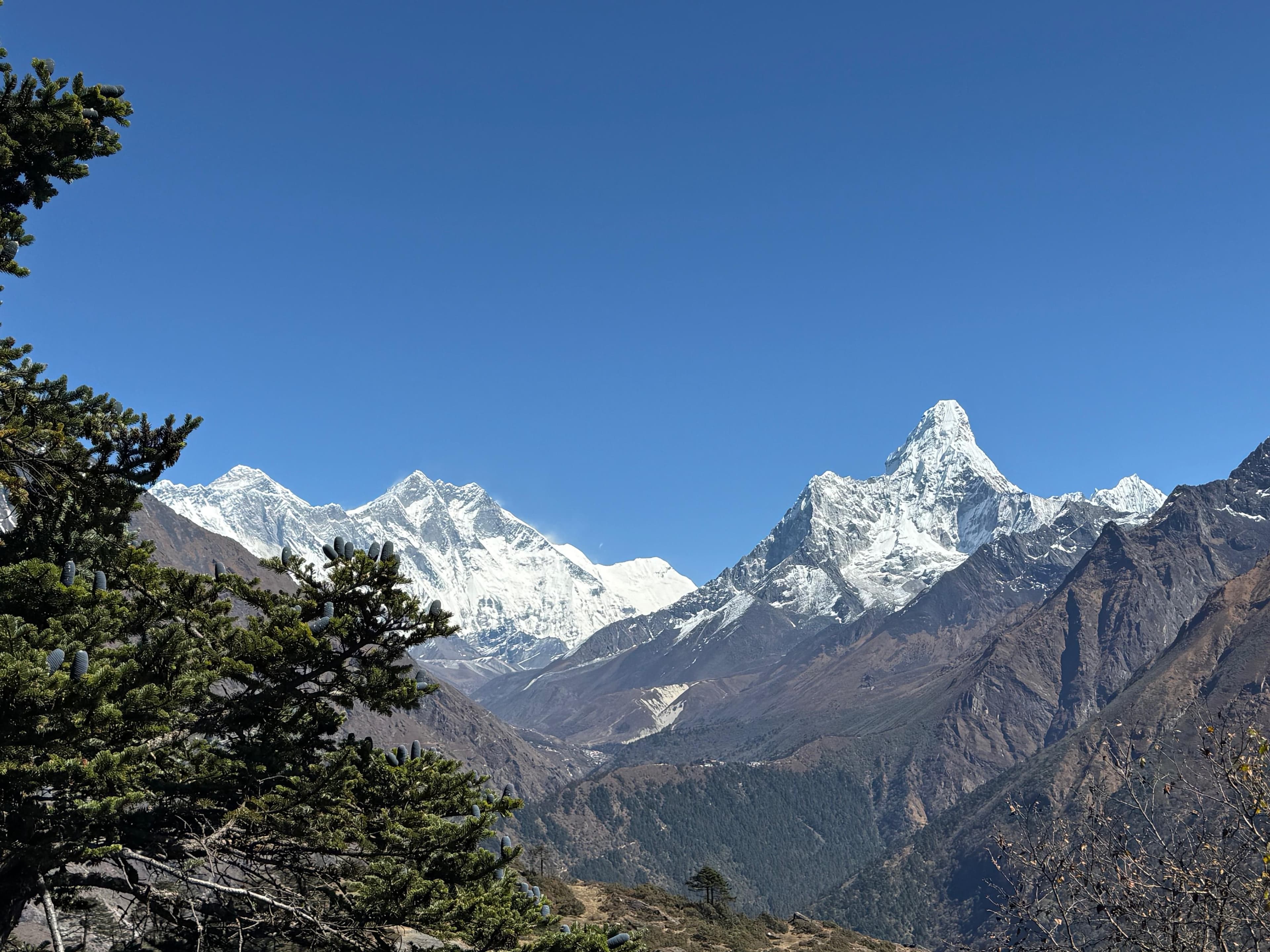
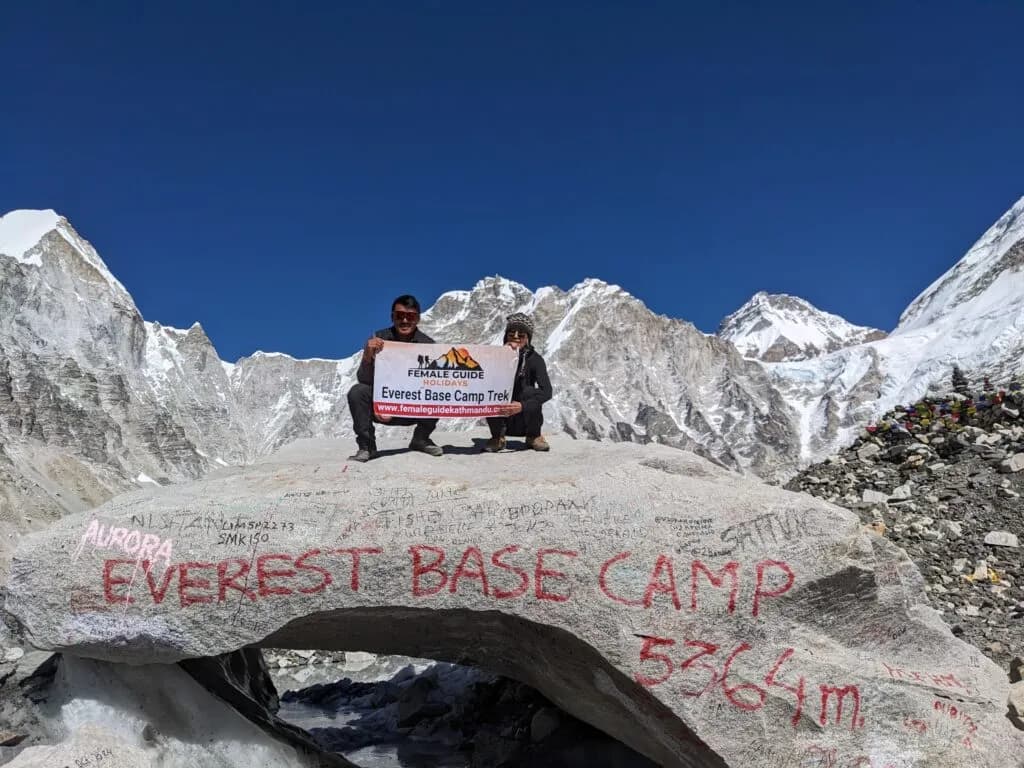
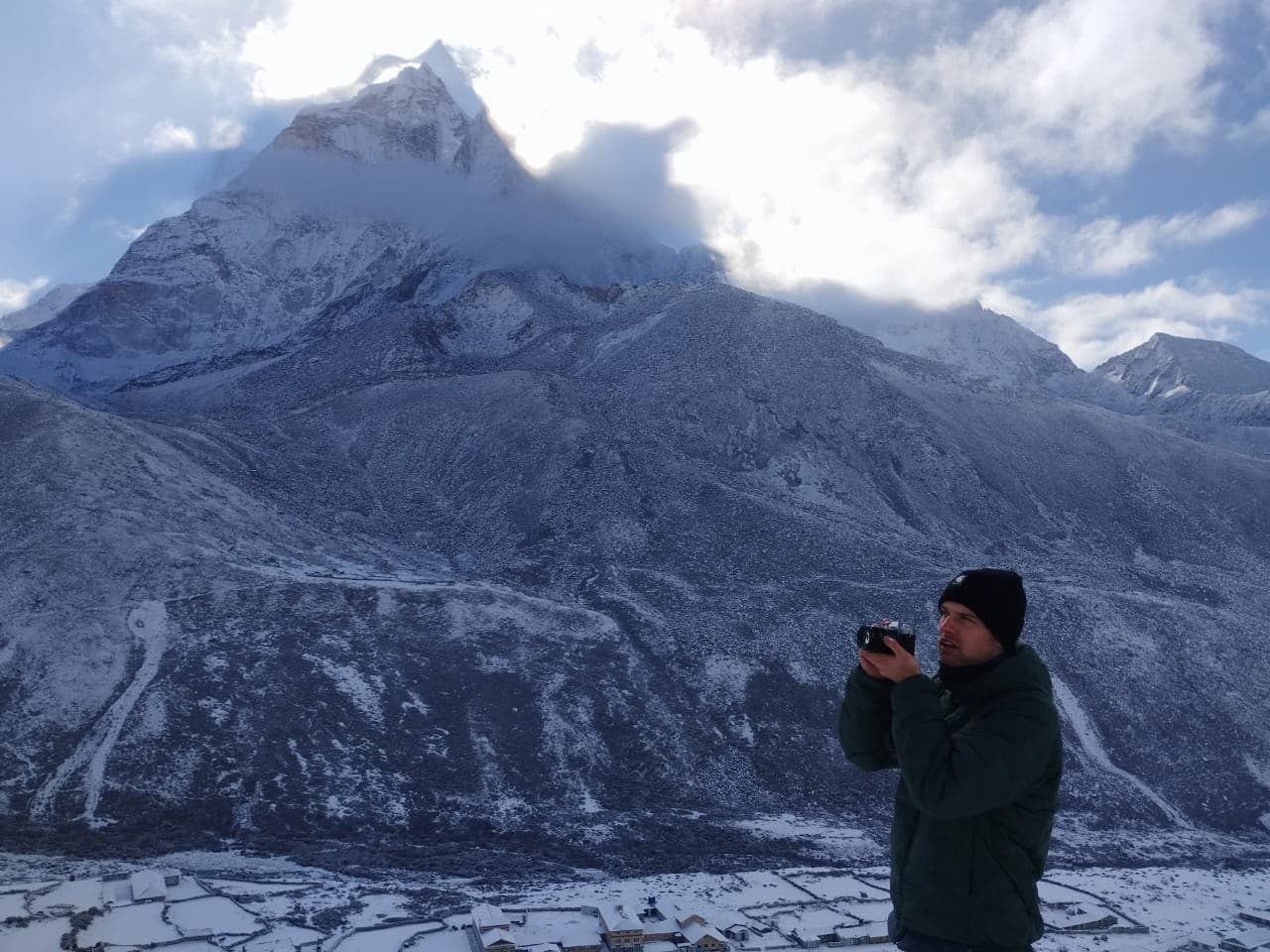
Ama Dablam Base Camp Trek: Experience the breathtaking beauty of the Himalayas with Female Guide Holiday Pvt Ltd on an unforgettable journey to Ama Dablam Base Camp. This carefully crafted 12-day itinerary is designed for adventurers who seek to immerse themselves in the natural splendor and rich culture of Nepal. As you trek through the Khumbu region, you’ll encounter stunning landscapes, from lush forests and terraced fields to rocky mountain trails, all under the watchful gaze of some of the world’s highest peaks.
Your journey begins in the vibrant capital city of Kathmandu, where the hustle and bustle of local markets and the serenity of ancient temples provide a perfect backdrop for your adventure. After a scenic flight to Lukla, the gateway to the Everest region, you’ll set off on foot, following the trails that have been traversed by countless trekkers and climbers over the years. Each day offers new experiences, from interacting with local Sherpa communities and learning about their customs to marveling at the iconic Ama Dablam, often referred to as the “Matterhorn of the Himalayas.”
Throughout the trek, you’ll have the opportunity to acclimatize properly, ensuring your body adjusts to the altitude while enjoying breathtaking vistas and unique cultural encounters. With comfortable teahouse accommodations and expert guidance from our experienced team, you can focus on the journey ahead, creating lasting memories against the backdrop of towering peaks and stunning valleys. Join us for this remarkable adventure, where every step brings you closer to the heart of the Himalayas!
Best Time to Trek
The best time for the Ama Dablam Base Camp Trek is spring (March to May) and autumn (September to November), when the weather is generally more stable, mountain views are clearer, and trekking conditions are favorable. These seasons offer beautiful views of Ama Dablam, Everest, Lhotse, and other Himalayan peaks.
- Spring (March–May): Mild daytime temperatures, blooming rhododendrons at lower elevations, and favorable trekking conditions. Snow may remain at higher elevations.
- Autumn (September–November): Clear skies, excellent mountain visibility, and generally dry trails make this one of the most popular trekking seasons.
- Winter (December–February): Colder temperatures, possible snowfall, icy trails, and freezing nights at higher elevations require suitable clothing and careful planning.
- Monsoon (June–August): Rain, cloud cover, slippery trails, and possible flight disruptions can make trekking more challenging.
For the best overall experience, Female Guide Holiday recommends planning the Ama Dablam Base Camp Trek in spring or autumn. Weather conditions can change rapidly in the Himalayas, so flexibility is important in every season.
Difficulty Level
The Ama Dablam Base Camp Trek is considered to be of moderate difficulty, making it accessible for trekkers with a reasonable level of fitness and prior hiking experience. The trek involves several days of ascending to high altitudes, with the highest point reaching 4,575 meters at the base camp. Trekkers should be prepared for varying terrain, including rocky paths and steep ascents, as well as changes in weather conditions. While acclimatization days are built into the itinerary to help manage altitude sickness, participants should be in good health, capable of walking for 5-8 hours each day, and willing to embrace the challenges of a high-altitude trek. Proper preparation, including physical training and packing the right gear, will greatly enhance the experience and enjoyment of this remarkable adventure in the Himalayas.
Lukla Flight and Alternative Transportation
The Ama Dablam Base Camp Trek usually begins with a flight to Lukla from Kathmandu or, during busy trekking seasons, from Ramechhap/Manthali following a road transfer from Kathmandu. The flight offers spectacular views of the Himalayan landscape, but schedules depend on weather conditions and airline operations.
During peak seasons, flights may operate from Ramechhap to Lukla, requiring approximately four to five hours of road travel from Kathmandu, depending on traffic and road conditions. Travelers should confirm the departure airport and transfer arrangements before their trip.
If flights are delayed or cancelled, alternatives may include waiting for the next available flight, arranging a helicopter transfer where operationally possible, or considering a suitable overland route toward the Everest region. Road and trekking alternatives can be time-consuming and may require itinerary changes.
Female Guide Holiday recommends keeping a buffer day after the trek before an international departure. Alternative transportation, additional accommodation, and meals may involve extra costs.
Trekking Guide and Porter Services
A licensed, experienced trekking guide is highly recommended for the Ama Dablam Base Camp Trek. The route passes through high-altitude terrain, traditional Sherpa settlements, and remote mountain areas where weather and trail conditions can change quickly.
A knowledgeable guide assists with navigation, accommodation arrangements, local cultural interpretation, altitude awareness, and communication with local service providers. Guides also help monitor trekkers for symptoms of altitude sickness and coordinate appropriate action when required.
Porters can carry the main trekking luggage, allowing trekkers to walk with a lighter daypack containing water, snacks, warm clothing, personal medication, and essential documents. Porter arrangements and baggage limits should be confirmed before departure.
Female Guide Holiday can arrange experienced guides and porters according to group size, itinerary, and individual requirements. Travelers should treat all trekking staff respectfully and ensure their working conditions and agreed responsibilities are clear.
Wi-Fi and Electricity
Wi-Fi and electricity are available at many teahouses and lodges along the Ama Dablam Base Camp Trek route, particularly in villages such as Lukla, Phakding, Namche Bazaar, and Pangboche. However, connection quality and charging facilities vary by location, weather, and local power supply.
Some lodges charge additional fees for Wi-Fi access and electronic device charging. Internet speeds may be slow, and connections can become unreliable at higher elevations. Electricity may be generated through local hydropower or solar systems, and availability can be limited during poor weather.
Trekkers should carry a fully charged power bank, suitable charging cables, and a compatible travel adapter. Keep electronic devices warm and protected from moisture, especially at higher elevations.
Photography Restrictions and Permissions
The Ama Dablam Base Camp Trek offers excellent photography opportunities, including mountain panoramas, Buddhist monasteries, prayer flags, traditional Sherpa villages, suspension bridges, and Himalayan landscapes.
Travelers are generally welcome to photograph natural scenery and public trails. However, it is respectful to ask permission before photographing local people, monks, religious ceremonies, or private homes. Some monasteries and religious sites may restrict photography indoors or during ceremonies.
Always follow posted signs and instructions from local authorities. Avoid disturbing wildlife, blocking narrow trails, or compromising safety to capture photographs.
Female Guide Holiday encourages responsible photography that respects local customs, religious traditions, personal privacy, and the natural environment.
Drone Regulations in the Everest Region
Drone use in the Everest region is subject to Nepal's aviation regulations and the requirements of relevant authorities and protected-area management bodies. Permission may be required from multiple authorities depending on the intended flight location, drone specifications, and purpose of use.
The Ama Dablam region lies within the wider Sagarmatha National Park area, where additional restrictions may apply. Travelers should not assume that a small recreational drone can be flown without authorization.
Before bringing a drone, check the latest requirements with the Civil Aviation Authority of Nepal, Sagarmatha National Park authorities, and other relevant government bodies. Obtain all necessary approvals before operating the device.
Unauthorized drone flights may result in penalties, confiscation, or other legal consequences. Female Guide Holiday recommends confirming the regulations well before departure and avoiding drone use unless all required permissions have been secured.
Mobile Network and Communication
Mobile network coverage is available in several settlements along the Ama Dablam Base Camp Trek, including Lukla, Namche Bazaar, and some villages farther along the route. However, signal strength varies, and connectivity may be intermittent or unavailable in remote areas.
Travelers can purchase a local SIM card in Kathmandu, with providers such as Ncell and Nepal Telecom offering coverage in parts of the Everest region. Network performance depends on location, terrain, weather, and the provider's infrastructure.
Trekkers should download offline maps, save important contact details, and inform family members that regular communication may not always be possible. Do not rely exclusively on mobile phones for emergency communication.
Female Guide Holiday guides can help with local communication and coordination when network access is available.
Meals
During the Ama Dablam Base Camp Trek, meals play an essential role in fueling your adventure and experiencing local culture. Most teahouses along the trekking route offer a variety of meal options, blending traditional Nepali cuisine with international dishes. Breakfast typically includes hearty items like porridge, eggs, toast, and fresh fruit, providing the energy needed for a day of trekking.
For lunch and dinner, you can expect a diverse menu featuring staple dishes such as dal bhat (rice and lentil soup), which is a local favorite, along with noodles, fried rice, and vegetable curries. Many teahouses also offer meat dishes and a selection of Western options like pizza and pasta, catering to different dietary preferences.
While meals are generally simple, they are hearty and designed to replenish your energy after a long day of trekking. Dining is often a communal experience, allowing you to share stories and connect with fellow trekkers. It’s important to remember that food hygiene may vary, so opting for freshly prepared meals and drinking boiled or purified water is advisable. Overall, the meals during your trek will not only nourish your body but also provide a glimpse into the culinary traditions of the region.
Drinking Water
Staying hydrated is crucial during the Ama Dablam Base Camp Trek, especially at high altitudes where the body can easily become dehydrated. Throughout the trek, you have several options for drinking water. Many teahouses along the route provide boiled water, which is a safe choice, often available for a small fee. Alternatively, you can purchase bottled water at various points, though this can become costly and contribute to plastic waste in the region.
To minimize your environmental impact, consider bringing a water purification system, such as purification tablets or a filter. This allows you to treat tap water from teahouses, making it safe to drink and reducing the reliance on single-use plastic bottles. Additionally, carrying a reusable water bottle or hydration bladder is advisable for easy access to water while trekking. Aim to drink regularly, even if you don’t feel thirsty, as proper hydration will help maintain your energy levels and reduce the risk of altitude sickness. By being mindful of your water sources and hydration practices, you can ensure a healthier and more enjoyable trekking experience.
Environment
The Ama Dablam Base Camp Trek takes you through some of the most pristine and breathtaking environments in the Himalayas. Trekking through Sagarmatha National Park, you will encounter diverse ecosystems, including lush forests, alpine meadows, and stark mountain landscapes. The region is home to a variety of flora and fauna, with stunning rhododendron blooms in the spring and unique wildlife like Himalayan tahr and pheasants. The trek also emphasizes the importance of environmental conservation, as many local initiatives work to preserve the delicate ecosystems of the Himalayas. Trekkers are encouraged to practice Leave No Trace principles, minimizing their impact on this beautiful but fragile environment.
Risk Management
Risk management is a critical aspect of preparing for the Ama Dablam Base Camp Trek, as trekking in high-altitude environments involves inherent risks. To minimize these risks, it’s essential to prioritize acclimatization by following the itinerary carefully, allowing your body to adjust to altitude changes gradually. Understanding the symptoms of altitude sickness—such as headaches, nausea, and dizziness—is vital, and trekkers should be prepared to descend if symptoms worsen. Additionally, choosing a reputable trekking company like Female Guide Holiday Pvt Ltd ensures you have experienced guides who can provide support and make informed decisions regarding safety.
Physical fitness is another key component of risk management. Prior to your trek, engage in a training regimen that includes cardiovascular activities and strength training to build endurance. Proper gear is also crucial; invest in high-quality clothing and footwear suitable for varying weather conditions and terrain. Always carry essential safety equipment, such as a first aid kit, water purification methods, and navigation tools.
Lastly, obtaining comprehensive travel insurance that covers trekking activities is important for financial protection against unforeseen circumstances, such as medical emergencies or trip cancellations. By taking these proactive measures, you can significantly reduce risks and enhance your overall trekking experience, allowing you to enjoy the beauty of the Himalayas with greater peace of mind.
Physical Fitness Requirement
Preparing for the Ama Dablam Base Camp Trek requires a moderate level of physical fitness, as the trek involves several days of walking at high altitudes and varying terrain. Trekkers should ideally engage in a fitness regimen several weeks or months before the trek to build endurance and strength. A combination of cardiovascular exercises—such as running, cycling, or swimming—alongside strength training focusing on the legs, core, and upper body will be beneficial. Aim for at least 3-4 sessions per week, gradually increasing the duration and intensity.
Trekking experience is also advantageous, so consider undertaking shorter hikes in similar conditions, particularly at higher elevations if possible. This will not only help you adapt to walking on uneven terrain but also familiarize you with the physical demands of multi-day trekking.
It’s important to listen to your body during training and allow for rest and recovery to avoid injury. Hydration and nutrition play critical roles as well; maintaining a balanced diet rich in carbohydrates, proteins, and healthy fats will support your energy levels. By ensuring you’re physically prepared, you’ll enhance your trekking experience and enjoy the stunning beauty of the Himalayas with greater ease and confidence.
Accommodation
During the Ama Dablam Base Camp Trek, trekkers can expect a mix of cozy teahouses and lodges that provide basic yet comfortable accommodations along the route. In lower-altitude areas, such as Kathmandu and Lukla, you’ll find a range of hotels and guesthouses that cater to various budgets, offering amenities like hot showers and Wi-Fi.
As you trek higher into the Khumbu region, accommodations become simpler, typically consisting of teahouses run by local families. These teahouses offer shared rooms with twin beds, basic bedding, and communal dining areas where you can enjoy meals with fellow trekkers. While facilities may be basic, they provide a warm and welcoming atmosphere, allowing you to experience local culture firsthand.
Most teahouses have shared bathrooms, and hot showers may be available for an additional fee. It’s important to remember that the higher you go, the more basic the accommodations may become, but the stunning views and the sense of community more than make up for it. Staying in these teahouses also supports the local economy and enhances your trekking experience by connecting you with the Sherpa way of life. Overall, the accommodations on the Ama Dablam Base Camp Trek ensure a comfortable stay as you immerse yourself in the breathtaking beauty of the Himalayas.
What to Expect on the Ama Dablam Base Camp Trek
On the Ama Dablam Base Camp Trek, you can expect an unforgettable adventure filled with stunning scenery and rich cultural experiences. As you traverse breathtaking landscapes, you’ll be treated to majestic views of iconic peaks like Ama Dablam and other towering Himalayan peaks, alongside lush valleys and charming villages. The trek presents a physical challenge, with varied terrain that includes steep ascents and rocky paths, necessitating a good level of fitness and stamina.
Acclimatization days are incorporated into the itinerary to help your body adjust to higher altitudes, where you may experience changes in air pressure and oxygen levels. Accommodations will range from comfortable lodges in Kathmandu to basic teahouses along the route, fostering a warm and communal atmosphere for sharing meals and stories with fellow trekkers. Be prepared for variable weather conditions, requiring layered clothing for changing temperatures. Throughout the journey, you’ll not only be immersed in the breathtaking natural beauty but also engage with the vibrant Sherpa culture, creating lasting memories and friendships along the way.
Money, ATMs, and Cash Payments
The Nepalese rupee (NPR) is the main currency used throughout the Ama Dablam Base Camp Trek. ATMs and money exchange facilities are available in Kathmandu, while Namche Bazaar has limited banking and ATM services. However, ATMs may be out of service, have withdrawal limits, or run short of cash.
Cash is essential for personal expenses in the Everest region. Many teahouses and small shops do not accept international credit or debit cards, and card payments may involve additional charges where available.
Trekkers should withdraw enough Nepalese rupees in Kathmandu or Namche Bazaar to cover snacks, hot showers, Wi-Fi, charging, tips, and other personal purchases. Keep cash in a secure, waterproof pouch and carry smaller denominations for convenience.
Female Guide Holiday recommends reviewing the package inclusions and exclusions before departure so that you can budget appropriately for additional expenses.
Baggage Allowance and Luggage Storage
Baggage allowances on flights to Lukla are generally more restrictive than those on international flights. The permitted weight depends on the airline, aircraft, and ticket conditions. Travelers should confirm the current checked-baggage and hand-luggage limits before departure.
Excess baggage may incur additional charges or may need to be transported separately, depending on airline capacity and operating conditions.
During the trek, porters can carry the main luggage according to the agreed porter arrangement and load limit. Trekkers should carry a daypack with essential personal items, including water, snacks, rain protection, warm layers, medication, and valuables.
Extra luggage can often be stored at a hotel in Kathmandu, subject to the hotel's storage policy. Female Guide Holiday can advise on packing arrangements and baggage storage options before the trek.
Altitude Sickness and Trekking Safety
Altitude sickness is an important consideration on the Ama Dablam Base Camp Trek because the route reaches elevations where reduced oxygen availability can affect the body. Symptoms may include headache, nausea, dizziness, fatigue, loss of appetite, and difficulty sleeping.
To reduce the risk, trekkers should follow a gradual itinerary, walk at a steady pace, drink adequate fluids, eat regularly, and avoid excessive exertion. Avoid alcohol during acclimatization and tell your guide immediately if you develop symptoms.
Severe or worsening symptoms, particularly breathlessness at rest, confusion, difficulty walking straight, or a persistent cough with breathing problems, require urgent medical assessment and descent when indicated. Do not continue ascending while experiencing symptoms of altitude sickness.
Travelers should obtain travel insurance that explicitly covers trekking at the planned maximum altitude and emergency helicopter evacuation. The guide's role is to assist with safety and coordination, but no itinerary can eliminate all altitude-related risks.
Female Guide Holiday prioritizes responsible acclimatization, regular communication, and safety-focused decisions throughout the trek.
Responsible Trekking and Environmental Protection
Responsible trekking helps preserve the natural beauty and cultural heritage of the Everest region. Visitors should use designated trails, dispose of waste appropriately, minimize single-use plastics, conserve water and electricity, and respect wildlife and protected habitats.
Ask before photographing local people, do not remove plants or natural objects, and follow the guidance of park authorities and local communities. Supporting locally operated teahouses, shops, and services also contributes to the livelihoods of people living in the Khumbu region.
Female Guide Holiday encourages all trekkers to travel responsibly and help protect the Himalayan environment for future generations.
Tipping for Guides and Porters
Tipping is customary in Nepal's trekking industry but remains a personal choice based on service quality, satisfaction, group size, and trip duration. Travelers may choose to tip their trekking guide and porter at the end of the journey to recognize their assistance, professionalism, and hard work.
There is no single fixed amount appropriate for every trek, so consider your budget and the services provided. If traveling in a group, you may collect contributions and distribute tips fairly among the team.
Guide and porter wages should be distinguished from optional tips when reviewing your trekking package.
Personal Expenses and Additional Costs
Before booking the Ama Dablam Base Camp Trek, travelers should understand which services are included in the package and which require additional payment.
Personal expenses may include snacks, bottled or treated drinking water, hot showers, Wi-Fi, device charging, alcoholic beverages, laundry, tips, and extra meals. Additional accommodation, transportation, flight changes, or helicopter transfers resulting from delays or emergencies may also incur substantial costs.
Female Guide Holiday recommends reviewing the inclusions and exclusions carefully before departure and carrying sufficient cash to cover personal purchases and unexpected expenses.
Lukla Flight and Weather Information
During the peak trekking seasons—March, April, May, September, October, and November flights to and from Lukla will be rerouted to Manthali/Ramechhap. This change helps alleviate congestion at Tribhuvan International Airport in Kathmandu and aims to reduce the risk of flight cancellations.
For those participating in the Everest Base Camp trek, please note that the trekking times provided in your itinerary are approximate and should be used as general guidelines. The actual trek duration can vary depending on your pace and current trail conditions. For the peak trekking seasons in spring (March) and autumn (September to October), flights between Kathmandu and Lukla will now be operated from Manthali Airport in Ramechhap. This adjustment has been made to alleviate the traffic congestion at Kathmandu’s Tribhuvan International Airport and to reduce the likelihood of flight cancellations.
This change means that on the first day of your trek, you will need to start your journey early to accommodate the drive from Kathmandu to Manthali Airport, which typically takes between 3 to 4 hours. This drive is necessary to catch your flight to Lukla. While this alteration will require some additional travel time on the first day, it will not impact the overall trekking itinerary.
Once you arrive at Manthali Airport, you will board a flight to Lukla as usual, and the rest of your trek will proceed as planned. This modification is designed to enhance the reliability of your travel arrangements and ensure a smoother start to your adventure.
Flight Delays and Extra Accommodation
Flights to and from Lukla are particularly sensitive to changing mountain weather and visibility. Delays or cancellations can affect the start or completion of the Ama Dablam Base Camp Trek, resulting in additional nights in Kathmandu, Ramechhap, or Lukla.
Travelers should allow a buffer day after the trek before connecting to international flights and avoid arranging tight onward connections. Extra accommodation, meals, alternative transportation, and flight changes may incur additional charges depending on the circumstances and booking terms.
Female Guide Holiday will assist with available alternatives when disruptions occur, but flight schedules and weather-related outcomes cannot be guaranteed.
Booking and Deposit Requirements
Booking is recommended for the Ama Dablam Base Camp Trek, particularly during spring and autumn when flights and accommodation can be in high demand. To confirm a reservation, travelers should review the itinerary, package inclusions and exclusions, cancellation policy, and payment terms before making the required deposit.
Passport details may be needed for domestic flight bookings and trekking arrangements. Any remaining balance should be paid according to the agreed booking conditions.
Travelers should retain their booking confirmation and payment receipts and contact Female Guide Holiday if they need to discuss changes to their travel plans.
Is the Ama Dablam Base Camp Trek Suitable for Solo Travelers?
Yes, the Ama Dablam Base Camp Trek can be suitable for solo travelers who are physically prepared, comfortable with mountain walking, and aware of the challenges of high-altitude trekking.
Traveling with an experienced local guide can provide additional support with navigation, accommodation, cultural understanding, and emergency coordination. Solo travelers should share their itinerary with a trusted contact, carry essential supplies, and avoid making decisions that compromise safety to maintain a schedule.
Female Guide Holiday can help arrange a private trek, including guide and porter services according to the traveler's requirements and budget.
What Happens If I Need to Change My Trekking Itinerary?
Changes to the Ama Dablam Base Camp Trek itinerary may be necessary because of weather conditions, flight availability, health concerns, trail conditions, or other unexpected circumstances.
If a change is required, your guide and Female Guide Holiday will assess the available options and discuss practical alternatives with you. Any revised arrangements depend on safety, time, local conditions, and service availability.
Additional costs may apply if the change requires extra accommodation, transportation, meals, or staff services. The original itinerary is a planned schedule rather than a guarantee that every activity or transfer will take place exactly as intended.
Cancellation Policy
1. Cancellation by the Participant
If a participant wishes to cancel their booking for the Ama Dablam Base Camp Trek – 11 Days, they must notify Female Guide Holiday in writing by email or through an official communication channel. Cancellation charges will apply according to the following schedule:
- 45–60 days before departure: 35% of the total trip cost will be charged as a cancellation fee.
- 30–44 days before departure: 50% of the total trip cost will be charged as a cancellation fee.
- 15–29 days before departure: 70% of the total trip cost will be charged as a cancellation fee.
- 7–14 days before departure: 85% of the total trip cost will be charged as a cancellation fee.
- Less than 7 days before departure: 100% of the total trip cost will be charged as a cancellation fee.
These charges cover administrative expenses and costs associated with bookings, domestic flights to and from Lukla, accommodation, trekking permits, guide and porter arrangements, transportation, and other services organized for the trek. Payments made to airlines, hotels, and other service providers may be non-refundable, depending on their respective terms and conditions.
Participants are encouraged to review the cancellation terms carefully before confirming their booking and purchasing travel insurance.
2. Cancellation by Female Guide Holiday
If Female Guide Holiday must cancel the Ama Dablam Base Camp Trek before departure due to operational reasons or circumstances within the company's control, participants will be informed as soon as reasonably possible and offered an appropriate refund or the option to reschedule, subject to mutual agreement and the applicable booking terms.
If cancellation becomes necessary due to severe weather, natural disasters, government restrictions, flight disruptions, or other circumstances beyond the company's reasonable control, the provisions of the Force Majeure Clause will apply.
The safety and well-being of participants, trekking guides, porters, and support staff remain the priority of Female Guide Holiday.
Force Majeure Clause
Female Guide Holiday shall not be held liable for delays, cancellations, itinerary changes, or interruptions caused by circumstances beyond its reasonable control. Such circumstances, known as force majeure events, may include but are not limited to:
- Earthquakes, floods, landslides, avalanches, and other natural disasters.
- Extreme weather conditions affecting trekking trails, mountain flights, or transportation to and from Lukla.
- Flight delays, cancellations, airport closures, or changes to airline operating schedules.
- Political unrest, strikes, civil disturbances, or border closures.
- Epidemics, pandemics, public health emergencies, or government-imposed restrictions.
- Government regulations, national park restrictions, or emergency measures affecting trekking activities.
- Road blockages, transportation disruptions, or other unforeseen events that affect access to the Everest region.
Refunds and Unused Services
If the Ama Dablam Base Camp Trek is interrupted, postponed, or cancelled due to a force majeure event, any refund will depend on recoverable payments from airlines, hotels, lodges, transportation providers, and other service providers, as well as non-refundable expenses already incurred and the applicable booking terms.
Female Guide Holiday will make reasonable efforts to recover eligible payments and assist participants with alternative arrangements wherever possible. However, refunds for unused services cannot be guaranteed when the costs have already been incurred or are non-refundable under supplier policies.
Any eligible refund will be calculated in accordance with the agreed booking terms and applicable law. Participants are encouraged to contact their travel insurance provider regarding eligible costs arising from flight disruptions, emergency evacuation, trip interruption, or extended accommodation.
Female Guide Holiday is committed to handling unexpected situations responsibly, maintaining clear communication, and prioritizing the safety of all participants throughout the Ama Dablam Base Camp Trek.