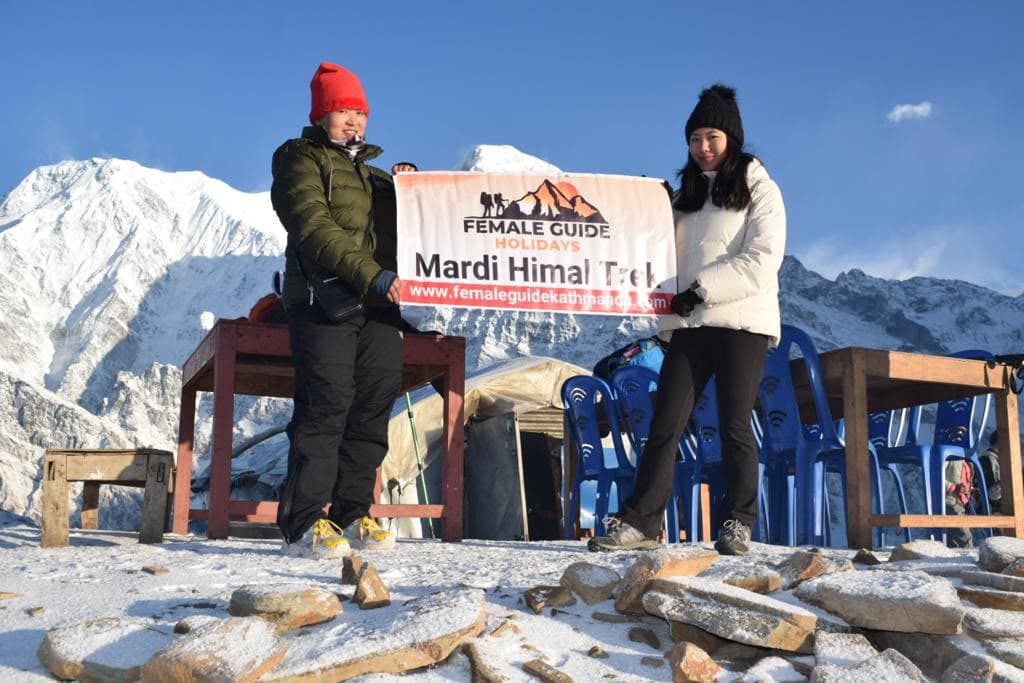
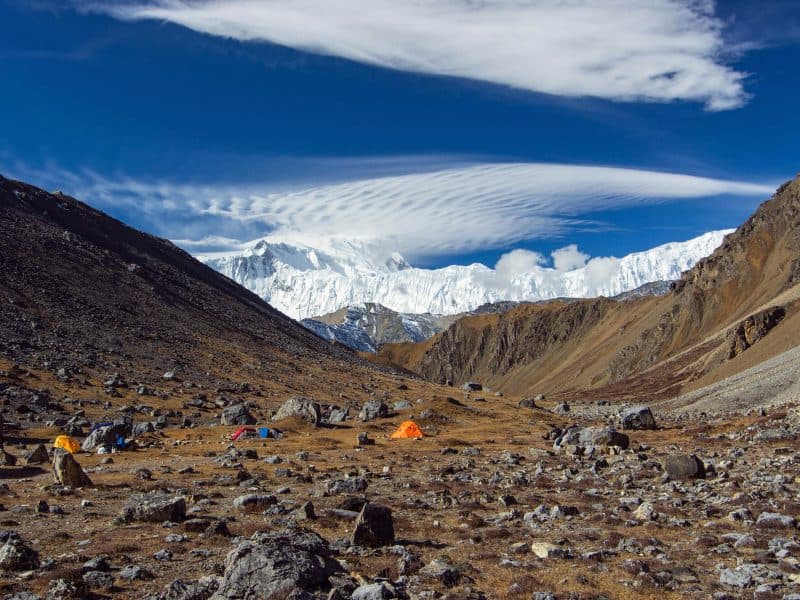
The Mardi Ridge Trek – 10 Days is a rewarding Himalayan adventure in Nepal’s Annapurna region, offering spectacular mountain views, peaceful forest trails, traditional Gurung villages, and beautiful landscapes. This trek is an excellent choice for travelers seeking a memorable Himalayan experience without committing to a long or highly demanding expedition.
The journey takes you through lush rhododendron forests, terraced farmland, charming mountain settlements, and scenic ridgelines with panoramic views of the Annapurna range, Machhapuchhre (Fishtail), and Mardi Himal. As you gain altitude, the landscape gradually changes from green hills and dense forests to alpine meadows and rugged mountain terrain.
The highlight of the Mardi Ridge Trek is reaching the scenic ridge viewpoints, where you can enjoy breathtaking views of snow-capped Himalayan peaks and the surrounding valleys. Along the route, you will experience the warm hospitality of local communities and gain insight into the traditional culture and lifestyle of the Annapurna region.
With a well-planned 10-day itinerary, the trek allows time to explore the trail, enjoy the mountain scenery, and adjust gradually to increasing altitude. Accommodation is generally provided in local teahouses or lodges, offering a comfortable and authentic trekking experience.
The best seasons for the Mardi Ridge Trek are spring (March to May) and autumn (September to November), when the weather is generally favorable, and mountain views are often clear. With proper preparation, suitable trekking gear, and guidance from an experienced trekking guide, the Mardi Ridge Trek is an excellent option for nature lovers, adventure seekers, couples, and travelers looking for a scenic Himalayan escape with Female Guide Holiday.
Best Time to Trek
The best time to visit the Mardi Ridge Trek in Nepal is during spring (March to May) and autumn (September to November). These seasons generally offer favorable trekking conditions, pleasant daytime temperatures, and excellent opportunities to enjoy views of the Annapurna range and Machhapuchhre (Fishtail).
Spring (March to May): Spring is one of the most beautiful times for the Mardi Ridge Trek. Rhododendron forests bloom in shades of red, pink, and white, while the hills become greener and the mountain scenery is spectacular. Temperatures gradually rise, making the trek comfortable at lower elevations, although mornings and nights remain cold at higher viewpoints.
Autumn (September to November): Autumn is ideal for clear mountain views, relatively stable weather, and comfortable trekking conditions. The air is often crisp after the monsoon, providing excellent visibility of the Annapurna range, Machhapuchhre, and surrounding Himalayan landscapes. This is also a popular season, so booking accommodation and guides in advance is recommended.
Summer and Monsoon (June to August): Heavy rainfall can make trails muddy and slippery, with increased risks of landslides, leeches, and reduced mountain visibility. Trekking is still possible during suitable weather windows, but flexibility and appropriate rain gear are essential.
Winter (December to February): Winter offers quieter trails and beautiful snowy landscapes at higher elevations. However, temperatures can fall significantly, and snowfall or icy paths may affect access to ridge viewpoints. Warm clothing, suitable footwear, and guidance from an experienced trekking guide are important.
Difficulty Level
The Mardi Ridge Trek is generally considered a moderate trek, suitable for travelers with reasonable fitness and a willingness to walk for several hours each day. The route includes forest trails, stone steps, uphill climbs, downhill sections, and exposed ridgelines. Some sections become more demanding as altitude increases and the terrain becomes steeper.
Trekkers should be prepared for approximately 4–7 hours of walking on many trekking days, depending on the itinerary, weather, trail conditions, and walking pace. The highest viewpoints can be physically challenging because of the elevation and changing weather.
Previous trekking experience is helpful but not always necessary. Regular walking, stair climbing, and cardiovascular exercise before departure can improve comfort and endurance. Trekkers should maintain a steady pace, stay hydrated, and inform their guide if they experience unusual fatigue, dizziness, headache, or breathing difficulties.
Trekking Guide and Porter Services
Hiring an experienced trekking guide can make the Mardi Ridge Trek safer, more comfortable, and more informative. A knowledgeable local guide can assist with route navigation, accommodation arrangements, cultural interpretation, weather updates, and communication with local communities. Female Guide Holiday can arrange qualified trekking guides according to your itinerary, group size, and preferences.
Porters are available to carry the main trekking luggage, allowing you to walk with a lighter daypack containing water, snacks, extra layers, personal medication, and essential items. Porter services should be arranged in advance, and luggage weight should remain within the agreed limit.
Although trekking independently may be possible in some circumstances, travelers should check current local regulations and permit requirements before departure. For a more organized experience, booking a guide and porter through Female Guide Holiday helps coordinate the necessary arrangements and support during the trek.
Wi-Fi and Electricity
Wi-Fi and electricity are available at many teahouses and lodges along the Mardi Ridge Trek route, particularly in lower villages and established trekking stops. However, connection quality and charging facilities vary by location, weather, and local infrastructure.
Some accommodations charge an additional fee for Wi-Fi access or electronic device charging. Internet speeds may be slow or unreliable, especially during busy periods or in higher and more remote areas. Mobile data may provide an alternative where network coverage is available.
Trekkers should carry a power bank and charge their devices whenever convenient. A suitable travel adapter is also recommended. Because electricity and internet access cannot be guaranteed throughout the route, download offline maps, keep important documents accessible, and inform family or friends that communication may occasionally be limited.
Accommodation
During the Mardi Ridge Trek, accommodation is generally provided in local teahouses and community lodges along the trekking route. Rooms are usually basic, with twin-sharing arrangements and shared bathroom facilities in many locations. Facilities become more limited at higher elevations, and hot showers, charging facilities, and Wi-Fi may be available for an additional fee. Accommodation standards vary by village, so trekkers should be prepared for simple but welcoming mountain hospitality.
Meals
Meals during the trek are served at local teahouses and community lodges. Common options include traditional Nepali dal bhat, noodles, fried rice, pasta, potatoes, soups, eggs, porridge, pancakes, and other basic vegetarian and non-vegetarian dishes, depending on availability. A balanced diet with sufficient carbohydrates and fluids is recommended to maintain energy during daily walks. Please inform Female Guide Holiday in advance about any dietary requirements or food allergies.
Drinking Water
Drinking water is available at teahouses and local lodges along the Mardi trekking route. Trekkers can purchase boiled or filtered water where available or refill reusable bottles at designated water points. To reduce plastic waste, we recommend carrying a reusable water bottle and a suitable water purification method, such as purification tablets or a filter. Avoid drinking untreated water directly from streams, taps, or other natural sources.
Travel Insurance
Comprehensive travel insurance is strongly recommended for the Mardi Ridge Trek. Your policy should cover trekking at the maximum altitude specified in your itinerary, emergency medical treatment, helicopter evacuation, and trip cancellation or interruption. Check the policy exclusions carefully before departure, as some standard travel insurance policies do not cover trekking at higher elevations or emergency rescue. Trekkers are responsible for arranging their own insurance and should carry proof of coverage during the trip.
Passport and Visa
International visitors travelling to Nepal must carry a valid passport and meet Nepal's current entry and visa requirements. Many foreign nationals can obtain a tourist visa on arrival at Tribhuvan International Airport in Kathmandu, while others may need to arrange a visa in advance. Visa conditions depend on nationality, so check the latest requirements before travelling. We recommend keeping digital and printed copies of your passport, visa, travel insurance, and emergency contact details. Please ensure your passport remains valid for the period required by Nepal's immigration rules and your airline.
TIMS and Trekking Permits
The permits required for the Mardi Ridge Trek depend on the final itinerary and the latest regulations for the Annapurna region. The Annapurna Conservation Area Permit (ACAP) is generally required for trekking in this area. Trekking Information Management System (TIMS) requirements and any applicable guide or registration rules may change, so these should be confirmed before departure through the relevant Nepal tourism authorities or your trekking company.
Female Guide Holiday can advise you on the applicable permits and help coordinate the required arrangements. Trekkers should provide the necessary passport details and photographs in advance if requested for permit processing. Carry your permits during the trek, as they may be checked at designated checkpoints.
Photography Restrictions and Permissions
The Mardi Ridge Trek offers excellent opportunities for landscape photography, including panoramic views of the Annapurna range, Machhapuchhre, forest trails, traditional villages, and local life. Trekkers are welcome to photograph natural scenery and their trekking experiences while respecting local customs and privacy.
Always ask permission before photographing local residents, children, religious ceremonies, or private property. Follow instructions at monasteries, temples, and other cultural or religious sites, as photography may be restricted in certain areas.
Avoid disturbing wildlife, damaging vegetation, or leaving the designated trail to obtain photographs. Weather can change quickly along exposed ridges, so stop in a safe place before taking pictures and avoid walking while distracted by your camera or phone.
Drone Regulations in the Mardi Ridge Region
Drone use in Nepal is subject to applicable aviation regulations and restrictions imposed by relevant authorities. Additional permissions may be required depending on the location, flight altitude, purpose, and type of drone. Protected areas and sensitive locations may have further restrictions.
Before bringing or operating a drone during the Mardi Ridge Trek, check the latest requirements with the Civil Aviation Authority of Nepal and the relevant conservation-area authorities. Obtain all necessary approvals before flying and never assume that a drone can be operated freely simply because the location is remote.
Do not fly near airports, aircraft, settlements, crowds, wildlife, or restricted sites. Avoid disturbing other trekkers and local communities. If the required permissions cannot be confirmed, leave the drone at home or keep it unused during the trek.
Mobile Network and Communication
Mobile network coverage along the Mardi Ridge Trek varies depending on the village, elevation, terrain, and service provider. Network access is generally more reliable in populated areas and may become intermittent along forest trails, higher ridges, and remote viewpoints.
Coverage from Nepalese mobile operators such as Ncell and Nepal Telecom may be available in some locations, but service should not be expected everywhere. Trekkers who need a local SIM card can arrange one in Kathmandu or Pokhara, subject to identification requirements and current service availability.
Download offline maps, save your guide's contact details, and keep emergency contacts accessible before leaving areas with reliable connectivity. A phone should not be considered the only means of emergency communication, particularly in remote or exposed sections of the route.
Money, ATMs, and Cash Payments
The official currency of Nepal is the Nepalese rupee (NPR). ATMs and banking facilities are available in major cities such as Kathmandu and Pokhara, but access becomes limited once you begin trekking in the Annapurna region.
Carry enough Nepalese cash to cover personal expenses, snacks, drinks, hot showers, charging fees, Wi-Fi, tips, and other purchases not included in your trekking package. Smaller banknotes are useful because remote lodges and small shops may not be able to provide change for large notes.
Credit and debit card payments are not consistently available along trekking trails. It is best to withdraw or exchange money in Kathmandu or Pokhara before starting the trek. Keep your cash secure and separate from your passport and other important documents.
Baggage Allowance and Luggage Storage
For the Mardi Ridge Trek, it is advisable to carry a comfortable daypack containing water, snacks, rain protection, sunscreen, personal medication, a camera, and extra clothing layers. If you hire a porter, your main trekking bag can be carried separately, subject to the agreed luggage limit and porter arrangements.
Avoid packing unnecessary items, as carrying heavy luggage can make uphill sections more tiring. Keep valuables, travel documents, cash, electronic devices, and essential medication in your daypack rather than in porter-carried luggage.
If you have additional luggage that is not required for the trek, you can usually arrange storage through your hotel in Pokhara or Kathmandu, subject to the hotel's policies and availability. Confirm storage arrangements before departure and keep valuable items secure.
Altitude Sickness and Trekking Safety
Although the Mardi Ridge Trek is shorter than many high-altitude Himalayan expeditions, the elevation can still cause altitude-related symptoms, especially for travelers who ascend too quickly or are not accustomed to mountain environments.
Common symptoms of acute mountain sickness (AMS) include headache, nausea, dizziness, fatigue, and loss of appetite. Trekkers should ascend gradually, drink fluids regularly, eat properly, and allow adequate time for rest and acclimatization where needed.
If symptoms develop or worsen, inform your guide immediately and do not continue ascending while unwell. Severe headache accompanied by confusion, difficulty walking, or breathlessness at rest requires urgent medical attention and descent. Do not rely on medication alone to continue trekking through worsening symptoms.
Weather conditions can change rapidly along the ridge, particularly during winter and the monsoon. Carry suitable clothing, waterproof layers, sturdy trekking boots, and a headlamp. Follow your guide's advice and avoid exposed sections during thunderstorms, heavy snowfall, or unsafe trail conditions.
Female Guide Holiday encourages all trekkers to prioritize safety over reaching a particular viewpoint or completing the itinerary on schedule.
Responsible Trekking and Environmental Protection
Responsible trekking helps preserve the natural beauty and cultural heritage of the Annapurna region. Trekkers should use designated trails, dispose of waste appropriately, minimize single-use plastics, conserve water and electricity, and respect wildlife and protected habitats.
Ask permission before photographing local people, remove no plants or natural objects, and follow the guidance of conservation-area authorities and local communities. Avoid disturbing animals and keep noise to a minimum in forests and villages.
Supporting locally operated teahouses, shops, and services helps contribute to the livelihoods of people living in the region. Female Guide Holiday encourages all trekkers to travel responsibly and help protect the Himalayan environment for future generations.
Transportation to Pokhara: Flight or Road Travel
Pokhara is the main gateway for many trekking journeys in the Annapurna region, including Mardi Ridge. Travelers can reach Pokhara from Kathmandu by domestic flight or road transportation, depending on their schedule, budget, and preferences.
Flight from Kathmandu to Pokhara: A domestic flight generally takes around 25–30 minutes, subject to the airline schedule and weather conditions. Flying is the quickest option and offers views of Nepal's hills and Himalayan landscapes when visibility permits. Travelers should allow extra time for airport procedures and possible delays.
Road travel from Kathmandu to Pokhara: Tourist buses, private cars, and private vans operate between Kathmandu and Pokhara. The journey commonly takes around 6–9 hours, but traffic, road construction, weather, and seasonal conditions can increase travel time. Tourist buses are generally a more economical option, while private vehicles offer greater flexibility.
Transportation during the trek: Depending on the confirmed itinerary, local road transportation may be arranged between Pokhara and the trek's starting or ending points. Road conditions and vehicle access can vary, particularly during the monsoon season. Confirm the exact pickup point, transfer arrangements, and transportation inclusions with Female Guide Holiday before departure.
Travelers should consider adding a buffer day when connecting with international flights or other time-sensitive arrangements.
Tipping for Guides and Porters
Tipping is customary in Nepal's trekking industry but remains a personal choice based on service quality, satisfaction, group size, and trip duration. Travelers may choose to tip their trekking guide and porter at the end of the journey to recognize their assistance, professionalism, and hard work.
There is no single fixed amount appropriate for every trek, so consider your budget and the services provided. If traveling in a group, you may collect contributions and distribute tips fairly among the team. Guide and porter wages should be distinguished from optional tips when reviewing your trekking package.
Personal Expenses and Additional Costs
Before booking the Mardi Ridge Trek, travelers should understand which services are included in the package and which require additional payment. Personal expenses may include snacks, bottled or treated drinking water, hot showers, Wi-Fi, device charging, alcoholic beverages, laundry, tips, and extra meals.
Additional costs may also arise from extra accommodation, transportation changes, itinerary adjustments, or emergency evacuation. The actual expenses depend on the services used, location, and circumstances.
Female Guide Holiday recommends reviewing the package inclusions and exclusions carefully before departure and carrying sufficient Nepalese cash for personal purchases and unexpected expenses.
Transportation Delays and Extra Accommodation
Road travel between Kathmandu and Pokhara can be affected by traffic congestion, road construction, landslides, heavy rainfall, and other unexpected conditions. Domestic flights may also be delayed or cancelled due to weather or operational issues.
Such disruptions can affect the start or completion of your Mardi Ridge Trek and may require additional accommodation, meals, or transportation. Travelers should allow a buffer day before connecting to international flights and avoid making tight onward travel arrangements.
Female Guide Holiday will assist with available alternatives when disruptions occur. However, additional expenses may apply, and transportation schedules cannot be guaranteed.
Booking and Deposit Requirements
Booking the Mardi Ridge Trek in advance is recommended, particularly during the spring and autumn trekking seasons when accommodation and guide services can be in high demand.
Before confirming your reservation, review the itinerary, package inclusions and exclusions, cancellation policy, and payment terms. A deposit is required according to the agreed booking conditions, and passport details may be needed for travel and trekking arrangements where applicable.
Keep your booking confirmation and payment receipts for reference. If you need to change your travel dates, group size, or requested services, contact Female Guide Holiday as early as possible so the available arrangements and any additional costs can be reviewed.
Is the Mardi Ridge Trek Suitable for Solo Travelers?
Yes, the Mardi Ridge Trek can be suitable for solo travelers who have reasonable fitness and prepare adequately for mountain walking. Solo trekkers can enjoy the forest trails, Himalayan scenery, and local culture at their own pace, subject to the confirmed itinerary and local requirements.
Hiring an experienced guide can provide additional support with navigation, accommodation, weather updates, and emergency coordination. Solo travelers should share their itinerary with a trusted contact, carry essential supplies, and avoid walking alone in poor weather or unfamiliar sections.
Female Guide Holiday can arrange a private trek with guide and porter services according to your preferences, schedule, and budget.
What Happens If I Need to Change My Trekking Itinerary?
Changes to the Mardi Ridge Trek itinerary may be necessary because of weather conditions, trail accessibility, health concerns, transportation disruptions, or other unexpected circumstances.
If a change is required, your guide and Female Guide Holiday will assess the available options and discuss practical alternatives with you. Revised arrangements depend on safety, time, local conditions, and service availability.
Additional costs may apply if changes require extra accommodation, transportation, meals, or staff services. The published itinerary is a planned schedule and cannot guarantee that every activity or transfer will take place exactly as intended.
Cancellation Policy
1. Cancellation by the Participant
If a participant wishes to cancel their booking for the Mardi Ridge Trek – 10 Days, they must notify Female Guide Holiday in writing by email or through an official communication channel. The following cancellation charges apply according to the time remaining before departure:
- 45–60 days before departure: 35% of the total trip cost.
- 30–44 days before departure: 50% of the total trip cost.
- 15–29 days before departure: 70% of the total trip cost.
- 7–14 days before departure: 85% of the total trip cost.
- Less than 7 days before departure: 100% of the total trip cost.
These charges cover administrative expenses and costs associated with accommodation, transportation, permits where applicable, guide and porter arrangements, and other services booked for the trek. Payments made to third-party service providers may be non-refundable under their respective terms and conditions.
Participants are encouraged to review the cancellation terms carefully before confirming their booking and to purchase suitable travel insurance.
2. Cancellation by Female Guide Holiday
If Female Guide Holiday must cancel the trek before departure due to operational reasons within the company's control, participants will be informed as soon as reasonably possible and offered an appropriate refund or the option to reschedule, subject to mutual agreement and the applicable booking terms.
If cancellation becomes necessary due to severe weather, natural disasters, government restrictions, transportation disruptions, or other circumstances beyond the company's reasonable control, the Force Majeure Clause will apply.
The safety and well-being of participants, guides, porters, and support staff remain the priority of Female Guide Holiday.
Force Majeure Clause
Female Guide Holiday shall not be held liable for delays, cancellations, itinerary changes, or interruptions caused by circumstances beyond its reasonable control. Such circumstances may include:
- Earthquakes, floods, landslides, and other natural disasters.
- Extreme weather, heavy snowfall, or unsafe trekking trails.
- Flight cancellations, road closures, and transportation disruptions.
- Political unrest, strikes, civil disturbances, or government restrictions.
- Epidemics, pandemics, public health emergencies, or other unexpected health-related restrictions.
- Conservation-area restrictions or decisions by relevant authorities that affect trekking activities.
Refunds and Unused Services
If the Mardi Ridge Trek is interrupted, postponed, or cancelled due to a force majeure event, any refund will depend on recoverable payments from hotels, lodges, transportation providers, and other service providers, as well as non-refundable expenses already incurred and the applicable booking terms.
Female Guide Holiday will make reasonable efforts to recover eligible payments and assist participants with alternative arrangements wherever possible. However, refunds for unused services cannot be guaranteed when costs have already been incurred or are non-refundable under supplier policies.
Any eligible refund will be calculated according to the agreed booking terms and applicable law. Participants are encouraged to contact their travel insurance provider regarding eligible costs arising from trip interruption, emergency evacuation, or additional accommodation.
Female Guide Holiday is committed to handling unexpected situations responsibly, maintaining clear communication, and prioritizing the safety of all participants throughout the Mardi Ridge Trek.