Menu

24/7 Support
Need help? We are at your service
- 977 9843197098
- [email protected]
- Thamel, Kathmandu, Nepal
Useful links

We are affiliated with:


We are reccommended in:


We accept:

Menu
24/7 Support
Need help? We are at your service
Useful links
We are affiliated with:
We are reccommended in:
We accept:
Duration
9 Days
Group Size
Min. 1 Pax
Difficulty
Moderate
Kathmandu to Lhasa Tour via Everest: Experience an unforgettable 9-day journey from Kathmandu to Lhasa via the breathtaking Everest Base Camp. This captivating expedition is a harmonious blend of Nepal’s vibrant culture and the majestic Tibetan landscapes, where the grandeur of the Himalayas meets the spiritual heart of Tibet. The tour offers a once-in-a-lifetime opportunity to witness the towering peaks of Mount Everest and explore the rich cultural heritage of Tibet, guided by experts who will immerse you in the deep history, culture, and traditions of both regions.
This journey begins in Kathmandu, the cultural capital of Nepal, renowned for its historical landmarks, ancient temples, and unique architecture. After exploring the city’s vibrant atmosphere, you will cross into Tibet and journey through remote landscapes, culminating in the visit to Everest Base Camp, where the beauty of the world’s highest peak will leave you awe-struck.
The Kathmandu to Lhasa Tour provides the perfect combination of adventure and cultural discovery. Each day of the tour is filled with new experiences, from traversing high mountain passes to visiting ancient Tibetan monasteries. With comfortable accommodations, seamless transportation, and expert guides, this tour promises an immersive experience into the heart of the Himalayas.
Tibet, often referred to as the “Roof of the World,” is a vast and stunningly beautiful region located on the Tibetan Plateau in Asia. With an average altitude of over 4,500 meters, it is the highest region on Earth, offering breathtaking landscapes that range from snow-capped mountains and rugged valleys to serene lakes and wide-open plains. Tibet holds deep spiritual significance for Buddhists around the world and is home to some of the most sacred pilgrimage sites, including Mount Kailash, Lake Manasarovar, and the Potala Palace in Lhasa.
Known for its rich cultural heritage, Tibet’s monasteries, prayer flags, and stupas are symbols of the deep-rooted spiritual practices that are an integral part of daily life. Tibetan Buddhism, the dominant religion, is woven into the very fabric of the region’s identity, with influential monasteries like Jokhang Temple and Tashilhunpo Monastery serving as important religious and cultural centers.
In addition to its spiritual significance, Tibet boasts unique traditions, art, and a nomadic lifestyle that has been preserved for centuries. Despite its remote and challenging terrain, Tibet is a region that captivates travelers with its profound beauty, spirituality, and timeless charm. Visitors can immerse themselves in the tranquility of sacred lakes, explore the vastness of its high-altitude deserts, and experience the warmth and resilience of the Tibetan people.
The best time to visit Tibet, especially for a journey like the Kathmandu to Lhasa Tour via Everest Base Camp, is during the spring (April to June) and autumn (September to October) seasons. These months offer the most favorable weather conditions, allowing travelers to fully enjoy the breathtaking landscapes and explore the rich cultural sites.
In the spring, Tibet starts to warm up, and the snow begins to melt, revealing lush greenery and colorful wildflowers. This is a great time for scenic drives and treks, especially around Everest Base Camp, where the skies are typically clear, providing magnificent views of Mount Everest and the surrounding Himalayan range.
Autumn is another ideal time to visit Tibet as the weather is stable, with dry, sunny days and cool nights. The skies are clear, offering stunning panoramic views of the Himalayas, and the visibility is perfect for photography and sightseeing. This season also sees fewer tourists, making it a quieter and more peaceful time to explore.
During both spring and autumn, the weather is neither too hot nor too cold, making it comfortable for high-altitude travel. The summer months (July and August) are also an option but can be wetter due to the monsoon season, especially in areas close to Nepal. Winter (November to February) is the off-season, with colder temperatures and heavy snow in some areas, making travel more challenging but still possible for those seeking solitude.
During the Kathmandu to Lhasa Tour via Everest Base Camp, meals are carefully planned to provide a balance of local and familiar cuisine while keeping your dietary preferences and health in mind.
Throughout your stay in Tibet, meals typically include breakfast, lunch, and dinner, which are often served in local Tibetan restaurants or guesthouses. Tibetan cuisine is hearty and filling, perfect for the high-altitude environment. Dishes include tsampa (roasted barley flour), momos (dumplings), thukpa (noodle soup), and yak butter tea. Chinese and Nepali dishes are also widely available, especially in cities like Lhasa and Shigatse.
For breakfast, you can expect simple but nourishing meals such as bread, eggs, porridge, or Tibetan bread, accompanied by tea or coffee. Lunch and dinner menus usually offer a variety of Tibetan and Chinese dishes, including fried rice, noodles, soups, stir-fried vegetables, and meat-based meals (primarily yak, beef, or chicken).
In Kathmandu, you’ll enjoy more variety in your meals, with both traditional Nepali dishes and international cuisine available. Breakfast at your hotel will typically include both local and Western options. Lunch and dinner in Kathmandu provide a chance to explore the rich culinary offerings, from dal bhat (rice with lentils) to popular street foods like momos or Western-style meals in cafes and restaurants.
If you have any dietary restrictions or preferences (vegetarian, vegan, gluten-free, etc.), it’s important to inform Female Guide Holiday in advance, and they will do their best to accommodate your needs during the trip. In some remote areas, meal options might be more limited, but local hosts will strive to meet your requirements.
You’ll be provided with boiled or bottled water for drinking during the tour, ensuring you stay well-hydrated, especially in the high-altitude regions. It’s essential to drink plenty of water to avoid dehydration at higher altitudes.
During the Kathmandu to Lhasa Tour via Everest Base Camp, staying hydrated is crucial, especially at high altitudes. Drinking water will be provided throughout the trip, either in the form of bottled water or boiled water to ensure its safety for consumption. While in cities like Lhasa and Shigatse, bottled water is readily available at most restaurants and guesthouses. In more remote areas, boiled water will be provided to safeguard against any water-borne illnesses. It’s important to drink plenty of water each day to avoid dehydration, which can contribute to altitude sickness. Travelers are encouraged to bring reusable water bottles to reduce plastic waste, and the team at Female Guide Holiday will ensure that clean, safe water is always accessible during the journey.
During the Kathmandu to Lhasa Tour via Everest Base Camp, the accommodation is designed to provide a comfortable and authentic experience while ensuring your well-being in the high-altitude regions. The tour includes stays at hotels and guesthouses in both Nepal and Tibet, offering a mix of local and modern amenities.
In Kathmandu, you will stay in a 4-star hotel with twin-sharing rooms. The hotels are equipped with modern amenities such as Wi-Fi, hot showers, and comfortable beds to ensure a pleasant stay.
The hotel in Kathmandu also offers a breakfast service to help you start your day energized.
Throughout your journey in Tibet, accommodations will primarily be at guesthouses or local hotels, especially in more remote areas such as Everest Base Camp. The guesthouses provide basic yet comfortable facilities, often with twin-sharing rooms.
In smaller towns like Saga and Shigatse, guesthouses may have fewer amenities, but they are clean and offer essential services such as hot water and simple meals.
At Everest Base Camp, the accommodation is more basic due to the remote nature of the location. You will stay in a dormitory-style room in a guesthouse or a tented camp with shared facilities. Despite the simplicity, these accommodations provide shelter and warmth, crucial for the high-altitude environment.
In Lhasa, you will enjoy more comfortable hotel accommodations with standard amenities, including private bathrooms, Wi-Fi, and access to local restaurants. These hotels offer a mix of Tibetan and modern decor, providing a relaxed and cozy atmosphere.
This blend of accommodation types will enhance your experience of Tibetan culture while ensuring a restful night throughout your journey.
The environment along the Kathmandu to Lhasa Tour via Everest Base Camp is a striking blend of high-altitude landscapes, pristine nature, and diverse ecosystems. As you travel from the bustling Kathmandu Valley to the serene Tibetan Plateau, you’ll encounter dramatic changes in scenery, ranging from lush green hills and terraced fields to barren, rugged mountains and vast open plains. The highlight is the Everest region, where the world’s tallest peak dominates the horizon, surrounded by glaciers, deep valleys, and alpine meadows. Tibet itself, known as the “Roof of the World,” offers a unique, tranquil atmosphere with its crystal-clear lakes, majestic mountain ranges, and stark beauty. The air is thin, the skies are often bright and blue, and the weather can be harsh, especially at higher altitudes, but the awe-inspiring landscape and peaceful surroundings make it an unforgettable experience.
During the Kathmandu to Lhasa Tour via Everest Base Camp, certain restrictions and permissions must be observed to ensure a safe and smooth journey through these culturally and politically sensitive regions. Travelers are required to obtain a Tibet Travel Permit, which Female Guide Holiday will assist in securing as part of the tour arrangements. This permit is essential for entry into Tibet and may include additional documentation based on your itinerary. In addition, certain areas, especially around military zones and sensitive locations, may have restrictions on access, and it’s important to follow the guidance of your tour leader regarding these areas. Photography is generally allowed, but it’s advisable to seek permission before taking photos of people, particularly monks and locals, to respect their privacy and cultural traditions. Adhering to these guidelines will enhance your travel experience while ensuring compliance with local laws and customs.
High altitude sickness, also known as acute mountain sickness (AMS), is a common concern for travelers undertaking the Kathmandu to Lhasa Tour via Everest Base Camp due to the significant elevation gains experienced throughout the journey. As you ascend to altitudes above 2,500 meters (8,200 feet), the air becomes thinner, leading to reduced oxygen levels, which can result in symptoms such as headaches, nausea, dizziness, fatigue, and sleep disturbances. To minimize the risk of AMS, it is crucial to acclimatize properly by ascending gradually, staying hydrated, and allowing time for your body to adjust to the high elevations. Female Guide Holiday incorporates acclimatization days into the itinerary, providing opportunities for your body to adapt before moving to even higher altitudes. Should symptoms of high altitude sickness occur, it’s important to inform your tour guide immediately, as they can implement measures to assist you, including descending to a lower elevation if necessary. Prioritizing your health and recognizing the signs of AMS will help ensure a safe and enjoyable trekking experience.
Travel insurance is a crucial component of the Kathmandu to Lhasa Tour via Everest Base Camp, offering peace of mind during your journey through these breathtaking yet remote regions. Female Guide Holiday highly recommends that all travelers obtain comprehensive travel insurance that covers trip cancellations, medical emergencies, evacuation, and any potential adventure activities, such as trekking at high altitudes. Given the unpredictable nature of travel in mountainous areas, insurance can protect you against unforeseen circumstances, including flight delays, lost luggage, or personal injuries. Additionally, having adequate coverage for high-altitude trekking is essential, as medical assistance may not be readily available in remote locations. Before embarking on your journey, please ensure your policy meets all necessary requirements and includes provisions for altitude-related emergencies, ensuring a safe and enjoyable experience while you explore the wonders of Nepal and Tibet.
For the Kathmandu to Lhasa Tour via Everest Base Camp, obtaining the appropriate passport and visa is essential for a smooth travel experience. All travelers must possess a valid passport with at least six months of validity remaining from the date of entry into Nepal and Tibet. A Nepal visa is required for entry into the country, which can be obtained upon arrival at Tribhuvan International Airport in Kathmandu or applied for in advance through a Nepalese embassy or consulate. As part of the tour, Female Guide Holiday will assist in securing the necessary Tibet Travel Permit, which is mandatory for all travelers wishing to enter Tibet. This permit is obtained through a registered travel agency and typically includes a Chinese visa, which is essential for entering Tibet from Nepal. It’s crucial to ensure that all visa requirements are met well in advance of your departure date to avoid any last-minute complications. Please check with your local embassy or consulate for specific visa regulations based on your nationality, and ensure that all travel documentation is in order to enjoy your unforgettable journey seamlessly.
When undertaking the Kathmandu to Lhasa Tour via Everest Base Camp, obtaining the necessary permits and paying entrance fees are vital steps to ensure a smooth journey. Female Guide Holiday will facilitate the acquisition of key permits, including the Tibet Travel Permit, which is essential for all travelers entering Tibet. This permit allows access to specific regions within Tibet and is crucial for your tour itinerary. Additionally, there may be entrance fees for visiting certain monasteries and cultural sites along the route, which can vary depending on the location. These fees contribute to the preservation of these historic sites and support local communities. It’s advisable to budget for these additional costs as part of your overall trip expenses. Female Guide Holiday will provide detailed information about any required fees and assist with the permit process to ensure that you have all the necessary documentation in place before your adventure begins.
Physical fitness and preparedness are essential for enjoying the Kathmandu to Lhasa Tour via Everest Base Camp. Travelers should have a moderate level of fitness, as the journey involves significant altitude changes, including trekking at high elevations. It’s recommended that participants engage in regular cardiovascular exercises, such as hiking, cycling, or jogging, in the weeks leading up to the tour to build stamina and endurance. Strength training, particularly for the legs and core, will also be beneficial for navigating the rugged terrain. Prior trekking experience is a plus, especially in high-altitude environments, but it’s not mandatory. Female Guide Holiday encourages travelers to consult with a healthcare professional before undertaking the tour, particularly those with pre-existing medical conditions. Acclimatization days are included in the itinerary to help your body adjust to the altitude, but being physically prepared will enhance your overall experience, making the journey to Everest Base Camp both enjoyable and memorable.
Preparing for your journey from Kathmandu to Lhasa via Everest Base Camp requires careful packing to ensure comfort and safety in varying climates and altitudes. Here’s a comprehensive packing and gear list to help you get ready for this adventure:
By ensuring you have the right gear and clothing, you’ll be well-prepared to enjoy the stunning landscapes and rich cultural experiences of your Kathmandu to Lhasa tour. Safe travels!
Choosing Female Guide Holiday for your journey from Kathmandu to Lhasa via Everest Base Camp offers a unique and enriching travel experience tailored to meet your needs and expectations. Here are several compelling reasons to select us for this remarkable adventure:
Choosing Female Guide Holiday means embarking on a well-organized, safe, and culturally immersive adventure. Join us for a transformative journey through the stunning landscapes and rich heritage of Nepal and Tibet, where every detail is crafted with your experience in mind.
Your safety is of paramount importance to us at the Female Guide Holiday. We reserve the right to modify or cancel the trip if necessary to ensure your safety. Unforeseen factors such as unpredictable weather conditions, a participant’s health, or natural disasters may necessitate changes to the itinerary, especially in remote mountainous regions. In such situations, we ask for your full cooperation with the assigned group leader from Female Guide Holiday, who will make decisions with your well-being in mind. While we will strive to adhere to the planned itinerary, your safety will always take precedence.
Explore the mystical and awe-inspiring city of Lhasa, one of the highest cities in the world.
Visit the iconic Potala Palace, situated on top of a single hill, offering breathtaking views of the surrounding landscape.
Discover the deeply spiritual of Tibetan Buddhism.
Stroll through the bustling Barkhor Bazaar, the epicenter of Lhasa and immerse yourself in the vibrant local culture.
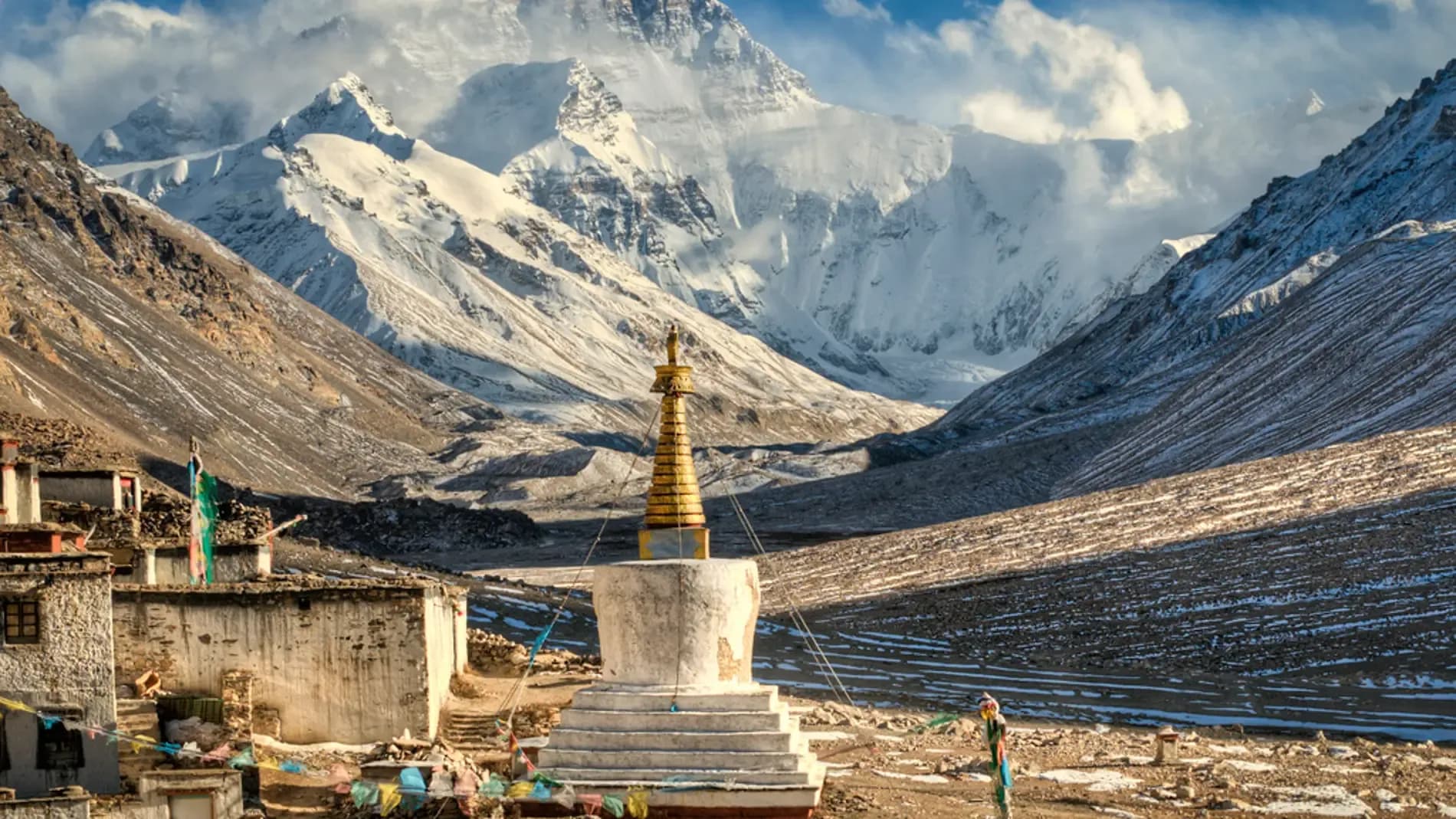
Visit the Tibet side of the Everest Base Camp.
Explore high mountain passes and lakes.
Get insight into the culture and lifestyle of the inhabitants.
Airport drop-off and pick-up in a private vehicle (car, van, jeep, or Hiace) for your convenience and comfort.
Two nights of accommodation in Kathmandu on a twin-sharing basis, including breakfast to start your day right.
Transportation during the trip on a sharing basis using a comfortable tourist bus, ensuring a smooth travel experience.
Daily breakfast throughout the trip, allowing you to fuel up before exploring.
Tibet entry visa and all necessary permits, ensuring a hassle-free experience as you cross into Tibet.
An English-speaking Tibetan tour/trekking guide, providing valuable insights and assistance throughout your journey.
Travel insurance is highly recommended for the Kathmandu to Lhasa tour. Given the nature of the journey, which includes high-altitude trekking and remote locations, having insurance provides essential coverage for unforeseen events. This may include medical emergencies, trip cancellations, lost luggage, or other travel-related issues. Ensure your insurance policy covers high-altitude activities and any specific risks associated with travel in Tibet. Female Guide Holiday can provide guidance on choosing a suitable insurance policy for your adventure.
Price Per Person
USD 2999

Price: 1399
$1099 USD/pp
Max. Altitude
0 Reviews
Price Starting From
US$ 0 /person
Difficulty:
Easy
Duration
8 Days
Max. Altitude
4250m
0 Reviews
Price Starting From
US$ 2199 /person