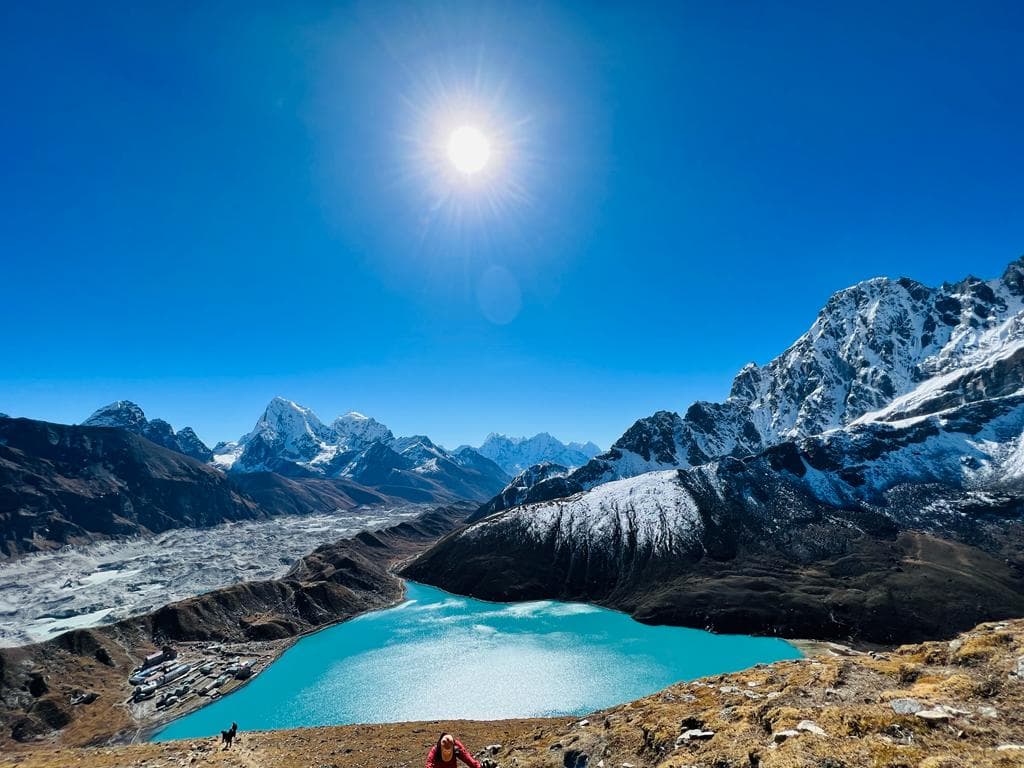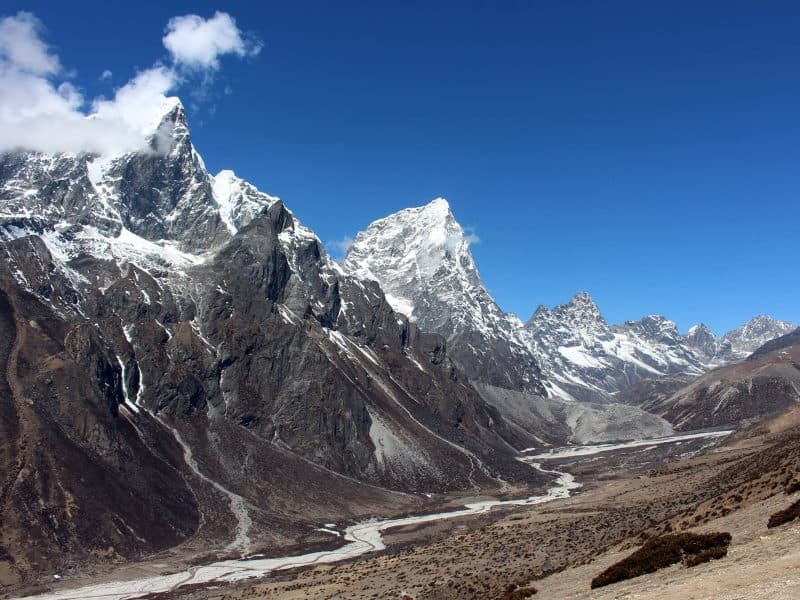




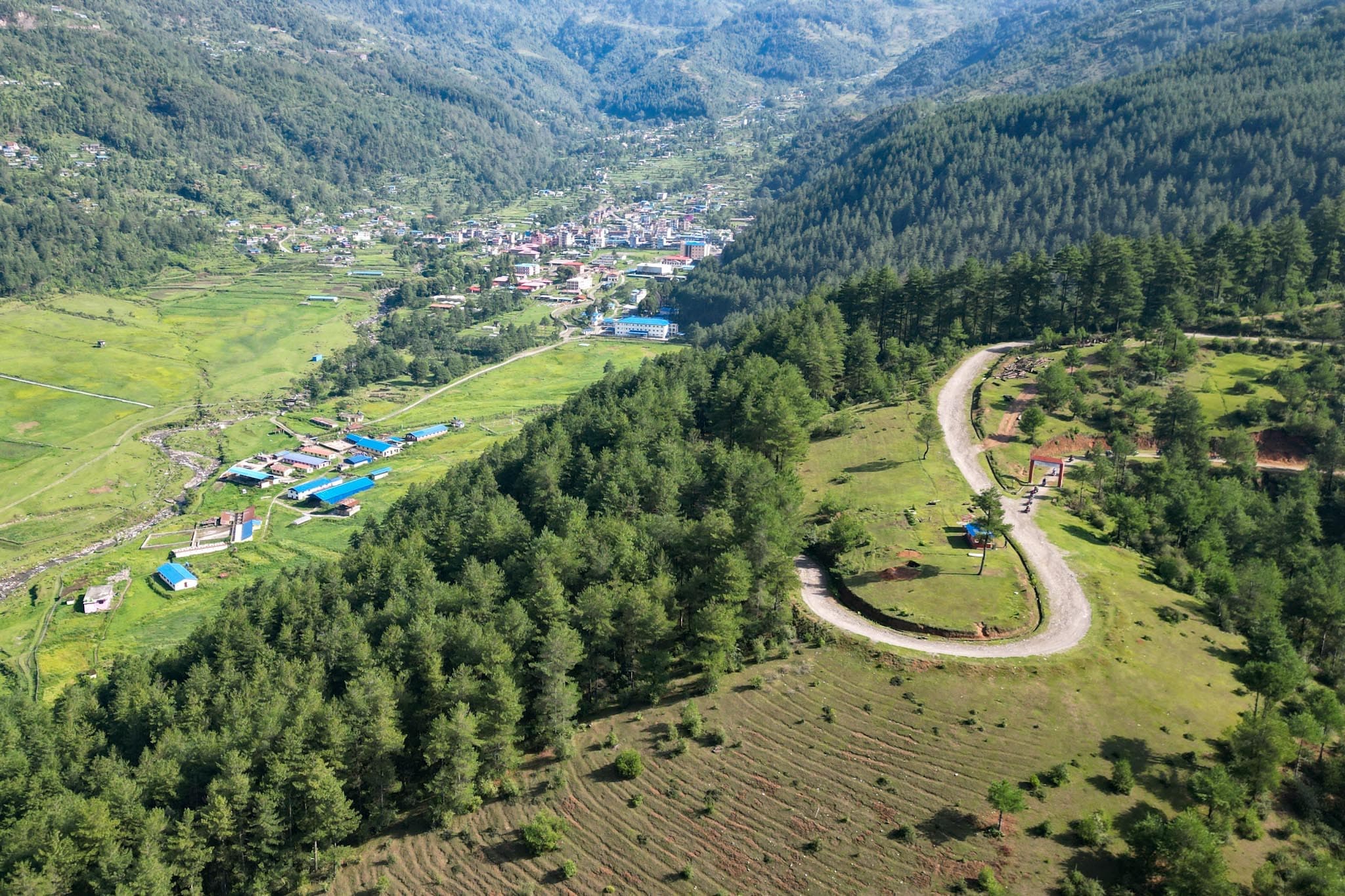
The Jiri to Everest Base Camp Trek is a challenging 21-day Himalayan adventure that passes through traditional villages, forested hills, high mountain passes, and the rugged landscapes of the Everest region. Trekkers reach Everest Base Camp (5,364 m / 17,598 ft) and Kala Patthar (approximately 5,545 m / 18,192 ft), where temperatures can drop below freezing, especially in the early morning and at night.
Female Guide Holiday recommends packing lightweight, comfortable, and weather-appropriate trekking equipment. A proper layering system, sturdy footwear, and reliable cold-weather gear are essential for this trek.
1. Clothing and Layering System
Base layers
- 2–3 moisture-wicking trekking T-shirts
- 2 thermal tops and 2 thermal bottoms
- 1–2 long-sleeved trekking shirts
- 3–4 pairs of quick-drying underwear
- 3–4 pairs of trekking socks
- 1–2 pairs of warm merino wool socks
Insulating layers
- 1 warm fleece jacket
- 1 lightweight insulated jacket
- 1 warm down jacket for cold mornings, evenings, and high-altitude sections
- 1 warm sweater, optional
Outer layers
- 1 waterproof and windproof trekking jacket
- 1 pair of waterproof trousers
- 2 pairs of quick-drying trekking trousers
- 1 pair of thermal or insulated trousers for colder conditions
- 1 pair of comfortable trousers for teahouse use
2. Footwear and Trekking Accessories
- 1 pair of well-broken-in, waterproof trekking boots with good ankle support
- 1 pair of lightweight camp shoes, sandals, or comfortable sneakers
- 1 pair of warm wool or fleece gloves
- 1 pair of lightweight liner gloves
- 1 pair of waterproof outer gloves or mittens
- 1 warm wool or fleece hat
- 1 sun hat or cap
- 1 neck gaiter or buff
- 1 pair of UV-protection sunglasses
- Blister-prevention patches or moleskin
- Gaiters, optional for snow, mud, and wet conditions
3. Backpack and Luggage
- 1 main trekking duffel or backpack, approximately 60–80 liters if carrying your own equipment
- 1 daypack of approximately 25–35 liters
- 1 rain cover for your daypack
- Waterproof liners or dry bags for clothing and electronics
- 1 small toiletry bag
- Lightweight packing organizers
- Reusable luggage tag
If you hire a porter, confirm the permitted luggage weight with Female Guide Holiday before departure. Keep essential items, including your passport, medication, valuables, drinking water, snacks, and warm layers, in your daypack
4. Sleeping Equipment
- 1 sleeping bag with a comfort rating of approximately -10°C to -15°C, depending on the season and your cold tolerance
- 1 sleeping bag liner for additional warmth and hygiene
- 1 pair of warm sleeping socks
- 1 thermal sleepwear set
- 1 compact travel pillow, optional.
Teahouses generally provide bedding, but blankets may not be warm enough at higher elevations, particularly during colder months. Confirm whether a sleeping bag or down jacket is included in your Female Guide Holiday package before purchasing or packing these items.
5. Personal Health, Hygiene, and First Aid
- Personal prescription medications
- Basic first-aid kit
- Blister plasters and adhesive bandages
- Antiseptic wipes
- Pain relief medication, if suitable for you
- Oral rehydration salts
- Personal medication for common travel-related complaints, as advised by a healthcare professional
- Sunscreen, preferably SPF 50+
- SPF lip balm
- Toothbrush and toothpaste
- Biodegradable soap
- Quick-drying travel towel
- Wet wipes and tissues
- Hand sanitizer
- Toilet paper
- Personal hygiene products
- Nail clippers and small grooming items
- Earplugs and an eye mask
- Small bags for carrying out personal waste
Altitude safety: Consult your healthcare professional before traveling for high-altitude trekking and any preventive medication. Learn the symptoms of acute mountain sickness (AMS), including headache, nausea, dizziness, and unusual fatigue. Inform your guide immediately if symptoms develop, and do not continue ascending when experiencing signs of altitude illness without appropriate assessment.
- Adjustable trekking poles
- Headlamp with spare batteries or a charging cable
- Reusable water bottles or a hydration bladder
- Insulated bottle for warm drinking water
- Water purification tablets or a suitable water filter
- Mobile phone with offline maps downloaded
- Power bank, preferably 10,000–20,000 mAh
- Charging cables and compatible adapters
- Camera or action camera, optional
- Spare memory card and batteries, if needed
- Nepal SIM card or suitable roaming plan
- Waterproof pouch for electronics
Carry sufficient drinking water and treat water from untreated sources before consumption. Trekking poles can help reduce stress on the knees during long descents and uneven sections of the trail.
7. Food, Snacks, and Hydration
Meals are generally available at teahouses along the main Everest trekking route. However, carrying personal snacks can be helpful during long walking days and remote sections of the Jiri approach.
- Energy bars and protein bars
- Trail mix, nuts, and dried fruits
- Chocolate or other high-energy snacks
- Electrolyte sachets
- Favorite tea bags or instant coffee, optional
- Reusable snack containers or bags
- Water bottles with a combined capacity of approximately 1.5–2 liters
Drink water regularly throughout the day and follow your guide's advice on hydration.
8. Documents, Money, and Travel Essentials
- Valid passport
- Copies of your passport and relevant travel documents
- Trekking permits and booking documents, as applicable
- Travel insurance covering high-altitude trekking and emergency helicopter evacuation
- Emergency contact details
- Sufficient Nepalese rupees in cash for personal expenses
- Debit or credit card for use in cities and where accepted
- Waterproof document pouch
- Printed or offline copies of your itinerary and insurance details
ATMs are available in some larger settlements, including Namche Bazaar, but availability and reliability are not guaranteed. Carry enough cash for personal expenses throughout the trek.
9. Optional Items
- Lightweight binoculars for mountain views and wildlife
- Compact travel journal and pen
- Playing cards or a small book for evenings
- Lightweight camera tripod
- Portable laundry soap
- Reusable shopping bag
- Small repair kit with safety pins, duct tape, and spare boot laces
- Microspikes for icy trails, if recommended for the season and current trail conditions
10. Seasonal Packing Advice
Season Additional recommendations
- Spring (March–May): Warm layers, rain protection, sun protection, and clothing for cold mornings
- Autumn (September–November): Warm down jacket, thermal layers, windproof outerwear, and gloves
- Winter (December–February): Heavy insulation, warmer sleeping bag, extra thermal layers, insulated gloves, and potentially traction aids
- Monsoon (June–August): Reliable waterproof clothing, pack liners, quick-drying garments, and extra protection for electronics
Weather conditions can change rapidly in the Himalayas. Even during spring and autumn, temperatures near Everest Base Camp and Kala Patthar can fall well below freezing, particularly at night and before sunrise.
11. Important Packing Recommendations from Female Guide Holiday
- Break in your trekking boots before arriving in Nepal to prevent blisters.
- Use a layering system so you can adjust your clothing as temperatures change.
- Keep waterproof clothing, warm layers, and essential medication easily accessible.
- Pack light and avoid unnecessary items, as you will be trekking for approximately three weeks.
- Bring sufficient cash for personal expenses and emergencies.
- Confirm which equipment, such as a down jacket, sleeping bag, or duffel bag, is included in your package.
- Purchase comprehensive travel insurance that covers high-altitude trekking, medical treatment, and emergency evacuation.
- Follow your guide's advice regarding weather, trail conditions, acclimatization, and altitude safety.
Final note: Proper preparation is essential for a safe and comfortable Jiri to Everest Base Camp Trek. Female Guide Holiday recommends checking your equipment before departure and confirming your luggage allowance, included trekking gear, and seasonal requirements with our team.