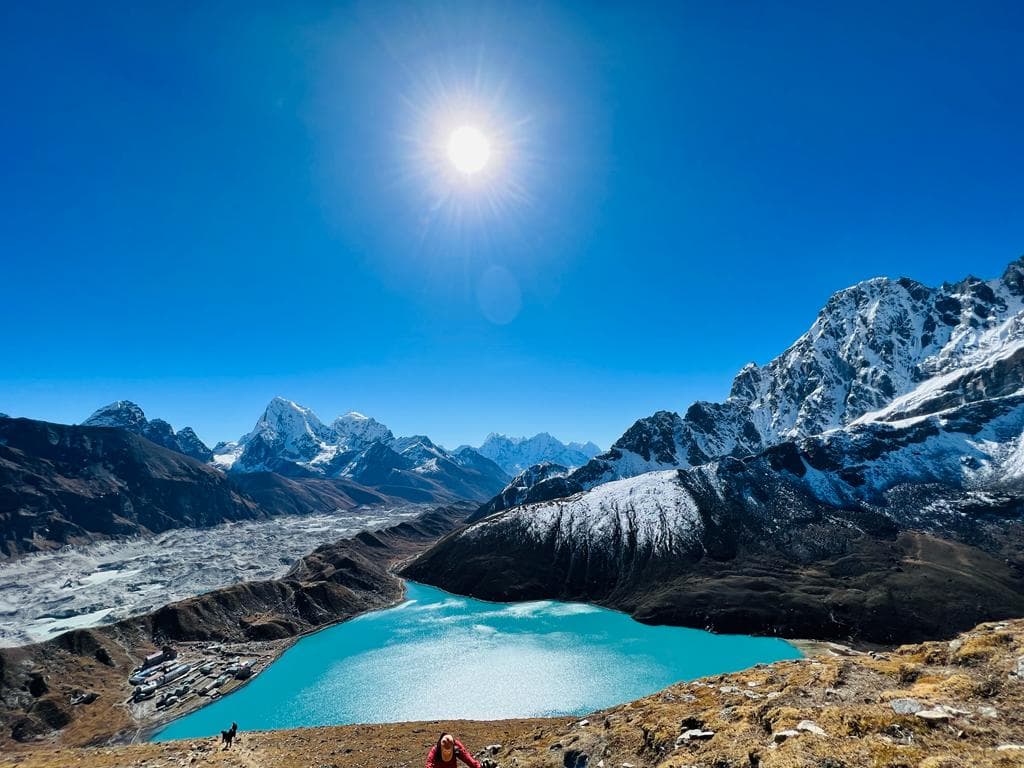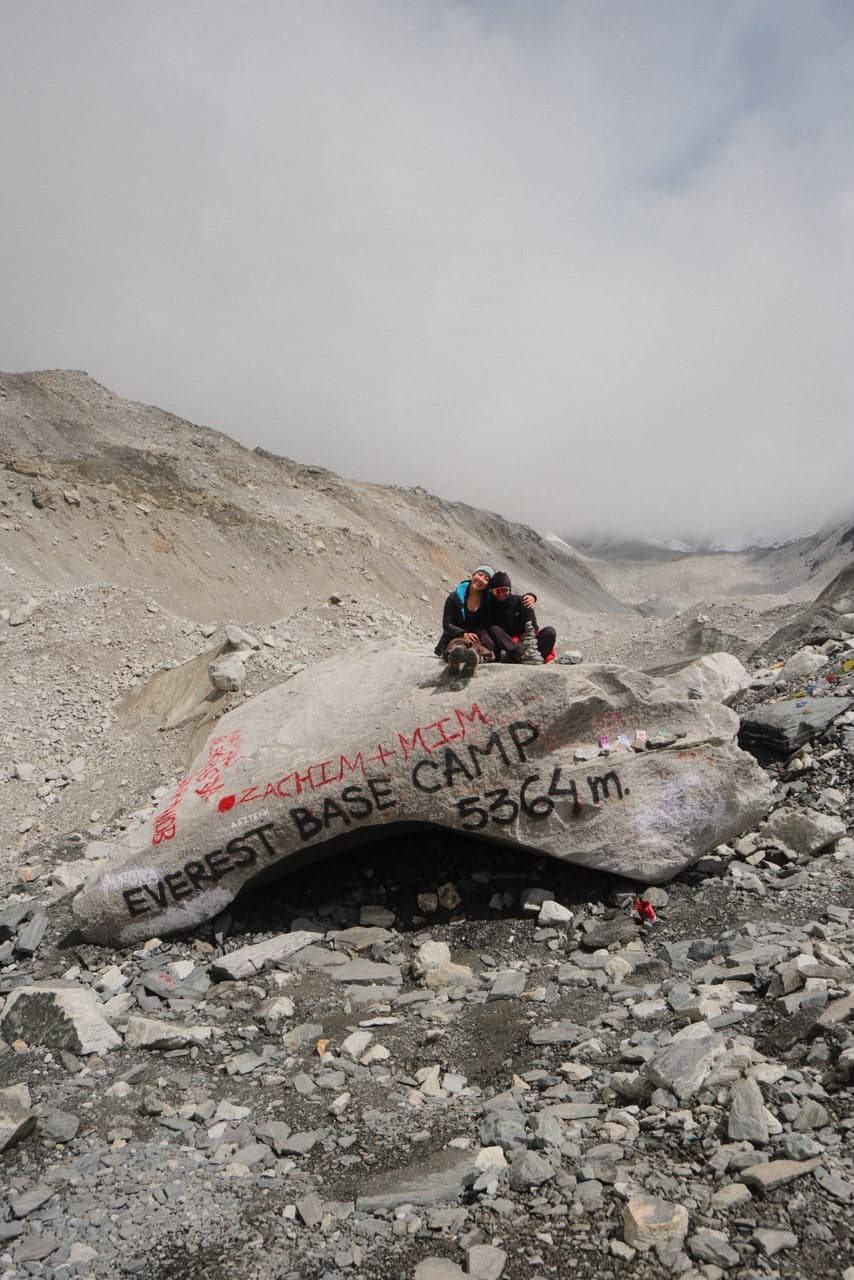





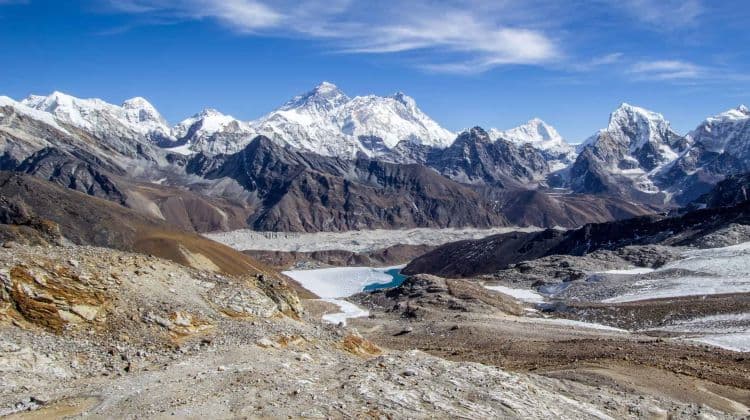
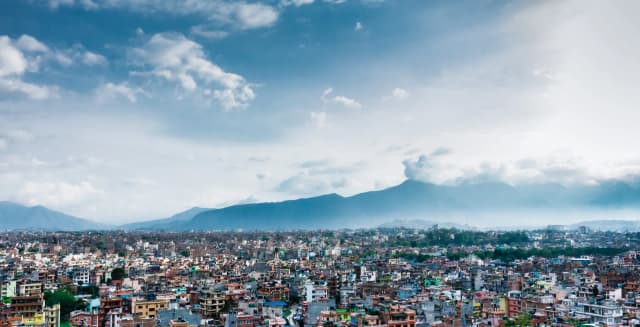
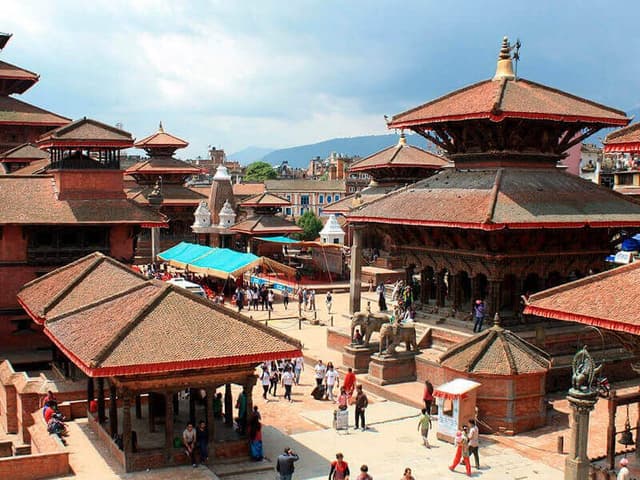
The Everest Three High Passes Trek is a challenging high-altitude adventure that crosses Renjo La (5,360 m), Cho La (5,420 m), and Kongma La (5,535 m). Trekkers should prepare for freezing temperatures, strong winds, snow, icy trails, and long walking days, especially during the high-pass crossings.
The key to packing is to bring warm, lightweight, moisture-wicking layers and reliable trekking equipment while keeping your backpack manageable.
1. Clothing and layering
- Moisture-wicking thermal base layers (2 sets, top and bottom)
- Quick-drying trekking T-shirts (3–4)
- Long-sleeved trekking shirts (2)
- Fleece jacket or mid-layer (1–2)
- Insulated down jacket suitable for sub-zero temperatures
- Waterproof and windproof outer jacket
- Waterproof trekking trousers
- Lightweight trekking trousers (2 pairs)
- Thermal leggings or warm base-layer bottoms
- Warm insulated trousers for very cold conditions
- Waterproof over-trousers
- Comfortable underwear (5–7 pairs)
- Sports bras, if needed
- Warm sleeping clothes
- Casual clothes for Kathmandu
- Lightweight clothes for lower-altitude trekking
2. Footwear and socks
- Well-broken-in, waterproof trekking boots with good ankle support and reliable grip
- Lightweight shoes or sandals for teahouses
- Thermal trekking socks (3–4 pairs)
- Regular trekking socks (3–4 pairs)
- Liner socks, if preferred
- Gaiters to help keep snow and debris out of boots
- Spare laces
- Blister prevention tape or blister plasters
Important: Test your trekking boots before departure. New or poorly fitted boots can cause painful blisters on long days and steep descents.
3. Headwear and hand protection
- Warm wool or fleece beanie that covers the ears
- Sun hat or trekking cap
- Buff, neck gaiter, or balaclava
- Lightweight liner gloves
- Warm insulated gloves or mittens
- Waterproof and windproof outer gloves
- Hand warmers, especially for cold-season trekking
4. Essential trekking gear
- 25–35-litre daypack with a rain cover
- Duffel bag or kitbag for porter-carried luggage
- Warm sleeping bag rated around -15°C to -20°C, depending on the season and personal cold tolerance
- Sleeping bag liner for additional warmth and hygiene
- Adjustable trekking poles
- Headlamp with spare batteries or a rechargeable battery
- UV-protective sunglasses suitable for snow and high-altitude conditions
- Water bottles or hydration system with a total capacity of 2–3 litres
- Insulated water bottle or thermos for cold mornings
- Water purification tablets, drops, or a suitable filter
- Waterproof dry bags or packing cubes
- Small padlock for your duffel bag
- Lightweight quick-drying towel
- Earplugs for sleeping in teahouses
For the Three High Passes Trek, cold-weather equipment is particularly important because the route reaches above 5,300 metres. You may be able to rent sleeping bags, down jackets, and trekking poles in Kathmandu, depending on availability.
5. Special equipment for high-pass crossings
- Microspikes or suitable traction devices for icy trails, when required
- Gaiters to protect your boots from snow
- Waterproof trekking boots with dependable grip
- Trekking poles with snow baskets, if available
- Warm insulated jacket and gloves accessible in your daypack
- Spare dry socks
- High-quality sunglasses to protect against snow glare
- Headlamp for early-morning starts
Important: Choose microspikes or crampons based on the actual trail and snow conditions. Ask your trekking guide to assess the equipment needed for Renjo La, Cho La, and Kongma La before departure. Do not attempt an icy or snow-covered pass without appropriate equipment and guide approval.
6. Toiletries and personal hygiene
- Toothbrush and toothpaste
- Biodegradable soap or body wash
- Shampoo in a small travel bottle
- Quick-drying towel
- Toilet paper and tissues
- Wet wipes
- Hand sanitiser
- Moisturiser and lip balm with SPF
- Sunscreen, preferably SPF 50+
- Small hairbrush or comb
- Nail clipper
- Personal hygiene products
- Feminine hygiene products, if required
- Small personal waste bags
7. First-aid kit and medication
- Personal prescription medicines
- Basic first-aid kit
- Blister plasters and blister prevention tape
- Antiseptic wipes and cream
- Bandages and adhesive plasters
- Pain-relief medication suitable for you
- Oral rehydration salts or electrolyte sachets
- Medication for common digestive problems, if appropriate
- Throat lozenges
- Any medication prescribed for altitude-related illness
- Small thermometer, if desired
Consult your healthcare professional before the trek about altitude illness prevention and any medicines you may need. Your guide should monitor your condition, but medication is not a substitute for proper acclimatisation or descending when symptoms indicate altitude illness.
8. Food and snacks for the trail
Although meals are available at teahouses along the route, carrying a few personal snacks can be helpful during long pass-crossing days.
- Energy bars
- Trail mix, nuts, and dried fruits
- Chocolate or glucose sweets
- Electrolyte sachets
- Biscuits or crackers
- Favourite instant snacks from home
- Reusable snack bags
Carry only what you expect to eat, and keep snacks easily accessible during long walking days.
9. Electronics and accessories
- Mobile phone
- Power bank (10,000–20,000 mAh, subject to airline rules)
- Charging cables
- Camera and spare batteries, if needed
- Universal travel adapter
- Headlamp charging cable or spare batteries
- Waterproof phone pouch
- Small notebook and pen, optional
Cold weather can reduce battery performance. Keep your phone, power bank, and camera batteries protected from extreme cold when possible.
10. Travel documents and money
- Valid passport
- Nepal visa documents, if applicable
- Travel insurance covering high-altitude trekking and emergency helicopter evacuation
- Printed or offline copies of insurance details
- Emergency contact information
- Flight tickets and hotel details
- Required trekking permits and identification documents
- Passport-size photographs, if required
- Sufficient Nepalese rupees for personal expenses
- Debit or credit card for use where available
- Waterproof document pouch
Keep your passport, cash, insurance details, and other important documents in your daypack rather than in your porter-carried luggage.
11. Personal items and optional extras
- Small book or e-reader
- Playing cards
- Binoculars
- Camera accessories
- Lightweight journal
- Travel pillowcase
- Small reusable bag for rubbish
- Spare glasses or contact lenses, if required
- A few favourite comfort items for long evenings in teahouses
12. What Female Guide Holiday recommends
For this challenging trek, we recommend prioritising warmth, footwear, hydration, and a lightweight daypack over carrying too many spare clothes.
- Break in your trekking boots well before arrival in Nepal.
- Wear layered clothing instead of relying on one very thick jacket.
- Keep waterproof and warm layers in your daypack every day.
- Carry enough water and use a reliable purification method.
- Pack essential medicines and personal documents in your daypack.
- Leave unnecessary luggage at your Kathmandu hotel.
- Confirm with your trekking operator which items, such as a sleeping bag, down jacket, duffel bag, and trekking poles, are included in the package.
- Check the weather and trail conditions before each high-pass crossing.
Final note: The required equipment may vary by season. Spring and autumn conditions can differ significantly from winter conditions, and fresh snowfall can change the requirements for crossing the passes. Your final gear list should be confirmed with your guide before departure.