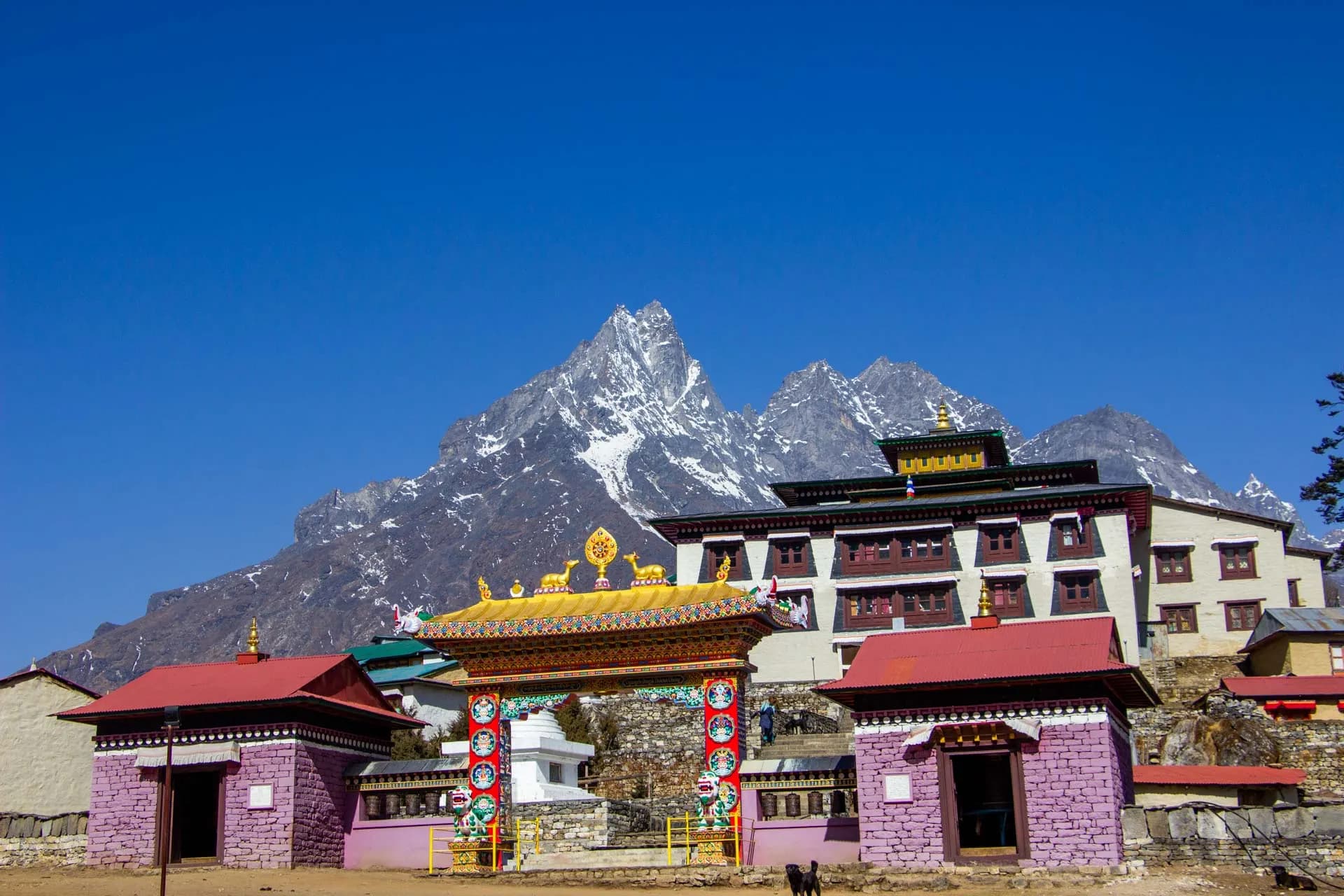
The Ama Dablam Base Camp and Gokyo Trek is a spectacular 19-day Himalayan adventure that combines the dramatic mountain scenery of Ama Dablam with the turquoise glacial lakes and panoramic viewpoints of the Gokyo Valley. Located in Nepal's famous Everest region, this trek offers an exceptional opportunity to explore traditional Sherpa villages, ancient Buddhist monasteries, high-altitude landscapes, and some of the most impressive mountain views in the world.
The journey takes you through the beautiful Khumbu Valley, passing places such as Phakding, Namche Bazaar, Tengboche, and Pangboche before reaching Ama Dablam Base Camp, situated beneath the striking slopes of Ama Dablam (6,812 m / 22,349 ft). Often called the “Matterhorn of the Himalayas,” Ama Dablam is admired for its distinctive shape and towering ridges. From the base camp, trekkers can enjoy magnificent views of Ama Dablam and surrounding Himalayan peaks before continuing toward the scenic Gokyo Valley.
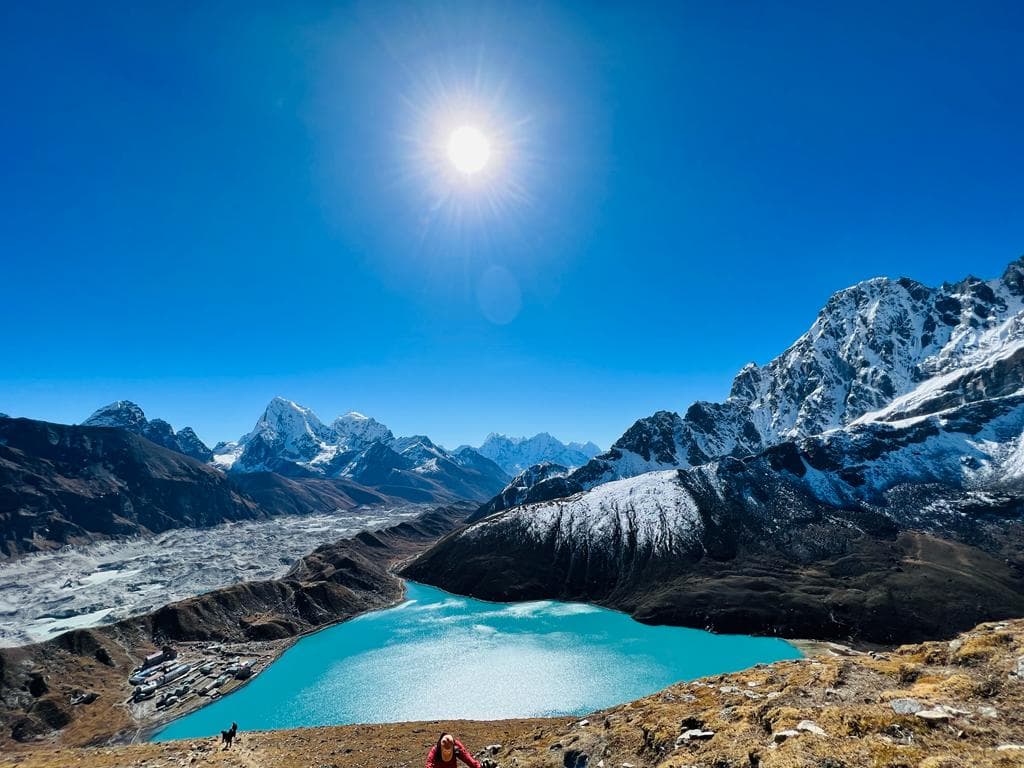
The Gokyo section introduces a different side of the Everest region, featuring a chain of turquoise glacial lakes, the Ngozumpa Glacier, traditional mountain settlements, and breathtaking views of Everest, Lhotse, Makalu, and Cho Oyu. An ascent of Gokyo Ri (approximately 5,357 m / 17,575 ft) provides one of the region's most memorable panoramic viewpoints. Throughout the journey, trekkers experience the natural beauty, cultural traditions, and mountain hospitality that make the Khumbu one of Nepal's most remarkable trekking destinations.
Organized by Female Guide Holiday, the Ama Dablam Base Camp and Gokyo Trek is suitable for adventurous travelers seeking a challenging high-altitude trekking experience without undertaking a technical climbing expedition. The route requires good physical preparation, proper acclimatization, and flexibility for mountain weather and flight conditions.
Best Time to Visit
The best time for the Ama Dablam Base Camp and Gokyo Trek is generally spring (March to May) and autumn (September to November). These seasons usually offer favorable trekking conditions, relatively stable weather, and excellent opportunities to enjoy panoramic Himalayan views. Spring brings warmer daytime temperatures, blooming rhododendrons at lower elevations, and increasingly vibrant mountain landscapes. Autumn is popular for its clear skies, crisp mountain air, and excellent visibility after the summer monsoon. Winter trekking is possible for well-prepared trekkers, but freezing temperatures, snowfall, icy trails, and limited accommodation services can make the higher sections more challenging. The monsoon season, particularly June to August, brings cloud cover, rain, slippery trails, and possible travel disruptions. As the route reaches high elevations, weather can change quickly in every season, so suitable clothing, flexible scheduling, and guidance from an experienced trekking team are essential.
Difficulty Level
The Ama Dablam Base Camp and Gokyo Trek is a challenging high-altitude trek that requires good fitness, endurance, and preparation. The route includes long walking days, steep ascents and descents, rocky mountain trails, uneven terrain, and sections above 5,000 metres. Reaching Ama Dablam Base Camp and climbing Gokyo Ri require additional effort because of the elevation and thinner air. Although the trek does not normally involve technical mountaineering, the high altitude and changing weather can make the journey physically demanding. Previous trekking experience at altitude is beneficial, especially for travelers planning to complete both destinations in one trip. A gradual walking pace, appropriate acclimatization, suitable equipment, and support from an experienced guide can help make the trek safer and more manageable.
Physical Fitness and Requirements
Trekkers should prepare for the Ama Dablam Base Camp and Gokyo Trek by developing cardiovascular fitness, leg strength, balance, and stamina before departure. Regular walking, hiking, stair climbing, cycling, swimming, and uphill training can help prepare the body for several consecutive days of trekking. Training for approximately 8–12 weeks is a useful starting point for many travelers, although the preparation period depends on individual fitness and previous hiking experience. Trekkers should be comfortable walking for around 5–8 hours on many days, with some days requiring longer depending on the route and conditions. You should also be prepared to carry a daypack containing water, warm clothing, snacks, and personal essentials. No special climbing skills are normally required, but the ability to walk steadily at high altitude is important. Travelers with existing medical concerns should consult a qualified healthcare professional before undertaking a strenuous high-altitude trek.
Environment and Natural Landscapes
The Ama Dablam Base Camp and Gokyo Trek passes through the diverse mountain environments of Sagarmatha National Park, a UNESCO World Heritage Site. The lower sections feature forested trails, pine trees, rhododendron forests, rivers, suspension bridges, and traditional villages. As the route gains elevation, the vegetation gradually becomes sparse, giving way to alpine meadows, rocky slopes, glacial valleys, and high-altitude terrain. The Ama Dablam Base Camp area offers dramatic views of steep mountain ridges, glaciers, and snow-covered peaks, while the Gokyo Valley is famous for its turquoise lakes, rugged landscapes, and the enormous Ngozumpa Glacier. The region also supports wildlife such as Himalayan tahr, musk deer, and several bird species, although sightings are never guaranteed. Trekkers should respect the fragile mountain environment by staying on designated trails, avoiding littering, minimizing plastic waste, and following local conservation guidelines.
Acclimatization and Altitude Sickness Prevention
Acclimatization is essential on the Ama Dablam Base Camp and Gokyo Trek because the route reaches elevations above 5,000 metres, where the risk of altitude sickness increases. The itinerary should allow adequate time for the body to adjust gradually to decreasing oxygen levels, particularly around Namche Bazaar and other suitable stops along the route. Trekkers should walk at a steady pace, avoid unnecessary rushing, stay hydrated, eat regularly, and follow their guide's acclimatization instructions. Headache, nausea, dizziness, unusual fatigue, and loss of appetite can be signs of altitude sickness and should be reported promptly.
Symptoms that worsen, or signs such as confusion, difficulty walking straight, or breathlessness at rest, require urgent medical attention and descent when appropriate. Never continue ascending while experiencing symptoms that may indicate altitude sickness. Medication may be appropriate for some travelers following advice from a qualified healthcare professional, but it does not replace gradual acclimatization or descent when necessary. The final itinerary should include suitable acclimatization arrangements, and the guide may adjust the schedule according to health, weather, and trail conditions.
Lukla Flight and Alternatives
The Ama Dablam Base Camp and Gokyo Trek generally begins with a flight from Kathmandu to Lukla or an alternative flight arrangement, depending on the operating schedule and prevailing conditions. The flight to Lukla is a memorable mountain journey offering views of Nepal's hills and Himalayan landscapes, but operations are highly dependent on weather and visibility. During busy trekking seasons, flights may operate from Ramechhap's Manthali Airport rather than Kathmandu, which can require an overland transfer of several hours.
Flight schedules, departure airports, baggage allowances, and transfer arrangements should be confirmed before travel. Delays and cancellations are possible, so trekkers should allow flexibility at the beginning and end of the itinerary, particularly before international departure flights. If Lukla flights are disrupted, alternative arrangements may include waiting for the next available flight, using a helicopter when feasible, or adjusting the itinerary. These alternatives depend on weather, availability, operational restrictions, and additional costs.
Helicopter Options
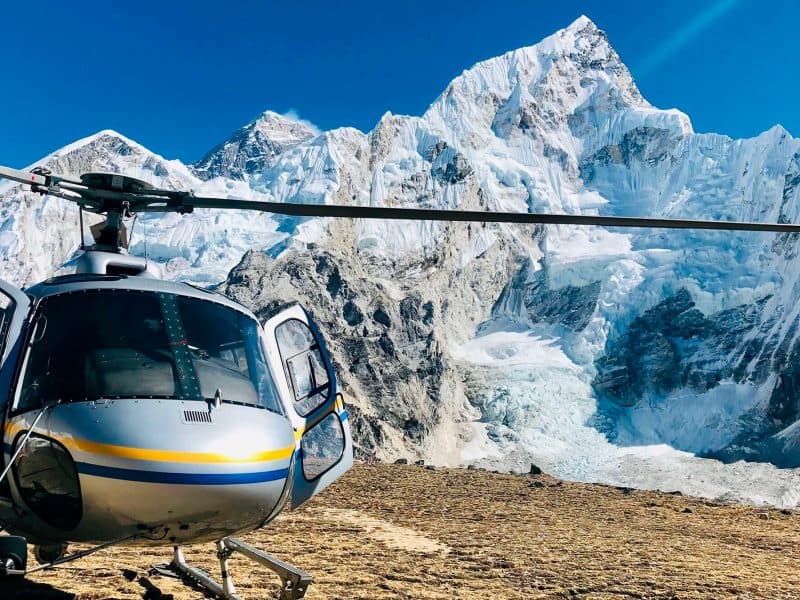
Helicopter services may be available for selected sections of the Ama Dablam Base Camp and Gokyo Trek, depending on weather, aviation regulations, landing conditions, and operator availability. Travelers may consider a helicopter transfer as an alternative to a scheduled Lukla flight, where permitted, or arrange a scenic mountain flight for an aerial view of the Everest region.
Helicopter evacuation may also be considered during a medical emergency when a qualified assessment indicates that evacuation is necessary and operating conditions permit. Helicopter services are not guaranteed and can be delayed or canceled because of poor visibility, strong winds, altitude limitations, or other operational restrictions. Scenic flights, private charters, and non-emergency transfers may involve significant additional charges. Emergency evacuation arrangements should be discussed with your trekking company and covered by an appropriate travel insurance policy. A helicopter should not be considered a substitute for proper acclimatization or responsible trekking decisions.
Trekking Guide and Porter Services
An experienced trekking guide is strongly recommended for the Ama Dablam Base Camp and Gokyo Trek because the route involves high altitude, changing weather, and remote mountain terrain. A knowledgeable guide can help manage the walking pace, support acclimatization, explain local Sherpa traditions, coordinate accommodation, and assist with route decisions when conditions change.
Female Guide Holiday can arrange trekking guide and porter services according to the selected package and group requirements. Porters can carry the main trekking luggage, allowing travelers to walk with a lighter daypack containing water, snacks, warm layers, and personal essentials. Before booking, confirm the guide's experience, staff insurance, accommodation, meals, transportation, and porter arrangements, including luggage weight limits. Trekkers should pack responsibly and ensure that porters are treated fairly and work within appropriate load limits and safety practices.
Wi-Fi and Electricity
Wi-Fi and electricity are available at many teahouses along the Ama Dablam Base Camp and Gokyo Trek, but the quality and reliability of these services vary by village, altitude, and lodge. Some accommodations provide charging facilities for phones, cameras, and other electronic devices, while Wi-Fi and charging may involve additional fees. Power supply can be limited or intermittent in remote areas, especially during busy periods or poor weather.
A fully charged power bank, suitable charging cables, and a compatible travel adapter are useful for keeping essential devices operational. Download offline maps, important documents, and emergency contact information before starting the trek. Mobile network coverage and internet access should not be relied upon for emergency communication, particularly in remote sections of the route.
Meals
Meals during the Ama Dablam Base Camp and Gokyo Trek are generally served at local teahouses and mountain lodges, with food options varying by location and season. Common meals include dal bhat, rice, vegetable curry, noodles, fried rice, pasta, potatoes, soups, eggs, bread, pancakes, porridge, and other simple dishes. Dal bhat, a traditional Nepali meal of rice, lentil soup, and vegetables, is a popular choice because it provides energy for long walking days. Food options may become more limited and expensive at higher elevations because supplies must be transported into remote mountain settlements.
Trekkers should eat regularly, choose freshly prepared meals where possible, and inform Female Guide Holiday in advance about vegetarian, vegan, or other dietary requirements. Special dietary products may not be readily available in every village, so travelers with strict dietary needs should consider carrying suitable snacks. Confirm whether breakfast, lunch, and dinner are included in the selected package before booking.
Drinking Water and Hydration
Staying hydrated is important throughout the Ama Dablam Base Camp and Gokyo Trek, especially during long walking days and at high altitude. Drinking water is generally available from teahouses, where boiled water or bottled water may be purchased, although availability and prices vary by location. Trekkers should carry reusable water bottles or a hydration system and use suitable purification tablets, filters, or other approved treatment methods when necessary.
Avoid drinking untreated water from streams, rivers, or taps. Drink regularly throughout the day, even when you do not feel particularly thirsty, and follow your guide's advice about safe refill points. A reusable bottle and water treatment system can help reduce plastic waste in the fragile Himalayan environment. Confirm with Female Guide Holiday whether boiled drinking water or refills are included in your package, as these may be additional expenses.
Accommodation
Accommodation during the Ama Dablam Base Camp and Gokyo Trek generally includes a hotel in Kathmandu and local teahouses or mountain lodges throughout the trekking route. The hotel category, number of nights, and room arrangements depend on the selected package. Teahouses typically offer basic rooms with beds, mattresses, pillows, and blankets, with twin-sharing arrangements commonly available.
Shared bathrooms are standard in many locations, particularly at higher elevations, while some lodges provide private bathrooms or hot showers for an additional fee, subject to availability. Heating is often limited to common areas, and bedrooms can become very cold at night. A suitable sleeping bag is recommended, depending on the season and accommodation arrangements. During spring and autumn, rooms can fill quickly, so advance booking and flexibility are advisable, especially if flight delays affect the itinerary.
Travel Insurance
Comprehensive travel insurance is strongly recommended for the Ama Dablam Base Camp and Gokyo Trek because of the high altitude, remote terrain, and potential need for emergency medical assistance. Your policy should explicitly cover trekking at the maximum altitude planned for the itinerary, including Gokyo Ri and Ama Dablam Base Camp, as applicable. Check whether it includes emergency medical treatment, high-altitude trekking, helicopter rescue and evacuation, hospitalization, medical repatriation, trip cancellation, and interruption. Coverage for flight delays, additional accommodation, and transport costs may also be valuable.
Many standard travel insurance policies exclude trekking above 5,000 metres or impose special conditions for helicopter evacuation, so confirm the exact coverage directly with your insurer before departure. Keep your policy documents and emergency contact details accessible during the trek. Insurance does not guarantee immediate evacuation, as weather, visibility, and aviation restrictions can affect rescue operations.
Passport and Nepal Visa Requirements
International travelers should carry a valid passport and confirm Nepal's current visa and entry requirements before departing for the Ama Dablam Base Camp and Gokyo Trek. Visa eligibility, fees, permitted length of stay, and application procedures vary according to nationality and current government regulations.
Check whether you are eligible for a visa on arrival or need to obtain a visa in advance, and confirm the passport validity requirements applicable to your circumstances. Passport information may be needed for domestic flight bookings and trekking permit arrangements. It is advisable to keep copies of your passport, visa, travel insurance, and emergency contacts in a secure location separate from the original documents. For the latest official information, visit the Department of Immigration, Nepal.
Photography Restrictions and Permissions
The Ama Dablam Base Camp and Gokyo Trek offer excellent opportunities for landscape, wildlife, cultural, and travel photography. Trekkers can capture mountain panoramas, glacial lakes, traditional Sherpa settlements, monasteries, prayer flags, and everyday life in the Khumbu region. Personal photography is generally permitted in public trekking areas, but visitors should respect local customs, personal privacy, and restrictions at specific sites. Always ask permission before photographing residents, guides, porters, or children, and check with monastery staff before taking photographs inside religious buildings or during ceremonies.
Follow signs restricting photography or flash use, avoid disturbing wildlife, and do not obstruct other trekkers. Commercial photography, professional filming, and organized productions may require additional permits or approvals. Your trekking guide can help you understand local customs and identify situations where permission should be obtained.
Drone Use and Permissions
Drone use in Nepal is subject to aviation regulations and may also be restricted within national parks, protected areas, and other designated locations. Since the Ama Dablam Base Camp and Gokyo Trek pass through Sagarmatha National Park, travelers should not assume that recreational or commercial drone flights are automatically permitted. Before bringing or operating a drone, check current import, registration, and flight authorization requirements with the relevant authorities, including the Civil Aviation Authority of Nepal and the authorities responsible for protected areas.
Depending on the drone, location, and intended use, specific approvals may be required, and commercial filming may involve additional procedures. Follow applicable flight restrictions, never operate a drone near airports, helipads, aircraft, or active helicopter routes, and respect local privacy and community concerns. Confirm all necessary permissions before traveling, as approval from one authority may not satisfy every applicable requirement.
Trekking Permits and Entry Requirements
The Ama Dablam Base Camp and Gokyo Trek generally require a Sagarmatha National Park Entry Permit and a Khumbu Pasang Lhamu Rural Municipality entry permit, subject to current regulations and the final itinerary. Additional documentation or requirements may apply depending on government rules at the time of travel.
Trekkers should carry the required identification and permit documents throughout the journey, as checks may take place at designated points along the route. Female Guide Holiday can assist with permit arrangements when included in the selected package. Before departure, confirm the required permits, current fees, and whether all applicable charges are included in the trek price.
Daily Walking Hours and Trekking Pace
Daily walking hours on the Ama Dablam Base Camp and Gokyo Trek generally range from five to eight hours, although some days may be longer depending on elevation gain, terrain, weather, and the chosen itinerary. Walking to Ama Dablam Base Camp and climbing Gokyo Ri can be particularly demanding because of steep trails, high altitude, and reduced oxygen availability. Trekkers should maintain a steady pace, take regular breaks, eat adequately, and follow the guide's advice throughout the journey. The actual walking duration may vary according to individual fitness, group pace, trail conditions, and acclimatization needs. A flexible itinerary allows the guide to make appropriate adjustments when necessary for safety and comfort.
Money and Personal Expenses
Trekkers should carry sufficient Nepalese rupees for personal expenses during the Ama Dablam Base Camp and Gokyo Trek, including snacks, drinks, hot showers, Wi-Fi, charging facilities, and tips. ATM services are more accessible in larger settlements such as Namche Bazaar than in remote villages, and cash withdrawal facilities may be unreliable or unavailable farther into the mountains. Card payments are not accepted everywhere, so it is advisable to withdraw sufficient cash before leaving Kathmandu or another suitable town. Mountain prices generally increase with elevation because supplies must be transported over difficult terrain. Before departure, confirm which meals, drinks, services, and personal expenses are included in your package so you can prepare an appropriate budget.
Responsible Tourism and Cultural Etiquette
Responsible tourism helps protect the natural environment and cultural heritage of the Everest region. During the Ama Dablam Base Camp and Gokyo Trek, travelers should respect Sherpa traditions, Buddhist monasteries, prayer flags, mani walls, and other religious landmarks. Dress respectfully when visiting monasteries, ask permission before photographing people, and avoid touching religious objects without permission. Walking clockwise around Buddhist stupas and mani walls is a common local custom. Trekkers should also stay on designated trails, avoid littering, minimize single-use plastics, and use refillable water bottles where practical. Supporting local teahouses, shops, and community businesses helps contribute to the livelihoods of people living in the Khumbu region.
Safety and Emergency Support
Safety is a priority on the Ama Dablam Base Camp and Gokyo Trek because of the high altitude, remote mountain terrain, variable weather, and limited medical facilities. Trekkers should follow their guide's instructions, remain with the group or inform the guide before separating, and report any illness, injury, or unusual symptoms promptly. Headaches, dizziness, nausea, unusual fatigue, and breathing difficulties may indicate altitude-related problems and should never be ignored. Emergency assistance and evacuation may take time, particularly when poor weather prevents helicopter operations. A responsible trekking plan should include gradual acclimatization, appropriate clothing, a first-aid arrangement, and access to emergency contact information. Travelers should have suitable insurance covering high-altitude trekking and evacuation, while understanding that rescue operations cannot always be arranged immediately.
What Is Included in the Trek Package?
The inclusions for the Ama Dablam Base Camp and Gokyo Trek depend on the package selected with Female Guide Holiday. Before booking, request a written breakdown of accommodation, meals, domestic flights, airport transfers, trekking guide, porter services, permits, staff insurance, and applicable taxes. Confirm whether the package also provides trekking equipment, sleeping bags, duffel bags, drinking water, and other services or whether these must be arranged separately. Personal expenses, travel insurance, tips, additional accommodation caused by delays, and optional helicopter services may not be included unless expressly stated. Reviewing the inclusions and exclusions in advance helps you prepare a realistic budget and avoid unexpected expenses during the trek.
Booking and Preparation
Booking the Ama Dablam Base Camp and Gokyo Trek in advance is recommended, particularly for travel during the busy spring and autumn seasons. Early planning allows sufficient time to arrange flights, accommodation, permits, insurance, and suitable trekking equipment. Before departure, confirm the final itinerary, accommodation arrangements, baggage allowance, flight schedule, cancellation terms, and insurance coverage with Female Guide Holiday. Inform the company in advance about dietary requirements, relevant mobility considerations, or guide preferences. Prepare suitable layered clothing, waterproof outerwear, sturdy trekking boots, warm gloves, sun protection, and a sleeping bag appropriate for the season. Allow additional time around international flights because weather-related disruptions can affect Lukla services. Proper preparation and a flexible schedule can help you enjoy a safer and more rewarding Himalayan experience.
Final Notes
Before joining the Ama Dablam Base Camp and Gokyo Lake Trek with Gokyo Ri, please ensure that all trekking gear is properly tested, comfortable, and suitable for high-altitude conditions. Trekking boots should be well broken in, and jackets, sleeping bags, backpacks, and other essential equipment should be checked before departure.
Pay particular attention to the fit and weight of your backpack, as the trek involves steep ascents, rocky trails, changing weather conditions, and significant elevation gains. Proper physical preparation, suitable equipment, and regular communication with Female Guide Holiday will help ensure a safer, more comfortable, and enjoyable Himalayan trekking experience.
Cancellation Policy
1. Cancellation by the Participant
If a participant wishes to cancel their booking for the Ama Dablam Base Camp and Gokyo Lake Trek, they must notify Female Guide Holiday in writing by email or through an official communication channel. Cancellation charges will apply according to the following schedule:
- 45–60 days before departure: 35% of the total trip cost will be charged as a cancellation fee.
- 30–44 days before departure: 50% of the total trip cost will be charged as a cancellation fee.
- 15–29 days before departure: 70% of the total trip cost will be charged as a cancellation fee.
- 7–14 days before departure: 85% of the total trip cost will be charged as a cancellation fee.
- Less than 7 days before departure: 100% of the total trip cost will be charged as a cancellation fee.
These charges cover administrative expenses, bookings, permits, transportation arrangements, accommodation, and other costs incurred while preparing for the trek. Certain payments made to airlines, hotels, and other service providers may be non-refundable, subject to their respective terms and conditions.
2. Cancellation by Female Guide Holiday
If Female Guide Holiday must cancel the trek before departure due to operational reasons or circumstances within the company's control, participants will be informed as soon as possible and offered an appropriate refund or the option to reschedule, subject to mutual agreement.
If cancellation becomes necessary due to severe weather, natural disasters, government restrictions, or other circumstances beyond the company's reasonable control, the applicable provisions of the Force Majeure Clause will apply.
The safety and well-being of participants, guides, and support staff remain the priority of Female Guide Holiday.
Force Majeure Clause
Female Guide Holiday shall not be held liable for delays, cancellations, itinerary changes, or interruptions caused by circumstances beyond its reasonable control. Such circumstances, known as force majeure events, may include but are not limited to:
- Earthquakes, floods, landslides, avalanches, and other natural disasters.
- Extreme weather conditions affecting trekking routes, mountain flights, or transportation.
- Political unrest, strikes, border closures, or civil disturbances.
- Epidemics, pandemics, or public health emergencies.
- Airspace closures, airline disruptions, flight cancellations, or airport closures.
- Government restrictions, emergency regulations, or other unforeseen events affecting travel and trekking operations.
Itinerary Changes and Safety Measures
In the event of a force majeure situation, Female Guide Holiday reserves the right to modify, postpone, reroute, or cancel the trek when necessary to protect the safety and well-being of participants and staff. This may include changing accommodation, transportation arrangements, trekking routes, or departure schedules.
Additional Expenses
Any additional expenses arising from force majeure events, including extra accommodation, meals, transportation, alternative flights, helicopter services, or extended stays, will generally be the responsibility of the participant unless otherwise agreed in writing or covered by an applicable insurance policy.
Refunds and Unused Services
If a trek is interrupted or cancelled due to a force majeure event, any refund will depend on recoverable payments from service providers, non-refundable expenses already incurred, and the applicable booking terms. Female Guide Holiday will make reasonable efforts to assist participants with alternative arrangements where possible but cannot guarantee the availability or cost of replacement services.