





Why Nepal Feels Like a Second Home to Foreigners: The Warmth, Kindness, and Culture of Nepali People
Nepal Is More Than a Destination
Some countries impress you with their landscapes, some attract you with their history, and others remain in your heart because of the people you meet. Nepal is a rare place that offers all three.
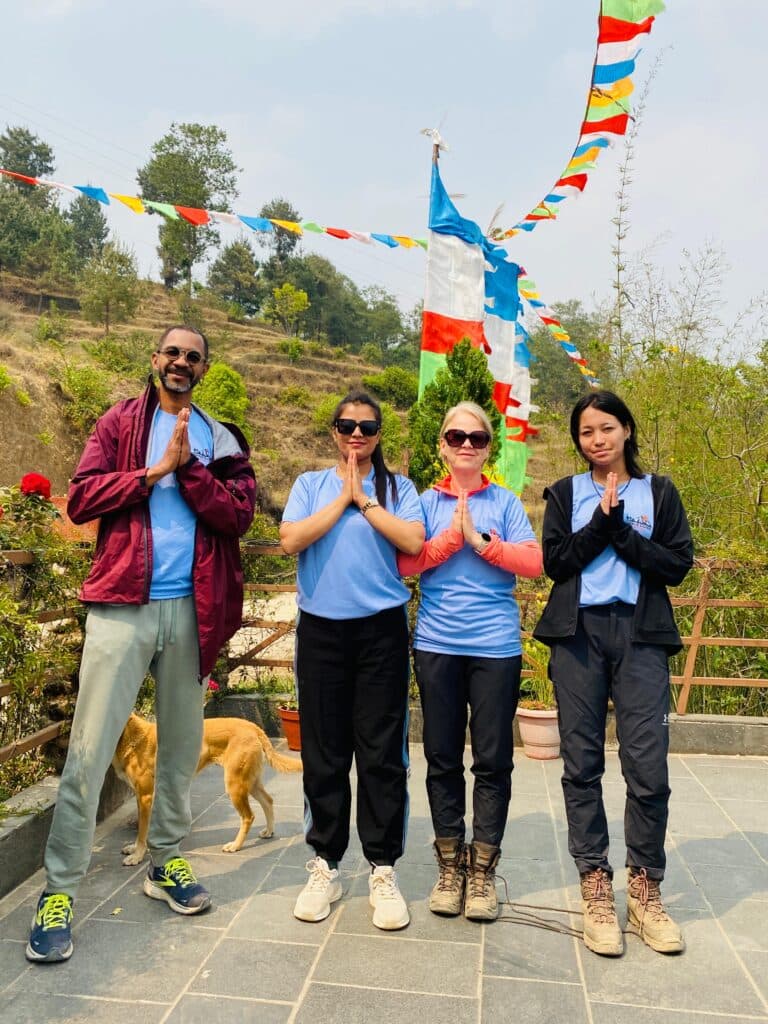
For many foreign travellers, Nepal becomes much more than a destination to visit. It becomes a place where they feel welcome, comfortable, and connected. From the moment they arrive, they may experience something simple yet meaningful: a smile, a warm “Namaste,” a helping hand, or a sincere “Dhanyabad” after a small act of kindness.
Whether you are walking through the lively streets of Kathmandu, exploring traditional villages, trekking through the Himalayas, or enjoying a quiet moment in the countryside, the warmth of Nepali people can make you feel at home, even thousands of miles away from your own country.
This is one of the reasons Nepal holds a special place in the hearts of international travellers. Its mountains may inspire the journey, but its people often become the reason to return.
1. Namaste: A Simple Greeting That Makes You Feel Welcome
In Nepal, “Namaste” is more than a greeting. It is a respectful way of acknowledging another person and expressing goodwill.
You will hear it in local markets, family homes, hotels, restaurants, trekking trails, temples, and small mountain villages. A shopkeeper may greet you with Namaste, a child may smile and wave as you pass, and a local resident may welcome you with the same warmth you would offer a guest in your own home.
For foreign visitors, these everyday interactions can create a comforting sense of belonging. Even if you do not speak Nepali, a friendly greeting and a genuine smile can bridge the language gap.
Learning a few local words can make your experience even more meaningful:
- Namaste: Hello or a respectful greeting.
- Dhanyabad: Thank you.
- Mitho chha: It is delicious.
- Ramro chha: It is good or beautiful.
- Sanchai hunuhunchha?: How are you? (A respectful form.)
You do not need to speak fluent Nepali to connect with local people. Sometimes, one simple word is enough to begin a memorable conversation.
2. Nepali Hospitality: Treating Guests Like Family
Hospitality is an important part of Nepali culture. In many communities, welcoming guests with kindness, offering food or tea, and making visitors comfortable are valued traditions.
You may be invited to sit down for a cup of tea, offered directions when you look lost, or helped by someone who has no particular reason to expect anything in return. In rural areas, a traveller may discover that a short question about the way becomes a friendly conversation about their journey, home country, or family.
Nepali hospitality is not limited to luxury hotels or organised tours. It can be found in ordinary moments: a family welcoming a visitor, a local guide sharing stories about their village, or a teahouse owner making sure trekkers have a comfortable place to rest.
Of course, every person and experience is different. However, the tradition of welcoming guests remains an important part of what makes travelling in Nepal so memorable.
For many international visitors, these moments create a feeling that goes beyond tourism. They feel less like strangers passing through and more like guests who are genuinely welcome.
3. Always Ready to Help: The Kindness You Remember
One of the most meaningful things foreign travellers often appreciate in Nepal is the willingness of local people to help.
Imagine arriving at a busy bus station and struggling to find the right vehicle. You ask someone for directions, and they take time to explain where you need to go. Perhaps you are walking through an unfamiliar neighbourhood, trying to understand a menu, or looking for a trail entrance. A local person may stop to guide you in the right direction.
In mountain regions, this spirit of cooperation can be especially valuable. Travellers may receive advice about changing weather, trail conditions, local customs, or the best place to rest. Guides, porters, teahouse owners, drivers, and community members often play an important role in making a journey smoother and more enjoyable.
Not every encounter will be the same, and visitors should still use normal travel awareness. Yet the small acts of kindness that happen along the way often become some of the strongest memories of a trip.
A beautiful mountain view may last a few minutes in a photograph. The memory of someone helping you when you needed it can stay with you for years.
4. From Kathmandu to Himalayan Villages: A Feeling of Belonging
Nepal offers an extraordinary variety of experiences, from historic cities and sacred sites to green hills, traditional settlements, and high Himalayan trails.
In Kathmandu, travellers can discover ancient temples, colourful markets, traditional courtyards, and centuries-old cultural traditions. In places such as Bhaktapur and Patan, the architecture and local craftsmanship offer a glimpse into Nepal's rich artistic heritage.
Beyond the cities, the atmosphere changes. Hill villages and mountain communities introduce visitors to quieter rhythms of life, where conversations may happen over a cup of tea and the surrounding landscape becomes part of everyday living.
On trekking routes in the Everest and Annapurna regions, travellers often develop connections with their guides, porters, lodge owners, and fellow hikers. Sharing meals, discussing life on the trail, and experiencing the challenges of a journey together can create friendships that continue long after the trek ends.
For many visitors, these connections help transform Nepal from a place on a travel itinerary into a place that feels familiar, personal, and meaningful.
5. Dhanyabad: Gratitude That Connects People
“Dhanyabad” means “thank you” in Nepali. It is a small word, but it reflects an important part of respectful travel: recognising the kindness and effort of others.
Whether someone helps you carry a bag, explains a route, serves you a meal, or shares local knowledge, expressing gratitude can make the interaction more personal.
In return, you may receive another smile, a friendly “You are welcome,” or a gesture that makes you feel even more connected to the place.
Travelling is not only about what we see. It is also about how we interact with the people who make our experiences possible.
Learning local expressions, respecting customs, asking permission before photographing people, and showing appreciation for local traditions are simple ways to make travel more rewarding for both visitors and their hosts.
6. Nepal's Culture Makes Foreign Travellers Feel Connected
Nepal is home to many ethnic communities, languages, festivals, religious traditions, and ways of life. Hindu and Buddhist heritage is visible throughout the country, alongside numerous local customs and community traditions.
Visitors may witness prayer rituals at sacred sites, colourful celebrations during Dashain and Tihar, Buddhist prayer flags fluttering in the mountains, or the quiet daily routines of local communities.
These experiences offer more than sightseeing. They provide opportunities to learn about different ways of understanding family, community, spirituality, hospitality, and respect.
Travellers who approach these traditions with curiosity and consideration often gain a deeper appreciation of Nepal. They begin to understand that the country's beauty is not only found in its mountains and monuments but also in the values and stories that shape everyday life.
This cultural connection can be especially meaningful for visitors seeking more than a conventional holiday.
7. Why Foreigners Return to Nepal Again and Again
Many destinations offer unforgettable views, adventure activities, and comfortable accommodation. Nepal offers these experiences while also creating opportunities for personal connections.
A traveller may return to meet a guide who became a friend, revisit a village that welcomed them, explore another trekking route, or introduce family members to a country they have grown to love.
Some return for the mountains. Others come for meditation, cultural exploration, wildlife, pilgrimage, or adventure. Many discover that what they value most is the combination of these experiences and the relationships formed along the way.
Nepal can also encourage visitors to slow down, appreciate simple moments, and see the world from a different perspective. A shared meal, a conversation with a local family, a warm greeting on a mountain trail, or a helping hand on a difficult day can become a treasured part of the journey. That is how a destination can become something more personal: a place associated with friendship, belonging, and memories worth revisiting.
8. Is Nepal a Good Destination for Foreign Travellers?
Yes. Nepal offers a wide range of experiences for international visitors, including cultural sightseeing, Himalayan trekking, mountaineering, wildlife safaris, spiritual journeys, village stays, and adventure activities.
First-time visitors can explore Kathmandu Valley's cultural heritage, visit Pokhara's lakeside setting, discover Chitwan's wildlife, or choose a guided trek in the Himalayas. The best experience depends on your interests, available time, fitness, travel season, and budget. Travellers should also prepare appropriately for altitude, changing mountain weather, road conditions, and local travel requirements.
For a more meaningful experience, spend time with local communities, learn a few Nepali words, try traditional food, and choose responsible travel services that respect local people and the environment. Nepal welcomes travellers from around the world, and thoughtful preparation helps visitors enjoy the country with greater confidence and appreciation.
9. Nepal Is Not Just Somewhere You Visit; It Is Somewhere You Remember
There is a difference between visiting a country and feeling connected to it.
A destination may offer impressive scenery, famous attractions, and exciting activities. But a place becomes special when you remember the people who helped you, the conversations you shared, and the moments when you felt welcome without needing to explain who you were or where you came from.
For many foreign travellers, Nepal offers these moments in unexpected ways. A simple Namaste, a heartfelt Dhanyabad, a cup of tea shared with a stranger, or a local person taking time to help can leave a lasting impression.
These small experiences remind us that kindness does not need a common language, and human connection is not limited by nationality.
Perhaps this is why so many people leave Nepal with photographs of the Himalayas but memories of its people.
And perhaps this is why, for some travellers, returning to Nepal feels less like planning another holiday and more like going back to a second home.
FAQs
Why does Nepal feel like a second home to foreigners?
Nepal can feel like a second home because of its welcoming culture, friendly everyday interactions, traditional hospitality, and opportunities to connect with local communities. Many visitors value the personal relationships they develop during their stay.
Are Nepali people friendly to tourists?
Many visitors experience warmth and helpfulness from Nepali people, particularly through everyday greetings, directions, cultural exchanges, and hospitality. Experiences vary, so travellers should remain respectful and use normal travel awareness.
What does Namaste mean in Nepal?
Namaste is a respectful Nepali greeting used to say hello and acknowledge another person. It is widely used in daily life and is associated with respect and goodwill.
How do you say thank you in Nepali?
“Dhanyabad” is the common Nepali expression for “thank you.” Using it when interacting with local people is a simple way to show appreciation.
What makes Nepal different from other travel destinations?
Nepal combines Himalayan landscapes, cultural heritage, spiritual traditions, outdoor adventures, and opportunities for meaningful interactions with local communities. For many visitors, the human connections are as memorable as the scenery.
Is Nepal suitable for first-time international travellers?
Yes. Nepal offers cultural tours, guided sightseeing, wildlife experiences, and trekking options for different interests and experience levels. Choosing suitable activities, preparing for local conditions, and arranging reliable travel support can help make a first visit more comfortable.
What can foreigners do to experience authentic Nepali hospitality?
Visitors can explore local markets and villages, enjoy traditional meals, learn basic Nepali greetings, support local businesses, and consider community-based experiences. Respecting local customs and approaching people with genuine curiosity can make these interactions more rewarding.
Conclusion: Come as a Traveller, Leave with a Connection
Nepal is a country of extraordinary contrasts: towering mountains and peaceful valleys, ancient traditions and modern city life, challenging adventures and quiet moments of reflection. Yet one of its most memorable qualities may be something that cannot be measured in altitude, distance, or sightseeing hours: the feeling of being welcomed.
A Namaste from a stranger, a Dhanyabad exchanged with a smile, or a helping hand when you need it can turn an ordinary travel moment into a lasting memory.
You may arrive in Nepal to see Mount Everest, explore ancient temples, walk through traditional villages, or experience the thrill of Himalayan trekking. But you may leave with something you never expected — a sense of connection to a country and its people.
Nepal may not be where you were born, but it can become a place where your heart feels at home.
And sometimes, that is what makes a journey truly unforgettable.
Planning your journey to Nepal? Discover its cultural heritage, local communities, Himalayan landscapes, and welcoming traditions through thoughtfully planned travel experiences that bring you closer to the heart of the country.