





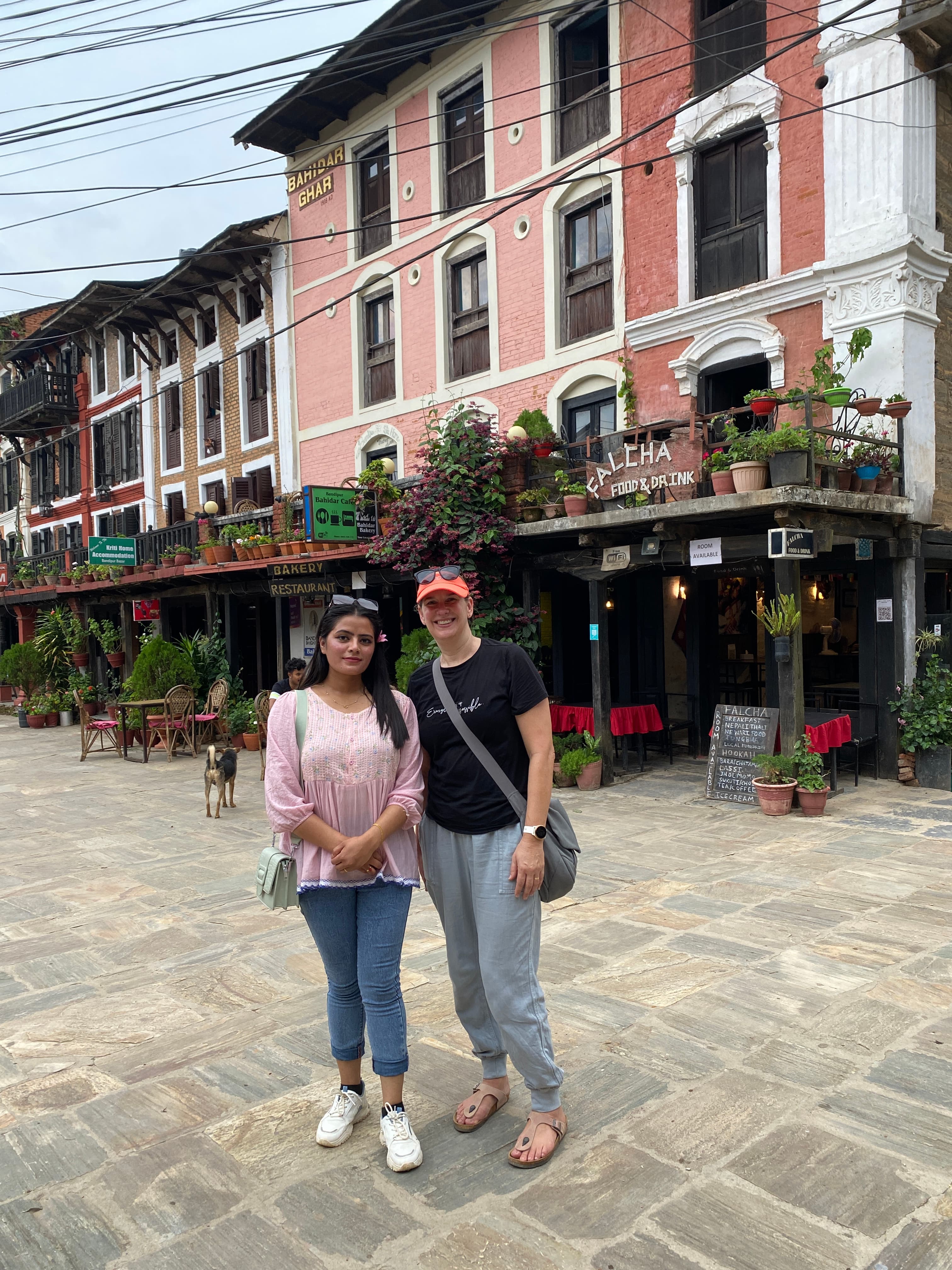
A Day in the Life of a Female Trekking Guide in Nepal
Trekking in Nepal is often seen through the eyes of travelers. People imagine walking through beautiful forests, crossing suspension bridges, staying in mountain tea houses and watching the sunrise over the Himalayas.
But behind every successful trekking journey, there is often a great deal of planning, responsibility and hard work.
For a trekking guide, the day begins long before the trekkers start walking and often continues after everyone has reached the next destination.
A female trekking guide in Nepal is not simply someone who walks with travelers and shows them the correct trail. She is a guide, organizer, problem-solver, communicator and an important source of support throughout the journey.
From checking the weather and monitoring the health of trekkers to arranging accommodation and helping travelers feel comfortable in unfamiliar mountain environments, a female guide has many responsibilities.
For many women travelers, trekking with a female guide can also create an additional sense of comfort and confidence. A female guide may understand certain concerns that female travelers have and can provide support throughout the journey while still maintaining the professionalism and responsibility required of an experienced trekking guide.
So, what is life really like for a female trekking guide in Nepal?
This article takes you through a typical day and provides a closer look at the people, responsibilities and hard work behind a trekking journey in the Himalayas.
Early Morning: The Day Begins Before the Trek Starts
A trekking day often begins early in the morning.
Depending on the trekking route, the guide may wake up before the trekkers to check the weather, prepare for the day's journey and think about the route ahead.
In the mountains, the weather can play an important role in daily trekking plans. Clear skies in the morning can sometimes change into clouds, rain or strong winds later in the day.
Before leaving the tea house, a guide may consider factors such as:
- The weather conditions
- The distance planned for the day
- The altitude gain
- Trail conditions
- The health and energy level of the trekkers
- Possible changes to the itinerary
The guide also needs to make sure that everyone understands the plan for the day.
For first-time trekkers, this can be particularly helpful. Knowing approximately how long they will walk, where they will stop and what conditions to expect can make the day feel more manageable.
Checking on the Trekkers
Before starting the day's trek, an experienced guide also checks how the travelers are feeling.
This becomes especially important during high-altitude treks.
A trekker may have experienced a headache, poor sleep, loss of appetite or unusual tiredness during the night. These can sometimes be related to altitude and should not be ignored.
The guide may ask simple questions such as:
· How did you sleep?
· Do you have a headache?
· Are you feeling tired or unwell?
· Have you been eating and drinking enough water?
These conversations may seem simple, but they can be important for understanding how each person is adapting to the trek.
A good guide pays attention not only to what trekkers say but also to how they look and behave during the journey.
Breakfast: Preparing the Body for the Day Ahead
Breakfast is an important part of daily life during a trek in Nepal. Before walking for several hours through mountain trails, trekkers need enough food and water to prepare their bodies for the physical activity ahead. The morning meal may seem like a simple part of the trekking routine, but it can have a significant effect on a trekker's energy level, comfort and overall performance throughout the day.
A female trekking guide may help travelers understand the breakfast options available at the tea house and choose meals that are suitable for the day's trekking plan. The food available can vary depending on the trekking region, altitude and location. Common breakfast options may include porridge, eggs, Tibetan bread, chapati, toast, pancakes and potatoes, along with tea or coffee. In more remote and higher-altitude areas, the variety of food may become more limited, so guides can also help trekkers understand what is practically available.
A guide may encourage trekkers not to skip breakfast, especially before a long walking day. First-time trekkers can sometimes become excited about starting the day's journey and forget simple but important things such as eating properly, drinking enough water or filling their water bottles before leaving the tea house. A female guide helps bring structure to the morning and makes sure travelers are prepared before they begin walking.
Breakfast is also a good time for the guide to observe how everyone is feeling. During longer or high-altitude treks, a guide may notice whether someone has lost their appetite, appears unusually tired or does not seem to be feeling well. These small observations can sometimes be important for understanding how a trekker is adapting to the physical demands of the journey. In this way, breakfast is not only about eating; it is also an important part of preparing physically and mentally for another day in the Himalayas.
Starting the Trek: Finding the Right Pace
Once breakfast is finished and everyone has packed their daypacks, the trekking day begins. For travelers, this is often the most exciting moment of the morning. The trail is ahead, the mountains may be visible in the distance and a new destination is waiting at the end of the day. However, for a female trekking guide, one of the first responsibilities is to make sure that everyone begins the day at a suitable and sustainable pace.
Finding the right pace is particularly important because every traveler has a different level of fitness, trekking experience and ability to adapt to mountain conditions. Some people naturally walk faster, while others prefer a slower and more consistent pace. A trekker may feel energetic at the beginning of the day but become tired after several hours of walking, particularly on steep uphill sections or at higher elevations.
A good trekking guide understands that the purpose of the trek is not to walk as quickly as possible. Trekking in Nepal is not a race, and reaching the destination first is not the most important goal. The aim is to help travelers walk comfortably, conserve their energy and arrive safely at the next destination.
On uphill sections, a female trekking guide may encourage travelers to take smaller and slower steps rather than rushing. Maintaining a steady pace can help prevent unnecessary exhaustion. On downhill sections, she may remind trekkers to watch their footing, take care of their knees and use trekking poles correctly when necessary. She also needs to make sure that the group does not become separated, particularly on busy trails or sections where several routes and paths may be confusing.
Managing the pace of a group requires patience and good judgment. A guide needs to understand when to encourage a trekker to continue, when to slow down and when to take a break. These decisions may appear simple from the outside, but they are an important part of creating a comfortable and enjoyable trekking experience.
More Than Just Showing the Way
One of the biggest misunderstandings about trekking guides is the belief that their only responsibility is to show travelers the correct route. While navigation is certainly an important part of the job, the role of a trekking guide involves much more than walking in front of a group.
Throughout the day, a female trekking guide may explain the route and daily plan, help trekkers maintain a suitable pace, monitor their general well-being and provide practical assistance whenever necessary. She may communicate with tea house owners, help organize meals and accommodation and explain local culture, traditions, villages and mountain environments to the travelers.
During high-altitude trekking, the guide also needs to pay close attention to how trekkers are feeling. She may notice changes in energy levels, appetite or behavior and encourage travelers to communicate openly if they are experiencing discomfort. The guide's experience can be particularly valuable for first-time trekkers who may not understand what is normal tiredness and when they should take their physical condition more seriously.
In many situations, a guide also becomes a source of reassurance. For someone visiting Nepal and trekking in the Himalayas for the first time, even small changes to the plan can feel stressful. A delayed meal, unexpected rain, uncertainty about accommodation or a change in the route may be unfamiliar to a traveler. An experienced female trekking guide can help explain the situation calmly and find practical solutions.
This combination of responsibility, knowledge and communication is what makes professional trekking guidance so valuable. A guide does not simply lead travelers from one village to another. She helps create an organized and supportive environment throughout the journey.
Walking Through the Himalayas: Knowledge of the Trail Matters
Nepal's trekking routes are incredibly diverse, and the experience can change significantly from one part of the trail to another. A single day may include walking through forests, crossing rivers, climbing stone staircases, passing through traditional villages and crossing suspension bridges before reaching higher mountain landscapes.
For this reason, a trekking guide needs to understand more than simply the direction of the trail. She should also have practical knowledge about the condition’s travelers are likely to experience along the way.
An experienced female trekking guide may know which section of the trail is particularly steep, where the best places are for a short rest, where travelers can refill water and which parts of the route require additional attention. She may also understand how weather conditions can affect certain areas and when it is better to slow down or adjust the plan.
This knowledge can make a significant difference, especially for first-time trekkers. Instead of allowing travelers to be surprised by a long uphill climb or difficult section, the guide can prepare them in advance. Simply knowing what to expect can help trekkers manage their energy and approach challenging sections with greater confidence.
The journey is also about much more than physical walking. A knowledgeable female guide can explain the surrounding environment, including local villages, mountain communities, monasteries, religious sites and cultural traditions. For many travelers, these conversations add a deeper meaning to the trekking experience. The Himalayas are not only about mountains; they are also home to diverse communities, cultures and ways of life.
Taking Breaks: Rest Is Part of the Journey
Many first-time trekkers believe that stopping frequently means they are not fit enough or are slowing down the group. However, regular and sensible breaks are an important part of a successful trekking day.
A female trekking guide uses her experience to understand when the group should stop for water, rest, photographs or food. The length and frequency of breaks can depend on many factors, including the weather, altitude, steepness of the trail and physical condition of the trekkers.
During a break, the guide may ask whether everyone is drinking enough water or whether anyone is experiencing discomfort. These small moments are particularly important during high-altitude trekking, where paying attention to how travelers feel can make a significant difference.
The guide also needs to balance rest with the practical need to reach the next destination on time. Arriving too late may create difficulties with accommodation, changing weather or limited daylight. This requires experience and good judgment because every day and every group can be different.
Taking breaks should not be seen as a weakness. Trekking is about managing your energy over several hours and, in many cases, over several consecutive days. A well-timed rest can help trekkers recover physically, enjoy the scenery and continue walking with renewed energy.
Lunchtime: A Short Break in the Middle of the Mountains
After several hours of walking, lunchtime is often one of the most welcome moments of the trekking day. Trekkers usually stop at a tea house, village or suitable resting point where they can eat, relax and prepare for the next part of the journey.
The female trekking guide may help travelers understand the menu and choose meals that are suitable for the conditions and available options. Food choices can vary according to the region and altitude, and in remote mountain areas, the menu may be simpler than what travelers are used to in cities.
Many trekkers enjoy Dal Bhat, Nepal's traditional meal that generally includes rice, lentil soup and vegetables. It is a popular choice because it can provide energy for long trekking days. Other available options may include noodles, soups, potatoes, pasta, bread and other simple meals.
However, lunchtime is not always simply a period of rest for the guide. She may use the break to check on the condition of the trekkers, discuss the route ahead or communicate with the next accommodation. If there are any changes to the plan, the guide may need to make arrangements while the travelers are eating.
These behind-the-scenes responsibilities are often not noticed by travelers. By the time the group finishes lunch and prepares to continue walking, the guide may already be thinking about the remaining distance, the weather and the next destination
Supporting Female Travelers on the Trail
One of the reasons some travelers choose to trek with a female guide is the additional level of comfort and understanding that another woman may provide. Every traveler has different preferences, and not every woman specifically requires a female guide. However, some female travelers feel more comfortable discussing personal concerns with someone who may better understand their experiences and practical needs.
A female trekking guide can provide support related to privacy, accommodation arrangements, personal hygiene, clothing and other practical concerns that may arise during a multi-day trek. For women who are concerned about managing menstruation while trekking, limited shower facilities or shared accommodation, having an experienced female guide can make it easier to ask questions and discuss these issues openly.
For solo female travelers, trekking in an unfamiliar country and mountain environment can sometimes feel intimidating before the journey begins. Having an experienced female guide can provide reassurance and help the traveler feel more confident throughout the trek.
This does not mean that a female guide is only suitable for female travelers. Female trekking guides can work with solo travelers, couples, families and groups. However, for women who specifically prefer female support, the experience can provide an additional sense of familiarity and comfort.
The journey can become more than simply following a trekking route. It can be a shared experience with someone who understands both the practical realities of trekking in Nepal and the concerns that some women may have while traveling.
Afternoon Trekking: When Tiredness Begins to Show
For many trekkers, the afternoon can be the most challenging part of the day. The excitement of starting the morning may have passed, the legs are becoming tired and the final destination may still feel far away.
This is often when the experience and encouragement of a trekking guide become especially valuable.
A good female trekking guide understands that trekking is not only a physical challenge. It is also a mental journey. A traveler may be physically capable of continuing but may feel discouraged after several hours of walking.
Sometimes, a tired trekker simply needs reassurance that they are doing well and that the next destination is within reach. Other times, the guide may recognize that the person needs to slow down, take a short break or adjust their walking pace.
The ability to understand different personalities is an important part of guiding. Some travelers may need encouragement, while others prefer quiet time to focus on their walking. A guide gradually learns how the people in her group respond to challenges and provides support accordingly.
These moments may not appear in the beautiful photographs taken during a trek, but they are often among the most important parts of the journey.
Arriving at the Tea House: The Work Does Not End
After a long day of walking, reaching the tea house can feel like the end of the day for the trekkers. They may want to remove their trekking boots, rest, take photographs or enjoy a warm drink.
For the trekking guide, however, there are often still several responsibilities to manage.
She may need to confirm rooms for the travelers, arrange meals, check available charging facilities and discuss the plan for the following day. Depending on the location, travelers may also ask about hot showers, Wi-Fi or other available services.
During busy trekking seasons, accommodation can become limited. Experienced guides understand the importance of planning ahead and maintaining communication with tea house owners whenever possible.
From a traveler's perspective, arriving at a tea house may seem simple. However, behind the scenes, the guide may have already made several arrangements to ensure that the group has a suitable and comfortable place to stay.
This organizational work is an important part of the guide's daily responsibilities and contributes significantly to a smooth trekking experience.
Evening: Checking Health and Planning Tomorrow
The evening is another important part of a trekking guide's daily routine, particularly during high-altitude journeys.
After dinner, the female trekking guide may check again on how everyone is feeling. A trekker who felt perfectly fine while walking during the day may experience discomfort later in the evening.
The guide may ask about headaches, appetite, sleep, tiredness, nausea and general physical condition. These conversations can help the guide understand how each person is adapting to the trek and whether any changes may be necessary.
The evening is also a good time to discuss the following day's plan. The guide can explain the expected walking hours, trail conditions, major uphill or downhill sections and possible altitude changes. Knowing what to expect can help travelers prepare mentally and physically for the next day.
For many first-time trekkers, these conversations create a sense of structure and confidence. Rather than waking up without knowing what lies ahead, they have a better understanding of the journey they will continue the following morning.
A Female Trekking Guide Is Also a Problem-Solver
No matter how carefully a trek is planned, not every day goes exactly according to the itinerary.
Mountain weather can change unexpectedly. A trekker may become unwell. A trail may become more difficult because of rain or other conditions. Transportation can be delayed, and accommodation may sometimes be full.
In these situations, a trekking guide needs to remain calm and think clearly.
Problem-solving is one of the most important skills of an experienced female trekking guide. Travelers may only see the final solution, but they may not realize how much communication and decision-making has taken place behind the scenes.
A guide may need to contact another tea house, adjust the walking plan, communicate with local people or make changes to the route based on the situation. She may need to explain unexpected changes to the travelers and help them understand why the decision is necessary.
Every trekking day can bring something different. The ability to remain flexible and calm is therefore an important part of professional guiding.
The Physical Demands of Being a Female Trekking Guide
Being a trekking guide is physically demanding work.
Guides walk long distances, often for several consecutive days, while working in changing weather conditions and traveling across different types of terrain.
A female trekking guide may work on routes involving high altitude, steep mountain trails, long walking days and remote environments. She must remain active and focused while also paying attention to the physical condition of the travelers she is guiding.
However, guiding requires much more than physical strength.
A professional trekking guide also needs patience, communication skills, confidence, decision-making ability and a strong sense of responsibility. She may be tired after walking for hours, but she still needs to remain aware of the group, the weather, the route and any potential challenges.
This is why experience, professional training and knowledge of mountain environments are important. Trekking guides carry responsibility for much more than their own journey.
Challenging Traditional Ideas About Women in Adventure
For many years, trekking and mountain guiding have often been seen as male-dominated professions. Mountain tourism has traditionally been an industry where men were more visible as guides, porters and expedition leaders.
However, this is gradually changing.
More women in Nepal are becoming involved in tourism, trekking and adventure-related professions. Female trekking guides are gaining experience, developing professional skills and guiding travelers from different parts of the world through Nepal's beautiful mountain regions.
Their presence is helping demonstrate that women can build successful and professional careers in the adventure tourism industry.
Choosing a female guide can therefore be meaningful not only for travelers who prefer female support but also for those who want to support greater participation and employment opportunities for women in Nepal's tourism sector.
The growth of female guides is an important part of the changing face of adventure tourism in Nepal.
The Reward at the End of the Day
Despite the physical demands and responsibilities, being a trekking guide can also be deeply rewarding.
Every trekking group is different. Guides meet travelers from different countries, cultures and backgrounds. They share the mountains with people who may be seeing the Himalayas for the first time.
For many guides, one of the most rewarding experiences is seeing a traveler achieve something they once believed was impossible.
A first-time trekker may arrive feeling nervous, uncertain about their fitness or worried about completing the route. After several days of walking, that same person may become more confident, stronger and proud of what they have achieved.
The guide becomes part of that journey.
She sees the difficult moments, the tiredness, the determination and finally the sense of achievement.
For a trekking guide, these moments can be just as meaningful as reaching a beautiful mountain viewpoint.
Why Choose a Female Trekking Guide in Nepal?
Choosing a female trekking guide is a personal preference, and every traveler has different expectations.
Some travelers simply enjoy the idea of trekking with a woman who has experience and knowledge of Nepal's mountain trails. Others, particularly solo female travelers, may feel more comfortable discussing personal concerns and sharing their travel experience with another woman.
A female trekking guide can provide professional support throughout the journey, including local knowledge, cultural information, assistance with daily trekking arrangements and guidance through changing mountain conditions.
However, the most important factor when choosing any trekking guide is professionalism and experience. A good guide should have appropriate knowledge of the trekking environment, strong communication skills and the ability to provide responsible support throughout the journey.
The gender of the guide may be an important preference for some travelers, but the quality of professional guidance remains essential for everyone.
Trek with an Experienced Female Guide in Nepal
At Female Guide Holiday, we believe that every traveler should feel comfortable, confident and well supported while exploring Nepal.
We arrange trekking experiences with experienced female trekking guides for travelers who prefer female support during their journey. Our trekking arrangements can be tailored according to the traveler's destination, available time, fitness level and personal interests.
Whether you are a solo female traveler, a group of women friends, a couple or a family, trekking with the right guide can make your journey more organized, comfortable and meaningful.
From shorter trekking experiences to longer Himalayan adventures, a female trekking guide can provide much more than directions along the trail.
She walks beside travelers through changing weather and challenging terrain. She helps organize daily arrangements, provides practical support when trekkers feel tired and shares knowledge about Nepal's mountains, culture and local communities.
While travelers may see the mountains as the destination, for a trekking guide, every day is another responsibility, another journey and another opportunity to help someone experience the Himalayas.
Final Thoughts
A day in the life of a female trekking guide in Nepal is filled with movement, responsibility, planning and unexpected situations.
The day may begin early with checking the weather and understanding how the trekkers are feeling. It continues through hours of walking, guiding, communicating and supporting travelers on the trail. Even after reaching the tea house, the guide may still need to organize accommodation, meals and the plans for the following day.
Behind every successful trekking journey, there is often much more than beautiful photographs and mountain views.
There is preparation.
There is responsibility.
There is experience.
There is patience and problem-solving.
And there is a guide who helps turn an unfamiliar and sometimes challenging journey into a memorable experience.
For travelers who want to explore Nepal with professional female trekking support, traveling with a female guide can offer practical assistance as well as a meaningful connection with someone who knows and works in the Himalayan environment.
A female trekking guide does not simply show travelers where to walk.
She helps them understand the journey, manage its challenges and experience the mountains with greater confidence.
FAQs
1. What does a female trekking guide do in Nepal?
A female trekking guide does much more than lead travelers along a trekking trail. She helps manage the daily itinerary, guides travelers along the route, monitors their general well-being, assists with accommodation and meals, communicates with local communities and provides information about Nepal's culture, mountains and local lifestyle.
2. What does a typical day of a female trekking guide look like?
A typical day usually starts early with checking the weather, preparing for the route and checking how the trekkers are feeling. During the day, the guide leads the group, manages the walking pace, arranges breaks, provides information about the surroundings and assists with any unexpected situations. After reaching the tea house, she may arrange accommodation, meals and plans for the following day.
3. Do female trekking guides in Nepal speak English?
Many professional female trekking guides in Nepal speak English and can communicate with international travelers. Some guides may also speak other languages depending on their experience and training.
4. Are female trekking guides licensed in Nepal?
Professional trekking guides should have the appropriate training, qualifications and licensing required for guiding in Nepal. When booking a trekking guide, travelers should choose a reputable trekking company that can provide appropriately qualified and experienced guides.
5. Can solo female travelers hire a female trekking guide?
Yes. Solo female travelers can choose to trek with a female guide in Nepal. Having a female guide can provide additional comfort and confidence for travelers who prefer female trekking support, particularly when traveling in an unfamiliar environment.
6. Is a female trekking guide only suitable for women?
No. Female trekking guides can guide different types of travelers, including solo travelers, couples, families, mixed groups and groups of women. Choosing a female guide is mainly a personal preference based on the traveler's comfort and expectations.
7. What support can a female guide provide to female travelers?
A female guide can provide practical support with accommodation, privacy, personal hygiene, clothing concerns and other everyday situations that may arise during a multi-day trek. Some women may also feel more comfortable discussing personal concerns, such as menstruation or privacy, with another woman.
8. Can a female trekking guide help with altitude-related problems?
An experienced trekking guide can monitor trekkers for signs of altitude-related problems and advise when a trekker should rest, stop ascending or descend. However, a trekking guide is not a medical professional, so serious symptoms require appropriate medical attention and emergency assistance when necessary.
9. How does a female guide manage the pace of a trekking group?
A good guide considers the fitness level, experience and condition of each trekker. She may slow the group down on steep or high-altitude sections, recommend regular breaks and encourage travelers to maintain a steady pace rather than walking too quickly.
10. Does a trekking guide arrange accommodation?
Yes. Depending on the trekking package, the guide or trekking company generally helps arrange tea house or lodge accommodation along the trekking route. During busy seasons, planning accommodation in advance can be particularly important.
11. Does a female trekking guide carry the traveler's luggage?
This depends on the trekking arrangement. Guides generally focus on leading and supporting the group, while porters may be hired to carry the main trekking luggage. Travelers normally carry a smaller daypack with essential personal items.
12. Can I ask my female guide questions about Nepalese culture?
Yes. One of the benefits of trekking with a local guide is the opportunity to learn about Nepal's culture, traditions, religion, villages, food and mountain communities. A knowledgeable guide can provide local context that travelers may not discover by trekking independently.
13. What happens if the weather changes during the trek?
Mountain weather can change quickly. An experienced guide monitors the conditions and may adjust the walking pace, rest stops or itinerary when necessary. If conditions become unsafe, the guide and trekking company may recommend changing the plan for the safety of the travelers.
14. What happens if I become sick during a trek?
If you become unwell, inform your guide immediately. The guide can assess the situation, help arrange rest or appropriate assistance and communicate with the trekking company or local services when necessary. Depending on the severity of the situation, the itinerary may need to be changed or you may need to descend.
15. Does a female trekking guide stay with trekkers throughout the trek?
For a guided trekking package, the guide generally accompanies the group throughout the scheduled trekking days. The exact arrangements can depend on the trekking itinerary, accommodation and services included in the package.
16. Can I request a female guide for Everest Base Camp or other high-altitude treks?
Yes, travelers can request a female trekking guide for suitable trekking routes, including high-altitude destinations. Guide availability depends on the travel dates, route, group size and the guide's experience and availability for that particular trek.
17. How physically demanding is the job of a female trekking guide?
Trekking guiding is physically demanding. Guides may walk for several hours each day, often for multiple consecutive days, while dealing with steep trails, changing weather and high-altitude environments. In addition to physical fitness, guides need patience, communication skills, local knowledge and strong decision-making abilities.
18. Why are female trekking guides important in Nepal's tourism industry?
Female trekking guides are helping create more opportunities for women in Nepal's tourism and adventure industry. Their participation challenges traditional ideas about women working in mountain tourism and provides travelers with more choice when selecting professional trekking support.
19. How do I choose a good female trekking guide in Nepal?
Look for a guide with appropriate qualifications, trekking experience, good communication skills and knowledge of the specific trekking region you plan to visit. Booking through a reputable trekking company can also help ensure that the guide and trekking arrangements are professionally managed.
20. How can I book a trek with a female trekking guide in Nepal?
You can contact Female Guide Holiday with your preferred trekking destination, travel dates, group size and trekking experience. The company can help match your trip with an available female trekking guide and arrange the other services required for your trek.
For many travelers, the memories of Nepal will not only include the Himalayan landscapes they saw. They will also include the people who walked beside them and helped make the journey possible.